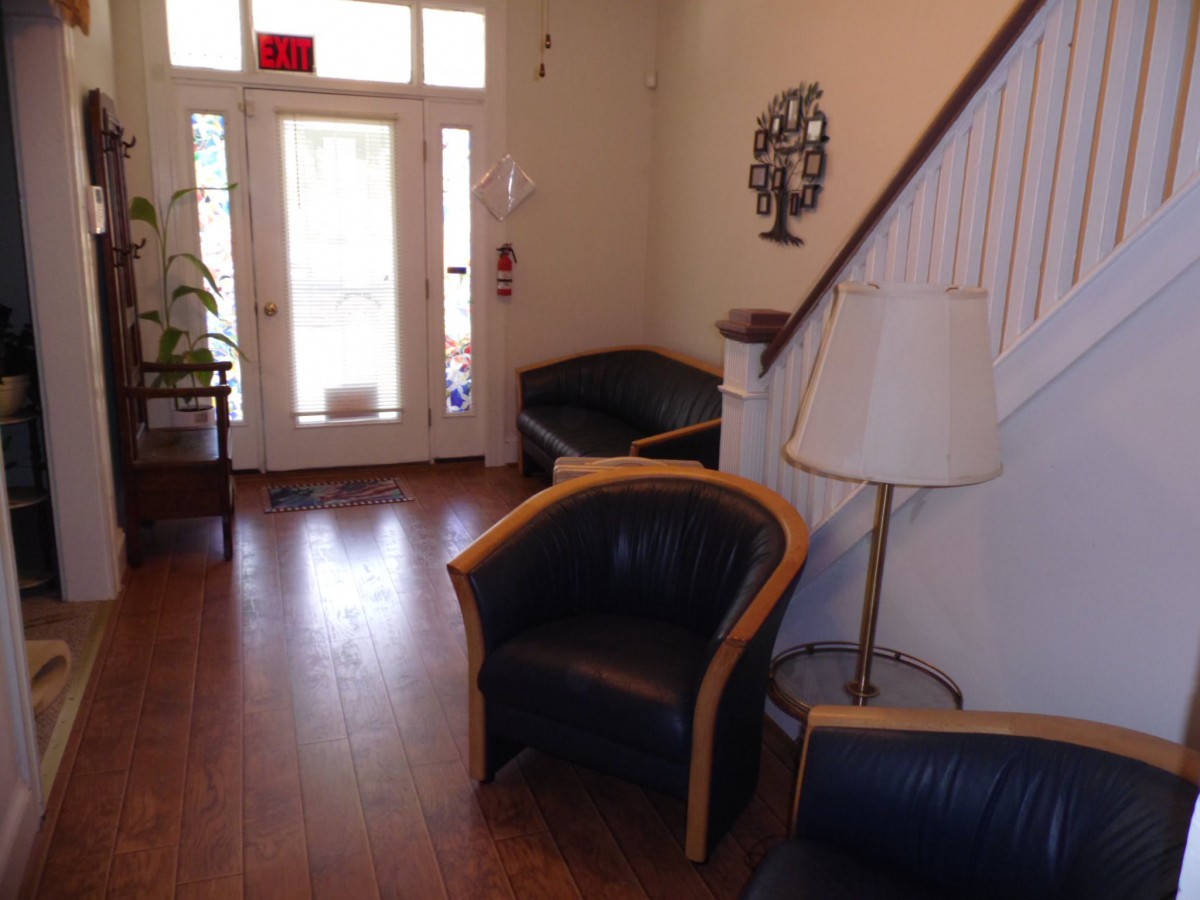
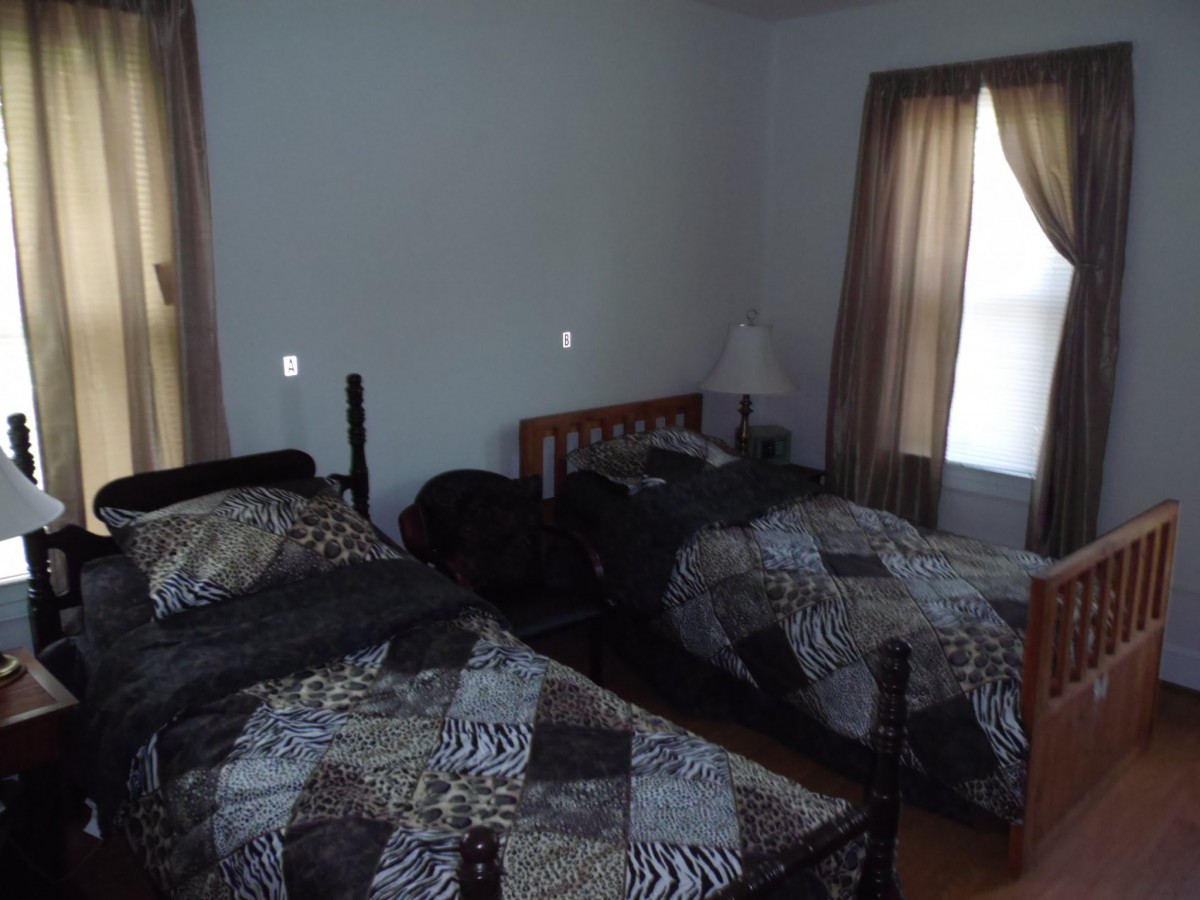
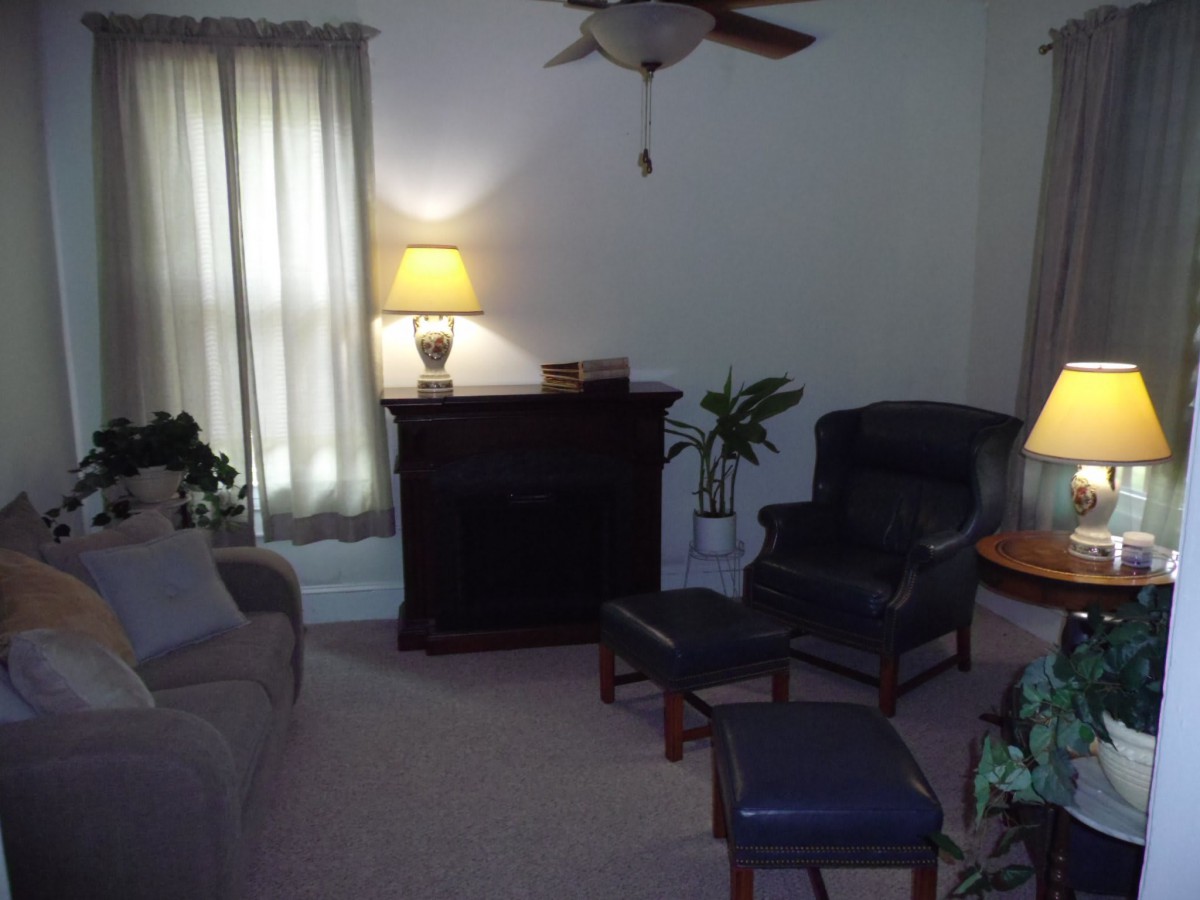
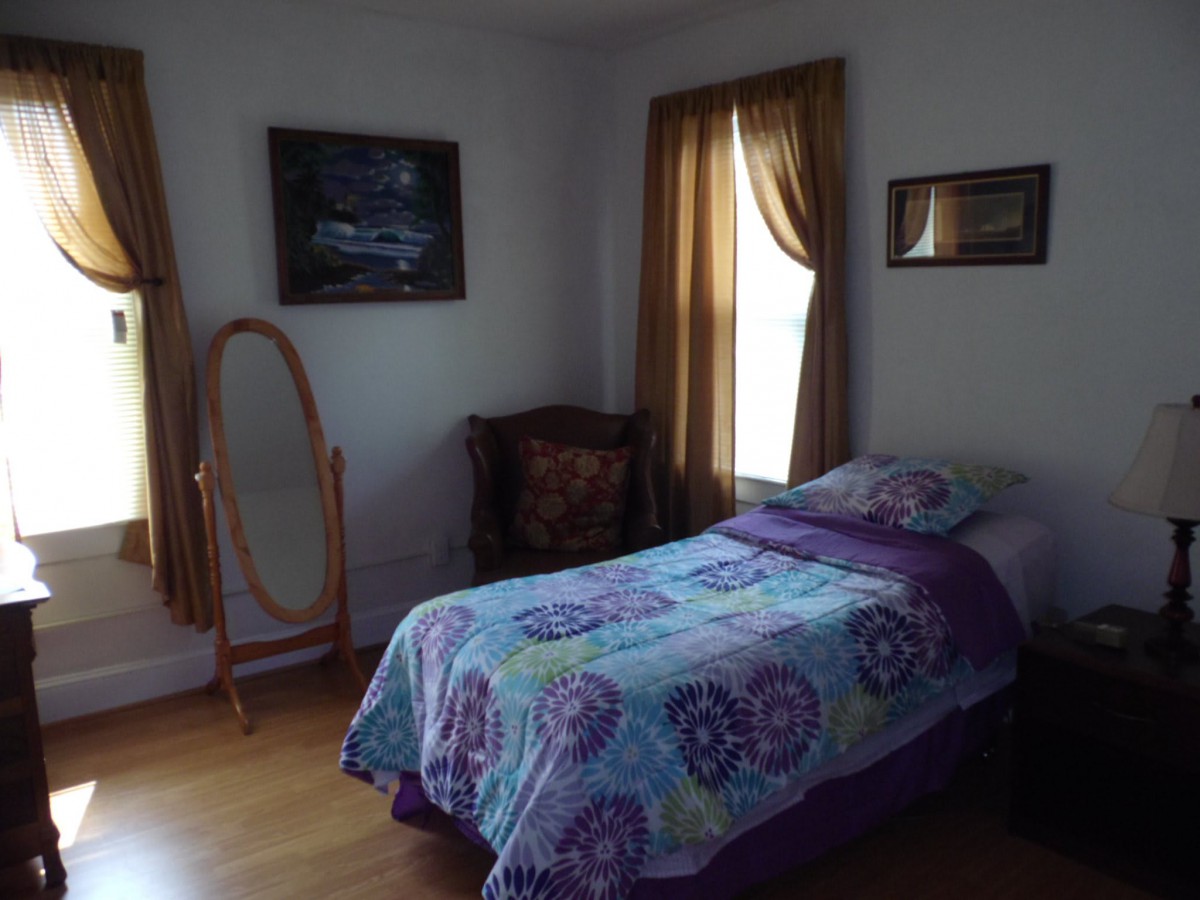
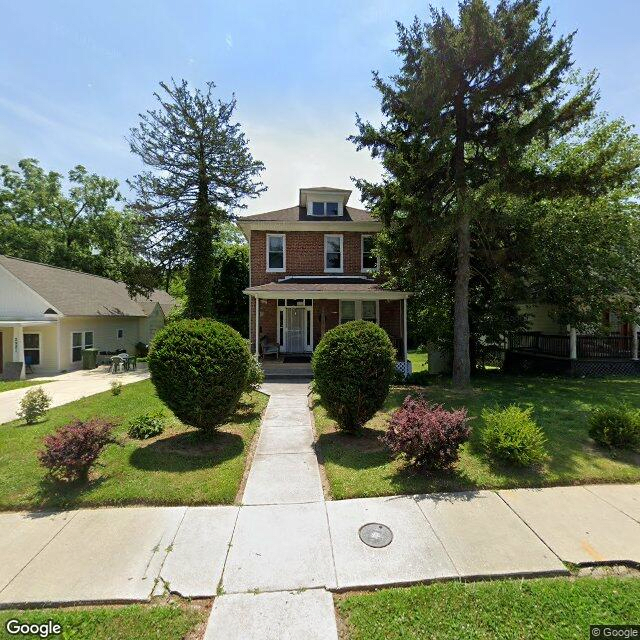
Adal in Baltimore, MD

Save

Adal in Baltimore, MD

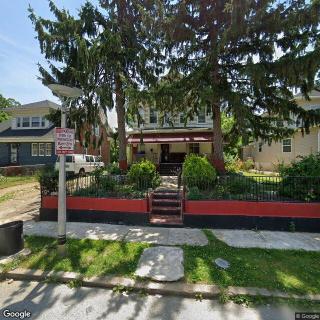
2923 Woodland Avenue, Baltimore, MD 21215

For more information about senior living options: (844) 490-3973

4 from 1 review
Assisted Living Board and Care Home Memory Care

Adal Costs & Pricing

Adal offers competitive pricing for its room types compared to both Baltimore city and the broader Maryland state averages. For a semi-private room, Adal's cost of $2,200 is significantly lower than the $3,116 charged in Baltimore and the state average of $3,545. Similarly, the price for a one-bedroom option at Adal is set at $2,500, which again undercuts both Baltimore city's rate of $3,113 and Maryland's average of $3,904. The private room at Adal matches the one-bedroom price at $2,500 while remaining considerably more affordable than Baltimore's average of $3,729 and Maryland's higher figure of $4,112. Overall, Adal provides an attractive alternative for those seeking quality accommodations without the hefty price tags often found in nearby areas.

Floor plansAdalBaltimore cityMaryland
Semi-Private$2,200$3,116$3,545
1 Bedroom$2,500$3,113$3,904
Private$2,500$3,729$4,112

Overall Review of Adal

Pros

  • pro Her mother is doing very well since moving here.
  • pro She is quite happy.
  • pro She enjoys the food and socializing with the residents there.
  • pro It is close and convenient, and it is extremely clean and smells good.
  • pro The staff members are friendly and caring.
  • pro The property is highly recommended.

Review

Adal in Baltimore is best suited for seniors who value a warm, low-key environment where cleanliness, good meals, and daily social interaction are the top priorities, and where family members want a convenient, nearby option for frequent visits. With a 4-star rating based on a single review, it signals a strong fit for residents who flourish in a well-maintained setting with approachable staff rather than a facility chasing high-level clinical specialization. For families prioritizing robust medical oversight, dementia care, or highly structured therapy programs, alternatives that emphasize those services should be explored.

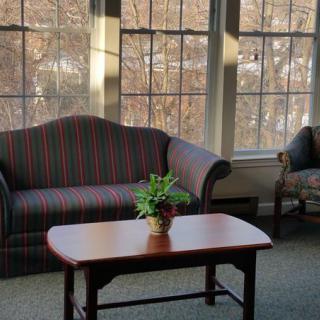
The core strengths here are tangible and consistently attractive. The facility lives up to its promise of a clean, welcoming atmosphere - cleanliness that translates into confidence about daily living and hygiene. The space also smells fresh in a way that communicates attention to detail and resident comfort. Proximity to family members is a practical, recurring advantage, reducing the stress of long commutes and enabling regular, meaningful visits. That practical accessibility often becomes a deciding factor for caregivers balancing work, travel, and caregiving duties.

Staff dynamics emerge as a genuine differentiator. The review highlights friendly, caring personnel, which matters deeply for daily reassurance and timely assistance. When staff come across as approachable and attentive, residents tend to exhibit better mood, smoother routines, and fewer safety concerns. In a setting where social life matters - where getting to know neighbors and participating in activities can define the daily experience - having dependable, personable caregivers can offset some limitations elsewhere, such as moderate activity variety or resource constraints that accompany smaller communities.

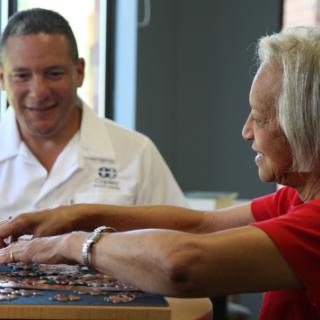
Food quality and social opportunities round out the package. The appreciation of meals signals not just nutrition but enjoyment and dignity in daily life, a key driver of overall well-being for many seniors. The resident's engagement with peers - socializing with other residents - helps combat isolation, preserve routines, and sustain purpose. In practical terms, these elements often translate into higher appetite, steadier energy, and a more positive day-to-day experience, which in turn reduces calls for medical or urgent-care interventions that sometimes arise from disengagement or loneliness.

No explicit drawbacks are documented in the available review, but a cautious reader should acknowledge the limits of a single data point. The absence of reported concerns leaves questions about medical oversight, memory-care capabilities, and the breadth of activity programming unaddressed. For families with a relative who needs intensive clinical management, structured rehab, or dementia-specific support, alternatives with larger clinical teams or dedicated memory-care wings are worth evaluating. Similarly, if budget sensitivity or a desire for a broader campus experience matters, other communities may offer different value propositions.

In practice, Adal's strengths - exceptional cleanliness, a welcoming environment, responsive staff, good meals, and meaningful social opportunities - can fully offset potential gaps for residents whose needs align with what a smaller, community-focused setup provides. Families should still verify a few practical details during a visit: daily routines, medication assistance processes, safety checks, transportation for appointments or outings, and how the community handles evenings and weekends. If those answers feel solid and the resident thrives on social connection and consistent human warmth, Adal becomes a compelling, well-rounded choice. For those with higher care demands or tighter budget constraints, consider parallel options to ensure the match is exact before committing.

Features

Housing

  • 4 resident community capacity 4 resident community capacity

Types of Care

  • Assisted Living Assisted LivingAssisted living facilities provide crucial support and care for seniors who may need help with daily tasks such as medication management, bathing, and meal preparation. These communities offer a safe and comfortable environment where seniors can maintain their independence while receiving the assistance they need to thrive in their golden years.
  • Board and Care Home Board and Care HomeBoard and care homes provide a smaller, more intimate setting for seniors who require assistance with daily tasks but do not need the level of care offered by a nursing home. They offer personalized care, meals, and social activities in a homelike environment, ensuring that seniors receive individualized attention and support in their golden years.
  • Memory Care Memory CareMemory care is crucial for seniors as it provides specialized support and services for individuals with dementia or Alzheimer's disease. These programs offer a safe and secure environment where residents receive personalized care, cognitive stimulation, and help with daily activities. Memory care helps seniors maintain their independence, quality of life, and dignity while also providing peace of mind for their families.

Amenities

  • Activities off-site Activities off-siteEngaging in off-site activities is crucial for seniors to maintain social connections, stay active, and stimulate their minds. It promotes overall well-being and helps combat feelings of isolation and loneliness.
  • Activities on-site Activities on-siteActivities on-site are important for seniors because they provide opportunities for socialization, mental stimulation, physical activity, and overall well-being. Engaging in activities can help seniors stay active, maintain their independence, and improve their quality of life.
  • Air-conditioning Air-conditioningAir conditioning is important for seniors as they are more vulnerable to heat-related illnesses and may have underlying health conditions that make it difficult for them to regulate their body temperature. It helps to keep them comfortable, safe, and healthy in hot weather.
  • Bath tubs Bath tubsBath tubs are important for seniors because they provide a safe and relaxing way to bathe, helping to prevent slips and falls while promoting independence and overall well-being.
  • Cable or satellite TV Cable or satellite TVCable or satellite TV is important for seniors because it provides entertainment, news, and companionship, helping to combat loneliness and boredom. It also offers a wide range of programming options tailored to different interests and preferences.
  • Devotional services off-site Devotional services off-siteDevotional services off-site are important for seniors as they provide spiritual nourishment, social engagement, and a sense of community outside of the senior living facility. This can enhance overall well-being and help combat feelings of isolation and loneliness often experienced by older adults.
  • Dining room Dining roomDining rooms are important for seniors as they provide a space for socialization, connection, and nutritious meals. They offer opportunities for residents to bond over shared meals, foster a sense of community, and promote healthy eating habits. Dining rooms also ensure that seniors have access to well-balanced meals tailored to their dietary needs and preferences.
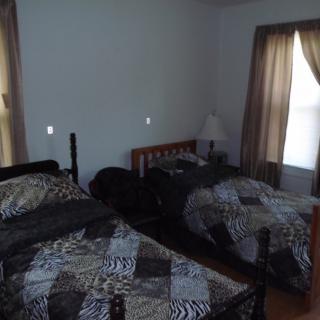
  • Fully furnished Fully furnishedFully furnished senior living communities are important for seniors because they provide convenience, comfort, and a hassle-free moving experience. Seniors can easily settle into their new living space without the stress of having to buy and move furniture. This allows them to focus on enjoying their new home and community.
  • Garden GardenGardens are important for seniors as they provide a peaceful and therapeutic environment for relaxation, physical activity, and socialization. Being in nature has been shown to reduce stress, improve mood, and promote overall well-being. Gardens also offer opportunities for seniors to engage in gardening activities, which can improve mobility, flexibility, and cognitive function. Additionally, gardens create a sense of community and connection with others who share a passion for plants and outdoor spaces.
  • Housekeeping services Housekeeping servicesHousekeeping services are important for seniors because they help maintain a clean and safe living environment, promote independence, and reduce the risk of accidents or illnesses. Additionally, having assistance with household chores can alleviate physical strain and allow seniors to focus on other aspects of their well-being.
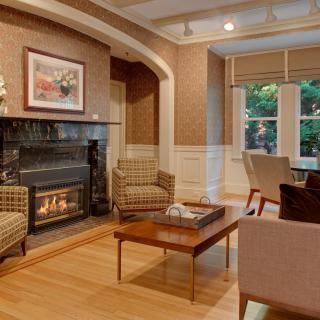
  • Indoor common areas Indoor common areasIndoor common areas are crucial for seniors as they provide a space for socialization, recreation, and community engagement, promoting overall well-being and reducing feelings of isolation and loneliness.
  • Move-in coordination Move-in coordinationMove-in coordination is important for seniors because it helps ease the transition into their new living environment. It ensures that all logistics, such as packing, organizing movers, and setting up utilities are taken care of, allowing seniors to focus on settling in and adjusting to their new home. Having a smooth move-in process can alleviate stress and anxiety, making the transition smoother and more enjoyable for seniors.
  • Outdoor common areas Outdoor common areasOutdoor common areas are important for seniors as they provide a space for socialization, physical activity, and relaxation. Being outside in nature can improve mood and overall well-being, while also encouraging movement and engagement with others. These spaces can help combat feelings of isolation and promote a sense of community among residents.
  • Outdoor space Outdoor spaceOutdoor spaces are important for seniors as they provide opportunities for physical activity, social interaction, exposure to natural light and fresh air, and a sense of connection to nature. Having access to outdoor spaces can improve overall well-being and quality of life for older adults living in senior communities.
  • Private PrivatePrivacy is important for seniors as it allows them to maintain their independence, dignity, and sense of control over their own lives. It also gives them the space and freedom to relax, reflect, and engage in activities that bring them joy and fulfillment. Creating private spaces within senior living facilities is crucial for promoting overall well-being and quality of life.
  • Respite or short term stays offered Respite or short term stays offeredRespite or short term stays provide seniors with a temporary solution when their regular caregiver is unavailable, offering them the opportunity to receive additional care and support during times of need, while also giving caregivers a chance to rest and recharge.
  • Telephone TelephoneTelephones are important for seniors as they provide a lifeline for communication with loved ones, emergency services, and healthcare providers. They offer a sense of security and independence, enabling seniors to stay connected and access assistance when needed.
  • Wi-Fi/high-speed internet available Wi-Fi/high-speed internet availableWi-Fi/high-speed internet is important for seniors to stay connected with loved ones, access online resources, and participate in virtual activities to combat feelings of loneliness and isolation. It also allows them to easily manage healthcare needs, access entertainment, and engage in lifelong learning opportunities.

Transportation

  • Baltimore-Washington International (12 miles away) Baltimore-Washington International (12 miles away)

Care Services

  • 24-hour supervision 24-hour supervision24-hour supervision is important for seniors to ensure their safety, well-being, and access to immediate assistance in case of emergencies or health issues. This constant support provides peace of mind for both seniors and their loved ones, allowing them to age in place with dignity and security.
  • Activities of daily living assistance Activities of daily living assistanceActivities of daily living assistance are important for seniors because they provide essential support with tasks such as eating, bathing, dressing, and mobility. This assistance helps seniors maintain their independence, dignity, and overall quality of life as they age.
  • Ambulatory care Ambulatory care"Ambulatory care services provide essential medical support and treatment to seniors without requiring hospitalization, allowing them to maintain their independence and quality of life while managing chronic conditions or receiving routine medical care."
  • Assistance with bathing Assistance with bathingAssistance with bathing is crucial for seniors as it helps maintain personal hygiene, prevents infections, and ensures their overall well-being and comfort. It also provides a sense of dignity and independence for seniors who may struggle with this task on their own.
  • Assistance with dressing Assistance with dressingAssistance with dressing is important for seniors because it helps maintain their independence, promotes personal hygiene, prevents accidents and injuries, and improves overall quality of life. This service ensures that seniors can continue to dress comfortably and confidently, despite any physical limitations they may have.
  • Assistance with transfers Assistance with transfersAssistance with transfers is crucial for seniors as it helps prevent falls and injuries, maintains their independence, and ensures they can safely navigate their living environment. It also provides peace of mind for both seniors and their loved ones.
  • Coordination with health care providers Coordination with health care providersCoordination with health care providers is crucial for seniors to ensure proper medical care, medication management, and overall well-being. This collaboration helps prevent overlapping treatments, track progress more effectively, and provide comprehensive support tailored to individual needs.
  • Diabetes diet Diabetes dietA diabetes diet is crucial for seniors as it helps manage blood sugar levels, reduce risks of complications, and improve overall health and well-being. By following a balanced and nutritious diet tailored to their specific needs, seniors can better control their diabetes and enhance their quality of life.
  • Diabetic care Diabetic careDiabetic care is crucial for seniors as they are more susceptible to developing diabetes due to aging and other health conditions. Proper management of diabetes can help prevent complications such as heart disease, vision loss, and nerve damage, improving the overall quality of life for seniors in senior living communities.
  • High acuity care High acuity careHigh acuity care is important for seniors because it provides specialized medical attention and support for individuals with complex medical needs. This level of care ensures that seniors receive the appropriate treatment and assistance to maintain their health and quality of life as they age.
  • Incontinence care Incontinence careIncontinence care is essential for seniors to maintain their dignity, hygiene, and overall quality of life. By addressing incontinence issues promptly and effectively, seniors can enjoy a sense of independence and comfort in their daily activities.
  • Meal preparation and service Meal preparation and serviceMeal preparation and service are crucial for seniors as they may have limited mobility or energy to cook nutritious meals. Having access to healthy and convenient food options can ensure they are getting the proper nutrition needed to maintain their overall health and well-being.
  • Medication management Medication managementMedication management is crucial for seniors to ensure they are taking the right medications at the correct dosages and times. This helps prevent adverse drug interactions, reduces the risk of medication errors, and promotes overall health and well-being. Proactive management also allows for adjustments as needed based on changing health conditions or new prescriptions.
  • Special dietary restrictions Special dietary restrictionsSpecial dietary restrictions are important for seniors because age-related changes in metabolism and health conditions can make it difficult for their bodies to process certain foods. By following a diet tailored to their specific needs, seniors can maintain their overall health and well-being, manage chronic conditions, and reduce the risk of complications such as malnutrition or food interactions with medications.
  • Transportation arrangement (medical) Transportation arrangement (medical)Transportation arrangements for medical purposes are essential for seniors as they may have difficulty driving themselves to appointments or accessing public transportation. Having reliable and safe transportation options ensures that seniors can receive timely medical care and maintain their health and well-being.
  • Transportation to doctors appointments Transportation to doctors appointmentsTransportation to doctors' appointments is crucial for seniors as it ensures they have access to necessary medical care and support for their health needs. Without reliable transportation, seniors may struggle to attend important appointments, leading to potential delays in treatment and health complications. Providing transportation services helps seniors maintain their overall well-being and quality of life.

Dining

  • Diabetes diet Diabetes dietA diabetes diet is crucial for seniors as it helps manage blood sugar levels, reduce risks of complications, and improve overall health and well-being. By following a balanced and nutritious diet tailored to their specific needs, seniors can better control their diabetes and enhance their quality of life.
  • Gluten-free Gluten-freeGluten-free options are important for seniors as they are more prone to digestive issues and dietary sensitivities. Offering gluten-free meal choices in senior living communities can help improve their overall health and well-being.
  • Low / no sodium Low / no sodiumLow/no sodium options are important for seniors because excessive sodium intake can lead to high blood pressure, heart disease, and other health issues commonly experienced by older adults. By choosing low/no sodium foods, seniors can better manage their health and reduce their risk of developing these conditions.
  • Meals provided Meals provided"Meals provided" are crucial for seniors in assisted living communities as it ensures they have access to nutritious, balanced meals without the stress of meal planning and preparation. This can help promote overall health and well-being for seniors who may have limited mobility or cognitive abilities.
  • No Sugar No SugarNo sugar diets are important for seniors because they can help prevent or manage chronic conditions such as diabetes, heart disease, and obesity. Sugar can also contribute to cognitive decline and inflammation in the body, so reducing sugar intake can lead to overall improved health and well-being in older adults.
  • Room service Room serviceRoom service is important for seniors in a senior living community because it provides convenience and allows them to have their meals delivered directly to their room. This can be especially beneficial for seniors who may have mobility issues or difficulty accessing the dining area. Room service ensures that seniors are able to receive nutritious meals without having to navigate through the facility, allowing them to maintain their independence and overall well-being.
  • Special dietary restrictions Special dietary restrictionsSpecial dietary restrictions are important for seniors because age-related changes in metabolism and health conditions can make it difficult for their bodies to process certain foods. By following a diet tailored to their specific needs, seniors can maintain their overall health and well-being, manage chronic conditions, and reduce the risk of complications such as malnutrition or food interactions with medications.

Activities

  • Activities off-site Activities off-siteEngaging in off-site activities is crucial for seniors to maintain social connections, stay active, and stimulate their minds. It promotes overall well-being and helps combat feelings of isolation and loneliness.
  • Activities on-site Activities on-siteActivities on-site are important for seniors because they provide opportunities for socialization, mental stimulation, physical activity, and overall well-being. Engaging in activities can help seniors stay active, maintain their independence, and improve their quality of life.
  • Community-sponsored activities Community-sponsored activitiesCommunity-sponsored activities are important for seniors as they provide opportunities for social interaction, mental stimulation, and physical activity. These activities can help improve overall well-being, combat loneliness and isolation, and promote a sense of belonging and purpose among older adults.
  • Devotional activities offsite Devotional activities offsiteDevotional activities offsite are important for seniors because they provide social engagement, spiritual growth, and a sense of community outside of their living environment. This can improve overall well-being, mental health, and combat feelings of isolation or loneliness.
  • Gardening club Gardening clubGardening clubs are important for seniors because they provide a sense of community, promote physical activity and mental well-being, and offer opportunities for socialization and connection with nature. Gardening can also improve cognitive function and overall quality of life for seniors.
  • Other religious services Other religious servicesOther religious services are important for seniors as they provide a sense of community, spiritual comfort, and opportunities for socializing. These services can help seniors feel connected to their faith and maintain a sense of purpose and belonging in their later years.
  • Scheduled daily activities Scheduled daily activitiesScheduled daily activities are important for seniors because they provide structure, socialization, mental stimulation, and physical activity. Engaging in regular activities can improve overall well-being and quality of life for seniors living in a community setting.
  • Visiting chaplain or priest Visiting chaplain or priestHaving a visiting chaplain or priest at a senior living community is important for seniors because it provides spiritual support, comfort, and guidance during a time of life that can be challenging and uncertain. Their presence can help seniors feel connected to their faith, find peace of mind, and cope with the emotional and mental struggles they may face in their later years.
  • Wii bowling Wii bowlingWii bowling is important for seniors as it provides a fun and engaging way to stay active, socialize, and improve hand-eye coordination. It can help prevent isolation, boost mental well-being, and promote physical fitness in a safe and accessible manner.

Description

Adal in Baltimore, MD is an assisted living community that offers board and care home as well as memory care services. With a range of amenities, residents can enjoy their stay comfortably. The community provides various activities on-site to keep residents engaged and entertained. Each room is fully furnished and equipped with air-conditioning and cable or satellite TV for added convenience. Adal also offers housekeeping services to ensure a clean and tidy environment.

Residents can take advantage of the indoor and outdoor common areas, including a beautiful garden, where they can relax and socialize with fellow residents. Move-in coordination is provided to make the transition smooth for new residents. For those who need short-term stays or respite care, Adal offers these options.

The community takes care of its residents' health needs with assistance in activities of daily living, ambulatory care, bathing, dressing, transfers, medication management, and coordination with health care providers. There are also specialized services available such as diabetic care, high acuity care, incontinence care, special dietary restrictions, and transportation arrangement for medical appointments.

Dining at Adal is catered to accommodate various dietary needs including gluten-free meals, low/no sodium options, no sugar meals, and special dietary restriction considerations. Residents have the choice between room service or dining together in the dining room.

A wide range of activities are offered to keep residents active and engaged including community-sponsored activities, devotional activities offsite, gardening club participation, religious services opportunities, scheduled daily activities, and even Wii bowling.

Conveniently located near cafes, parks, pharmacies physicians' offices restaurants dine out options transportation options places of worship hospitals makes Adal an ideal choice for those seeking accessible amenities nearby.

Nearby Places of Interest

Located in the scenic neighborhood of Baltimore, Maryland, this area offers convenient access to a variety of essential amenities for senior living. Close proximity to Sinai Hospital Of Baltimore and other medical facilities ensures quality healthcare services are easily accessible. Pharmacies such as CVS and Walgreens are also nearby for medication needs. Residents can enjoy dining options at Mt. Washington Tavern, Pepe's, and other restaurants, while cafes like Miss Shirley's Cafe offer a cozy atmosphere for socializing. Nearby parks like Lake Roland provide opportunities for outdoor recreation and relaxation. Additionally, transportation options such as Penn Station are available for easy travel. Overall, this part of Baltimore offers a well-rounded community with essential services for seniors looking to reside in a vibrant and convenient location.

Hospitals

  • Sinai Hospital Of Baltimore (0.5 miles)
  • Lifebridge Health Campus Service (2.9 miles)
  • MedStar Union Memorial Hospital (3.1 miles)
  • GBMC (3.8 miles)
  • Sheppard Pratt Health System (4 miles)
  • UMMC Midtown Campus (4.1 miles)
  • MedStar Good Samaritan Hospital (4.4 miles)

Pharmacies

  • CVS Pharmacy (0.9 miles)
  • Walgreens (1.2 miles)
  • CVS Pharmacy (1.5 miles)
  • Walgreens (1.6 miles)
  • Walgreens (1.9 miles)
  • Rite Aid (2.3 miles)
  • Seven Mile Market (2.8 miles)

Restaurants

  • Mt. Washington Tavern (1.7 miles)
  • Pepe's (2.1 miles)
  • Burger King (2.9 miles)
  • Zen West Roadside Cantina (3.3 miles)
  • McDonald's (3.5 miles)
  • Subway (3.9 miles)
  • McDonald's (4.2 miles)

Cafes

  • Miss Shirley's Cafe, Roland Park (1.9 miles)
  • Starbucks (3.3 miles)
  • Dooby's (4.3 miles)
  • Ceremony Coffee Roasters (4.4 miles)
  • Starbucks (5.6 miles)

Parks

  • Lake Roland (2.1 miles)
  • Rodgers Forge Tot Lot (3.4 miles)
  • Meadowood Regional Park (4.9 miles)
  • Rash Field (5.5 miles)
  • Federal Hill Park (5.6 miles)

Physicians

  • Dr Richard A. Adler, Belcara Health Ophthalmology (2.3 miles)
  • Scottish Rite Speech & Language Center (2.7 miles)
  • University of Maryland Rehabilitation & Orthopaedic Institute (3.1 miles)
  • Greater Baltimore Medical Center (3.8 miles)
  • University of Maryland Medical Center Midtown Professional Building (4.1 miles)
  • O'Dea Building- St Josephs Hospital (4.1 miles)
  • Dr Kelman Office (4.5 miles)

Places of Worship

  • Brown Memorial Woodbrook Presbyterian Church (3.1 miles)
  • Church of the Immaculate Conception (5.1 miles)

Transportation

  • Penn Station (3.9 miles)

Theaters

  • Cinemark Towson And Xd (5.2 miles)

Frequently Asked Questions

How much does it cost to live at Adal in Baltimore, MD?
Where is Adal?
Does Adal provide care for residents with dementia or Alzheimer's disease?
What photos are available for Adal in Baltimore, Maryland?

Nearby Communities

  • PJ's House of Care

    PJ's House of Care

    Baltimore, MD

     
    $2,000 / month

    pro Affordable $2,000/mo semi-private rooms with high-acuity and incontinence care.

  • Home Away From Home 2

    Home Away From Home 2

    Baltimore, MD


    pro Small, intimate 4-resident community with 24-hour supervision and personalized care.

  • At Last (Me) Home

    At Last (Me) Home

    Baltimore, MD


    pro Fully furnished assisted living with 24-hour supervision, ADL assistance, meals, housekeeping, engaging activities, and outdoor spaces.

  • Harrison's Home Care

    Harrison's Home Care

    Baltimore, MD


    pro Comprehensive assisted living with diabetes-friendly dining and coordinated medical care.

  • Queensberry

    Queensberry

    Baltimore, MD


    pro Small, personalized community with comprehensive care and on-site amenities.

  • Northwest Healthcare Center

    Northwest Healthcare Center

    Baltimore, MD

    3 from 23 reviews
     

    pro Swift emergency dispatch and effective hospital care.

  • Park View at Coldspring

    Park View at Coldspring

    Baltimore, MD

    4 from 8 reviews
    $885 / month

    pro Friendly, knowledgeable management in a pleasant, convenient location.

  • St Mary's Roland View Towers

    St Mary's Roland View Towers

    Baltimore, MD

    4 from 10 reviews
    $574 to $744 / month

    pro Affordable rents with a friendly, well-kept community and on-site activities.

  • Aventura at the Heights

    Aventura at the Heights

    Pikesville, MD

    4.3 from 35 reviews
    $3,995 to $4,995 / month

    pro Friendly, attentive staff in a clean, home-like setting.

Related Resources

  • dementia behaviorsUnderstanding Dementia Behaviors: Practical Insights and Strategies for Caregivers

    Dementia affects memory and cognitive function in older adults, presenting challenges for caregivers due to behavioral changes such as confusion and mood swings. Compassionate, person-centered care that considers individual history and preferences, along with effective communication and environmental modifications, is essential for supporting both patients and their caregivers.

  • dementia and angerWhen Dementia Sparks Anger and Aggression: Understanding the Connection and Ways to Cope

    Dementia leads to cognitive impairment and can cause emotional and behavioral changes, including aggression that arises from frustration, confusion, or fear. Effective coping strategies for caregivers include understanding dementia's nature, recognizing triggers, using empathetic communication, and employing non-pharmacological interventions like music and art therapy.

  • dementia behaviorsDementia Behaviors: In-Depth Understanding and Effective Coping Strategies

    Dementia causes cognitive decline and challenging behaviors that caregivers must manage, necessitating an understanding of the neurological basis of these issues. Effective strategies and self-care for caregivers can enhance support for those with dementia and improve their daily lives.