
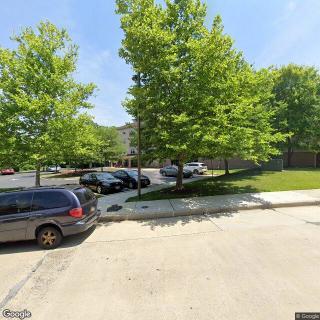
3113 Belmont Avenue, Baltimore, MD 21216
For more information about senior living options: (866) 208-4318
Overall Review of House of Hearts Care
Pros
 She cares about patients' needs.
- She is a great person and a very good caregiver.
- She rearranged her schedule to accommodate an urgent appointment.
- She is the best caregiver a patient has ever had.
Review
House of Hearts Care in Baltimore is best suited for families seeking deeply personalized, one-on-one caregiving where a single caregiver’s attentiveness drives daily life. The community’s strengths lie in the ability to respond to urgent needs with a flexible, patient-centered approach, and to cultivate a relationship with a caregiver who truly sees the resident as an individual. This setup is ideal for seniors who value direct access to their primary caregiver, where scheduling can be adapted to medical or personal priorities without bureaucratic delays. In short, it serves as a practical, high-touch option for people who want meaningful daily support from someone who remembers routines, preferences, and goals.
By contrast, families prioritizing a broad care continuum, clinical oversight, an extensive activities calendar, or a large team of staff may want to consider alternatives. The model described by the sole reviewer suggests a lean operation with exceptional personal service, which can mean less redundancy in coverage and fewer built-in layers of supervision. For residents who require regular visits from licensed nurses around the clock, or for those who want a facility with robust programming and formal pathways to medical care, a larger assisted living or a small-scale medicalized setting with more staff might be a better fit.
The clearest pro is a caregiver who genuinely prioritizes the resident’s needs, paired with a worker described as a standout, compassionate professional. The ability to schedule an appointment immediately demonstrates practical responsiveness that many families struggle to secure. Those benefits translate into real value when a care plan hinges on trust, responsiveness, and the sense that someone will go the extra mile to accommodate urgent concerns. When a resident feels heard and supported, it reduces anxiety for families and often leads to smoother day-to-day management, fewer miscommunications, and quicker adjustments to care plans as needs shift.
Yet the strongest pro also highlights a potential vulnerability: dependency on a single caregiver for most interactions. If that caregiver is unavailable, or turnover occurs, continuity of care can suffer. Families should seek transparency about staffing, backup plans, and how care continuity is maintained when the primary caregiver cannot be present. Establishing expectations around who covers visits, how updates are communicated, and what the escalation path looks like will help offset this risk. The review suggests this is a place where personal relationships matter greatly; ensuring formal processes exist to preserve consistency matters just as much as personal warmth.
For families evaluating this option, practical questions should govern the visit: who provides the direct care, what is the on-site medical presence, and how are urgent needs handled? Clarify the range of services included (beyond personal care), the costs, and any additional fees, as well as the schedule for meals, activities, and transportation if needed. It’s prudent to request a trial period or a day in the life to observe how the caregiver engages with the resident, how changes are documented, and how the facility coordinates with family members. A candid discussion about divisional responsibilities, expectations, and backup coverage will illuminate how well the model translates to long-term stability.
Bottom line: House of Hearts Care presents a compelling option for those who prize close, responsive caregiving with a caregiver who visibly embodies warmth and attentiveness. The one clear testimonial points to a level of personal connection and scheduling agility that can reduce stress and improve daily quality of life. For seniors needing substantial medical oversight, robust programming, or guaranteed coverage across multiple shifts, more established or larger facilities with stronger staffing networks may deliver greater peace of mind. With limited published experience to date, decisions should hinge on how strongly the family values individualized attention and the ability to secure urgent access when needed.
 4 resident community capacity
 Assisted Living
 Cable or satellite TV
 Dining room
 Fully furnished
 Garden
 Housekeeping services
 Move-in coordination
 Outdoor space
 Telephone
 Wi-Fi/high-speed internet available
 Baltimore-Washington International (9 miles away)
 24-hour supervision
 Activities of daily living assistance
 Assistance with bathing
 Assistance with dressing
 Assistance with transfers
 Diabetes diet
 Meal preparation and service
 Medication management
 Special dietary restrictions
 Transportation arrangement (medical)
 Transportation to doctors appointments


 Securing Financial Support for Assisted Living: A Comprehensive Overview
 Social Security Benefits and Assisted Living: Navigating Options Across the U.S.
 An Extensive Exploration of the VA Aid and Attendance Benefit