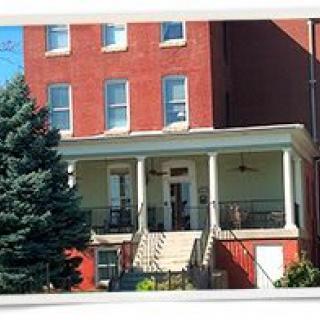
Esther's Place At The Park in Baltimore, MD

2926 Harford Road, Baltimore, MD 21218

For more information about senior living options: (844) 490-3973

4.5 from 20 reviews
5 stars
16
4 stars
1
3 stars
1
2 stars
0
1 stars
2

Assisted Living Respite Care Skilled Nursing Facility

Overall Review of Esther's Place At The Park

Pros

  • pro The staff build special relationships with residents and provide attentive care.
  • pro Esther's Place feels like a home rather than an institution, with a consistently clean environment.
  • pro The homes are founded by two nurses, ensuring compassionate and knowledgeable care.
  • pro Management and staff are courteous, professional, and consistently responsive.
  • pro The owners are dedicated to supporting residents and their families.
  • pro Residents enjoy engaging activities and a welcoming, home-like atmosphere.
  • pro Direct resident care is prioritized, with staff ready to help and go the extra mile.

Cons

  • pro One reviewer warned never to send a loved one there, recounting a med tech sleeping on another patient's bed and reacting angrily when confronted.
  • pro Another reviewer claimed Esther's Place sucks, alleging staff do not care for the clients and that the facility is money-driven.
  • pro A reviewer said the place was unable to care for their loved one properly due to staffing shortfalls and escalating fees.
  • pro A commenter described Esther's Place as dirty and nasty.
  • pro A reviewer stated it would be the last place on earth to send their parents.

Review

Esther's Place at the Park is best suited for families seeking a small, home-like assisted living option where medical judgment and daily living support are tightly integrated. The leadership - two registered nurses with decades of clinical experience - provides credible oversight, and the staff tends to form real, ongoing relationships with residents. This community shines for seniors who need regular assistance with transfers, meals, medication reminders, and routine medical monitoring but still value dignity, independence, and a comfortable, non-institutional atmosphere. For families confronting a transition to care, the setting offers a pragmatic path to peace of mind through consistent, hands-on attention and a culture of warmth.

Those who may want to consider alternatives are typically driven by priorities beyond direct care. A polished, resort-like ambiance, a very expansive activities calendar, or high-end amenities can be hard to find here, as the emphasis is squarely on care rather than glamor. If a resident requires a broader social program, more extensive common areas, or guaranteed 24/7 staffing patterns across multiple shifts, other landscapes may suit better. And while most experiences reflect dedicated, compassionate care, a few reviews flag variability in staff across shifts and isolated concerns about supervision. Families with heightened sensitivity to staffing consistency or to occasional lapses may prefer to compare other options more thoroughly.

The core pros effectively offset the downsides for the right resident. The homey environment, cleanliness, and predictable routines create a sense of safety and belonging that larger, impersonal facilities often lack. Engaged activities and staff who are described as friendly and attentive help residents stay connected and mentally active, rather than passively parked in front of screens. The intimate scale means caregivers know individual preferences, dietary needs, and daily rhythms, which translates into more reliable care. Clinically credible leadership from nurse-owners underpins care decisions, offering reassurance that medical needs will be prioritized and coordinated with family input.

Nevertheless, the cons merit careful consideration. The small, house-based footprint can limit the breadth of amenities and space, which may matter to residents who prize extensive common areas or elaborate d?cor. A noted incident involving a med tech sleeping on a patient's bed is a serious red flag that cannot be dismissed; it signals the necessity for direct questions during tours about supervision, enforcement of policies, and incident reporting. On balance, such concerns do not negate the strengths, but they do demand transparent answers about staffing schedules, training, and accountability. The facility's value proposition rests on care-first economics - resources directed to staff rather than cosmetic upgrades - which is a deliberate choice that some families will applaud and others may question.

In practical terms, Esther's Place at the Park delivers a compelling package for eligible residents who value clinical oversight, accessibility, and genuine caregiver connections. The two RN owners provide a stabilizing influence, enabling rapid problem-solving and a more collaborative approach with families. The positive personal interactions - from the owner response to questions to caregivers treating residents like family - are repeatedly cited as differentiators, especially for those navigating hospice or end-of-life care where comfort and trust matter most. The affordability relative to other options is not incidental; it reinforces the ability to sustain high-touch care without sacrificing essential services.

Final guidance: approach this community with a clear list of priorities. If the objective is a compact, professional, home-centered environment where care quality and caregiver-resident relationships drive outcomes, Esther's Place at the Park deserves strong consideration. If the decision hinges on a broad array of amenities, uniform cross-shift staffing guarantees, or ultra-modern interiors, it is prudent to explore other campuses while treating this community as a leading option to visit first. Due diligence matters: request a direct discussion with the ownership about staffing coverage, ongoing training, and concrete safeguards, and consider a trial stay or extended visit to observe staff interactions, meal routines, and activity engagement firsthand. In the end, the right resident will benefit from a practical, cost-conscious setting where clinical competence and heartfelt care are the priority.

Features

Housing

  • 40 resident community capacity 40 resident community capacity

Types of Care

  • Assisted Living Assisted LivingAssisted living facilities provide crucial support and care for seniors who may need help with daily tasks such as medication management, bathing, and meal preparation. These communities offer a safe and comfortable environment where seniors can maintain their independence while receiving the assistance they need to thrive in their golden years.
  • Respite Care Respite CareRespite care provides temporary relief for caregivers, allowing them to recharge and attend to their own needs. It also gives seniors the opportunity to socialize, receive professional care, and experience a change of scenery, promoting overall well-being and reducing feelings of isolation.
  • Skilled Nursing Facility Skilled Nursing FacilitySkilled Nursing Facilities are crucial for seniors as they provide round-the-clock medical care, rehabilitation services, and assistance with daily activities. These facilities ensure that seniors receive the specialized care they need to maintain their health and well-being as they age.

Amenities

  • Beauty salon Beauty salonBeauty salons are important for seniors because they provide a space for them to feel pampered, socialize, and maintain their personal grooming and hygiene. Regular visits to a beauty salon can help boost seniors' self-esteem and overall well-being.
  • Cable or satellite TV Cable or satellite TVCable or satellite TV is important for seniors because it provides entertainment, news, and companionship, helping to combat loneliness and boredom. It also offers a wide range of programming options tailored to different interests and preferences.
  • Dining room Dining roomDining rooms are important for seniors as they provide a space for socialization, connection, and nutritious meals. They offer opportunities for residents to bond over shared meals, foster a sense of community, and promote healthy eating habits. Dining rooms also ensure that seniors have access to well-balanced meals tailored to their dietary needs and preferences.
  • Fully furnished Fully furnishedFully furnished senior living communities are important for seniors because they provide convenience, comfort, and a hassle-free moving experience. Seniors can easily settle into their new living space without the stress of having to buy and move furniture. This allows them to focus on enjoying their new home and community.
  • Garden GardenGardens are important for seniors as they provide a peaceful and therapeutic environment for relaxation, physical activity, and socialization. Being in nature has been shown to reduce stress, improve mood, and promote overall well-being. Gardens also offer opportunities for seniors to engage in gardening activities, which can improve mobility, flexibility, and cognitive function. Additionally, gardens create a sense of community and connection with others who share a passion for plants and outdoor spaces.
  • Housekeeping services Housekeeping servicesHousekeeping services are important for seniors because they help maintain a clean and safe living environment, promote independence, and reduce the risk of accidents or illnesses. Additionally, having assistance with household chores can alleviate physical strain and allow seniors to focus on other aspects of their well-being.
  • Kitchenette KitchenetteKitchenettes are important for seniors living in senior living communities because they provide the convenience and independence of being able to prepare simple meals and snacks in the comfort of their own living space. This can help promote a sense of autonomy and well-being for seniors, allowing them to maintain some level of control over their dietary choices and daily routines.
  • Laundry LaundryLaundry services are important for seniors as they may have difficulty with physical tasks such as bending, lifting, or carrying heavy loads. Having access to laundry services can help seniors maintain personal hygiene, cleanliness, and independence in their daily lives.
  • Move-in coordination Move-in coordinationMove-in coordination is important for seniors because it helps ease the transition into their new living environment. It ensures that all logistics, such as packing, organizing movers, and setting up utilities are taken care of, allowing seniors to focus on settling in and adjusting to their new home. Having a smooth move-in process can alleviate stress and anxiety, making the transition smoother and more enjoyable for seniors.
  • Outdoor space Outdoor spaceOutdoor spaces are important for seniors as they provide opportunities for physical activity, social interaction, exposure to natural light and fresh air, and a sense of connection to nature. Having access to outdoor spaces can improve overall well-being and quality of life for older adults living in senior communities.
  • Restaurant-style dining Restaurant-style diningRestaurant-style dining is important for seniors because it allows them to enjoy delicious, nutritious meals in a social and upscale setting. This enhances their dining experience, promotes healthy eating habits, and fosters socialization with fellow residents, ultimately contributing to their overall well-being and quality of life.
  • Small library Small librarySmall libraries are important for seniors as they provide access to a variety of reading materials, including books, newspapers, and magazines. This can help stimulate their minds, keep them engaged, and provide a sense of community through book clubs and other social activities. Additionally, reading has been shown to improve cognitive function and overall mental well-being in older adults.
  • Telephone TelephoneTelephones are important for seniors as they provide a lifeline for communication with loved ones, emergency services, and healthcare providers. They offer a sense of security and independence, enabling seniors to stay connected and access assistance when needed.
  • VA Benefits Consultation VA Benefits ConsultationVA Benefits Consultations are important for seniors because they provide valuable information on the benefits and resources available to them as veterans. These consultations can help seniors access financial assistance, healthcare services, and other support that can greatly improve their quality of life in their later years.
  • Wi-Fi/high-speed internet available Wi-Fi/high-speed internet availableWi-Fi/high-speed internet is important for seniors to stay connected with loved ones, access online resources, and participate in virtual activities to combat feelings of loneliness and isolation. It also allows them to easily manage healthcare needs, access entertainment, and engage in lifelong learning opportunities.

Transportation

  • Baltimore-Washington International (11 miles away) Baltimore-Washington International (11 miles away)

Care Services

  • 24-hour call system 24-hour call system24-hour call systems are important for seniors because they provide peace of mind and immediate assistance in case of emergencies. This technology ensures that help is always available, promoting safety and security for elderly individuals living alone or in assisted living facilities.
  • 24-hour supervision 24-hour supervision24-hour supervision is important for seniors to ensure their safety, well-being, and access to immediate assistance in case of emergencies or health issues. This constant support provides peace of mind for both seniors and their loved ones, allowing them to age in place with dignity and security.
  • Activities of daily living assistance Activities of daily living assistanceActivities of daily living assistance are important for seniors because they provide essential support with tasks such as eating, bathing, dressing, and mobility. This assistance helps seniors maintain their independence, dignity, and overall quality of life as they age.
  • Assistance with bathing Assistance with bathingAssistance with bathing is crucial for seniors as it helps maintain personal hygiene, prevents infections, and ensures their overall well-being and comfort. It also provides a sense of dignity and independence for seniors who may struggle with this task on their own.
  • Assistance with dressing Assistance with dressingAssistance with dressing is important for seniors because it helps maintain their independence, promotes personal hygiene, prevents accidents and injuries, and improves overall quality of life. This service ensures that seniors can continue to dress comfortably and confidently, despite any physical limitations they may have.
  • Assistance with transfers Assistance with transfersAssistance with transfers is crucial for seniors as it helps prevent falls and injuries, maintains their independence, and ensures they can safely navigate their living environment. It also provides peace of mind for both seniors and their loved ones.
  • Diabetes diet Diabetes dietA diabetes diet is crucial for seniors as it helps manage blood sugar levels, reduce risks of complications, and improve overall health and well-being. By following a balanced and nutritious diet tailored to their specific needs, seniors can better control their diabetes and enhance their quality of life.
  • Meal preparation and service Meal preparation and serviceMeal preparation and service are crucial for seniors as they may have limited mobility or energy to cook nutritious meals. Having access to healthy and convenient food options can ensure they are getting the proper nutrition needed to maintain their overall health and well-being.
  • Medication management Medication managementMedication management is crucial for seniors to ensure they are taking the right medications at the correct dosages and times. This helps prevent adverse drug interactions, reduces the risk of medication errors, and promotes overall health and well-being. Proactive management also allows for adjustments as needed based on changing health conditions or new prescriptions.
  • Mental wellness program Mental wellness programMental wellness programs are essential for seniors as they promote cognitive stimulation, emotional support, and social engagement. These programs help prevent isolation, depression, and cognitive decline, ultimately enhancing the overall quality of life for older adults.
  • Physical therapy Physical therapyPhysical therapy is essential for seniors to maintain and improve their mobility, strength, and overall quality of life. It helps reduce pain, prevent falls, and enhance independence in daily activities. By promoting movement and function, physical therapy can help seniors stay active, healthy, and engaged in their communities.
  • Special dietary restrictions Special dietary restrictionsSpecial dietary restrictions are important for seniors because age-related changes in metabolism and health conditions can make it difficult for their bodies to process certain foods. By following a diet tailored to their specific needs, seniors can maintain their overall health and well-being, manage chronic conditions, and reduce the risk of complications such as malnutrition or food interactions with medications.

Dining

  • Diabetes diet Diabetes dietA diabetes diet is crucial for seniors as it helps manage blood sugar levels, reduce risks of complications, and improve overall health and well-being. By following a balanced and nutritious diet tailored to their specific needs, seniors can better control their diabetes and enhance their quality of life.
  • Special dietary restrictions Special dietary restrictionsSpecial dietary restrictions are important for seniors because age-related changes in metabolism and health conditions can make it difficult for their bodies to process certain foods. By following a diet tailored to their specific needs, seniors can maintain their overall health and well-being, manage chronic conditions, and reduce the risk of complications such as malnutrition or food interactions with medications.

Activities

  • Community-sponsored activities Community-sponsored activitiesCommunity-sponsored activities are important for seniors as they provide opportunities for social interaction, mental stimulation, and physical activity. These activities can help improve overall well-being, combat loneliness and isolation, and promote a sense of belonging and purpose among older adults.
  • Resident-run activities Resident-run activitiesResident-run activities are important for seniors as they encourage social interaction, creativity, and a sense of autonomy. These activities empower seniors to stay engaged and active in their community while fostering meaningful connections with their peers.
  • Scheduled daily activities Scheduled daily activitiesScheduled daily activities are important for seniors because they provide structure, socialization, mental stimulation, and physical activity. Engaging in regular activities can improve overall well-being and quality of life for seniors living in a community setting.

Languages Spoken

  • English EnglishEnglish is important for seniors as it allows them to communicate effectively with healthcare providers, understand important information related to their health and medications, stay connected with loved ones, and engage in social activities within their communities. It also opens up opportunities for lifelong learning and intellectual stimulation.

Description

Esther's Place At The Park in Baltimore, MD, is a welcoming assisted living community that offers a blend of comfort, care, and vibrant living for its residents. Specializing in both respite care and skilled nursing services, Esther's Place is designed to cater to the unique needs of each individual while promoting independence and wellness.

The community boasts a wide range of amenities to create an enriching environment. Residents can enjoy cable or satellite TV and stay connected with Wi-Fi/high-speed internet access. The elegant dining room features restaurant-style dining, complemented by meal preparation that accommodates special dietary restrictions. For those who love the outdoors, there are beautifully maintained gardens and outdoor spaces where residents can relax and socialize.

Esther’s Place prioritizes convenience with housekeeping services, laundry facilities, move-in coordination assistance, and even VA benefits consultations available for eligible veterans. Residents can also indulge in quiet moments at the small library or engage with friends over coffee at one of the nearby cafes.

Care services at Esther’s Place include 24-hour supervision and tailored support for activities of daily living such as bathing, dressing, and transfers. The community also provides specialized programs like physical therapy and mental wellness initiatives to ensure comprehensive health management. With a focus on resident engagement, Esther’s Place offers scheduled daily activities as well as opportunities for resident-run initiatives that foster social interaction and personal interests.

Nestled in a vibrant neighborhood with convenient access to nearby parks, restaurants, pharmacies, hospitals, places of worship, and transportation options, Esther's Place At The Park truly embodies a nurturing environment where residents can thrive both physically and socially. Whether you’re seeking short-term respite care or long-term skilled nursing support, Esther's Place is dedicated to providing exceptional care tailored to the needs of every resident.

Nearby Places of Interest

Pharmacies

  • CVS Pharmacy (0.7 miles)
  • Walgreens (1.1 miles)
  • CVS Pharmacy (1.7 miles)
  • Walgreens (1.8 miles)
  • CVS Pharmacy (2.1 miles)
  • Walgreens (2.2 miles)
  • CVS Pharmacy (2.3 miles)

Restaurants

  • Koco's Pub (1.2 miles)
  • McDonald's (1.2 miles)
  • Blakes Crab House (2 miles)
  • Burger King (2.1 miles)
  • McDonald's (2.2 miles)
  • Chaps Pit Beef (2.6 miles)
  • Sally O's (2.7 miles)

Hospitals

  • MedStar Union Memorial Hospital (1.5 miles)
  • Kennedy Krieger Institute (1.8 miles)
  • Osler Bulding (1.9 miles)
  • Johns Hopkins Outpatient Pharmacy (2 miles)
  • The Charlotte R. Bloomberg Children's Center at Johns Hopkins Hospital (2 miles)
  • MedStar Good Samaritan Hospital (2.3 miles)
  • UMMC Midtown Campus (2.5 miles)

Physicians

  • East Baltimore Medical Center (1.8 miles)
  • Scottish Rite Speech & Language Center (1.8 miles)
  • Jai Medical Center (2 miles)
  • University of Maryland Medical Center Midtown Professional Building (2.5 miles)
  • University Health Center (3.1 miles)
  • Wozniak Marcella University of Maryland Medical Center Neurology (3.1 miles)
  • 301 Building at Johns Hopkins Bayview Medical Center (3.2 miles)

Transportation

  • Penn Station (1.9 miles)

Cafes

  • Dooby's (2.4 miles)
  • Ceremony Coffee Roasters (2.6 miles)
  • Miss Shirley's Cafe, Roland Park (2.7 miles)
  • Starbucks (2.9 miles)
  • Pitango Bakery + Cafe (3 miles)
  • Starbucks (3 miles)
  • Starbucks (3.1 miles)

Parks

  • Patterson Park (2.5 miles)
  • Patterson Park Annex (2.6 miles)
  • Harbor Point Central Plaza (3.1 miles)
  • Federal Hill Park (3.3 miles)
  • Rash Field (3.3 miles)
  • Canton Waterfront Park (3.4 miles)
  • Rodgers Forge Tot Lot (3.9 miles)

Places of Worship

  • Brown Memorial Woodbrook Presbyterian Church (4.3 miles)
  • Calvary Baptist Church (4.7 miles)

Frequently Asked Questions

Where is Esther's Place At The Park?

Nearby Communities

  • Integrity Esther's Place at Harford

    Integrity Esther's Place at Harford

    Baltimore, MD

    4.4 from 47 reviews
    $3,150 to $3,450 / month

    pro Kind staff and a home-like, personalized care environment.

  • Blessed Heart

    Blessed Heart

    Baltimore, MD


    pro Comprehensive care in a well-equipped, activity-friendly setting.

  • Purpose House

    Purpose House

    Baltimore, MD

    4.4 from 87 reviews
     

    pro Small, intimate setting with 24/7 supervision, ADL support, and healthcare coordination.

  • Hanson Home Care II

    Hanson Home Care II

    Baltimore, MD

    3 from 2 reviews
     

    pro Comprehensive on-site care (24h supervision, ADL assistance, medication management, diabetes diet) in a fully furnished setting with housekeeping and transportation for medical visits.

  • Tender Love & Care

    Tender Love & Care

    Baltimore, MD


    pro Small, personalized assisted living with 24/7 supervision, medication management, and customized meal plans.

  • Pleasant Care 1

    Pleasant Care 1

    Baltimore, MD


    pro Small, intimate assisted living with personalized care and furnished residences.

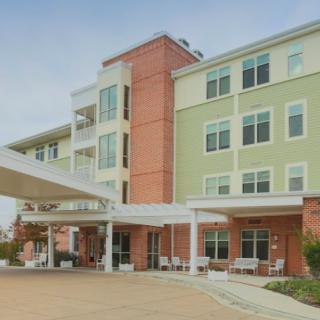
  • The Nursing And Rehab Center At Stadium Place

    The Nursing And Rehab Center At Stadium Place

    Baltimore, MD

    4.2 from 100 reviews
     

    pro Comprehensive 24/7 care with diabetes-friendly dining and restaurant-style meals in a furnished setting.

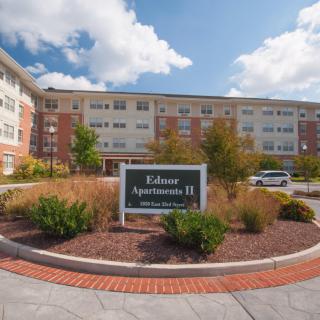
  • Ednor Apartments II

    Ednor Apartments II

    Baltimore, MD

    4.5 from 10 reviews
    $660 to $737 / month

    pro Spacious apartments with helpful staff and on-site amenities.

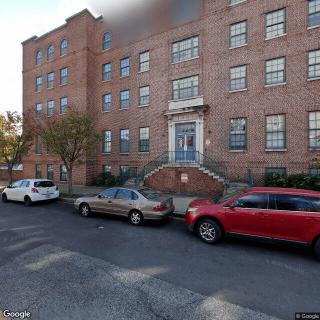
  • Oliver Plaza Senior Apartments

    Oliver Plaza Senior Apartments

    Baltimore, MD

    3.1 from 14 reviews
    $500 to $4,500 / month

    pro Friendly staff; clean, active community with pleasant views.

Related Resources

  • assisted living activitiesBeyond the Bingo Hall: 50+ Enriching Activities for Seniors in Assisted Living

    Assisted living communities offer diverse activities beyond traditional games to enhance seniors' physical health, cognitive well-being, emotional enrichment, and social connections, including fitness classes, creative expression, and intergenerational interactions. These enriching programs foster community bonds and support residents' independence and happiness.

  • assisted living vs memory careUnderstanding the Distinctions: Assisted Living and Memory Care Explained

    The article differentiates between assisted living and memory care, explaining that assisted living supports seniors with daily activities while promoting independence, whereas memory care provides specialized services for individuals with dementia, focusing on secure environments and cognitive support. It also addresses staff training, safety considerations, costs, family involvement, and transition strategies for families navigating these care options.

  • elderly parent refuses assisted livingGuiding Elderly Parents Who Refuse Assisted Living: 6 Practical Steps

    Family caregivers face emotional, legal, and practical challenges when elderly parents refuse assisted living, often due to fears of losing autonomy. Open conversations and professional assessments can help address these concerns while exploring alternatives and ensuring safety, potentially leading to legal guardianship if necessary.