
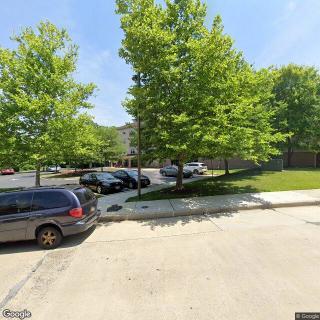
3524 Hayward Avenue, Baltimore, MD 21215
For more information about senior living options: (866) 208-4318
Overall Review of Best Care
Pros
 Ebony and her team demonstrated a caring heart by adopting a family in need this Christmas.
- They went over and beyond for the family.
- Best of Friends provided excellent service and is highly recommended.
- They were able to find a caregiver on short notice for two days over the holiday weekend.
- Sharon was terrific—energetic, proactive, and genuinely friendly.
- The service has been a godsend for families needing in-home hospice care.
- The team is professional, reliable, flexible, and responsive, with consistent care through daily monitoring and communication.
- Best of Friends embodies best practices in elder care and delivers excellent service and management.
Review
Best Care is best positioned for families who want dependable in-home caregiving that keeps a senior at home rather than in a residential setting. The reviews point to a networked approach that can mobilize help quickly, including short-notice coverage for weekends and holidays. They highlight caregivers who are not only capable but genuinely energetic and proactive, with a caregiver (Sharon) described as terrific and a team described as listening, caring, and giving. This is the option for households seeking consistent, hands-on support with daily oversight and frequent family-facing communication, so that care plans stay aligned with changing needs without forcing a move to a facility.
Those considering alternatives should note that this model is not a substitute for a traditional assisted living community when social programming, on-site meals, or 24/7 on-site supervision in a shared living environment are priorities. For families weighing a move to an on-site setting, or for those needing specialized memory-care environments, a facility-based option may deliver the structured daily life and built-in activities that home care cannot. Likewise, when a senior requires more clinical, around-the-clock medical oversight in a community setting, a nursing-oriented or memory-care facility often becomes a more suitable match. Hospice services at home remain an option too, but may not provide the same campus-based amenities and peer socialization found in a dedicated center.
The primary strengths of this approach are tangible and well-supported by the testimonials. The ability to arrange care on short notice demonstrates logistical reliability that relieves families during critical times. The caregivers’ energy, initiative, and personable manner translate into meaningful daily support for someone who may be bedridden or have extensive needs. A professional, reliable, flexible, and responsive management team underpins this service, with a clear emphasis on consistent care through daily monitoring and continuous communication with the family. This combination reduces the likelihood of care gaps and builds a trustworthy bridge between the home and professional support networks.
Trust and continuity emerge as core assets. Families repeatedly note how the care team’s listening, caring, and responsive approach keeps the loved one’s needs as a top priority. The consistency of care, achieved through a coordinated team rather than a single caregiver, is highlighted as a best-practice element in elder care. The testimonials emphasize not only competence but also the human elements, personal rapport, a positive attitude, and genuine dedication, that help maintain a sense of stability for a senior and reassurance for relatives. In short, the service presents itself as a reliable, family-centered solution built to adapt to evolving circumstances.
From a practical decision-making standpoint, the main trade-offs lean in favor of home-based support when the goal is to preserve independence, avoid early entry into a facility, and maintain close family involvement. The positives, rapid caregiver placement, high-quality, proactive staffing, and proactive management, offset the typical concerns about consistency and oversight in in-home care. However, the absence of a fixed on-site living environment means fewer opportunities for social programming and built-in activities; that gap is best closed by careful schedule planning and leveraging community resources. For families needing a high-trust, hands-on home-care partnership, these reviews describe a compelling fit.
The bottom-line guidance is straightforward. If the priority is staying at home with reliable, responsive care that can be scaled to cover weekends, holidays, and fluctuating needs, this option stands out as solid and practical. Begin with a needs assessment to identify the level of hands-on care required, then probe the care-management structure, caregiver rotation practices, and the frequency of formal family updates. Ask for caregiver profiles and references, confirm costs and terms, and clarify how the team coordinates with medical providers and any hospice plans. For families balancing independence with practical support, this in-home care network offers a clear path to continued autonomy without surrendering control or peace of mind.
 4 resident community capacity
 Assisted Living
 Cable or satellite TV
 Dining room
 Fully furnished
 Garden
 Housekeeping services
 Move-in coordination
 Outdoor space
 Telephone
 Wi-Fi/high-speed internet available
 Baltimore-Washington International (12 miles away)
 24-hour supervision
 Activities of daily living assistance
 Assistance with bathing
 Assistance with dressing
 Assistance with transfers
 Diabetes diet
 Meal preparation and service
 Medication management
 Special dietary restrictions
 Transportation arrangement (medical)
 Transportation to doctors appointments






 Securing Financial Support for Assisted Living: A Comprehensive Overview
 Social Security Benefits and Assisted Living: Navigating Options Across the U.S.
 An Extensive Exploration of the VA Aid and Attendance Benefit