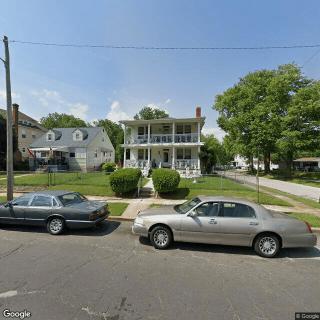
Aunt Shug's Assisted Living 2 is an assisted living community in Baltimore, MD.
Information last verified:
4313 Belvieu Avenue, Baltimore, MD 21215
For more information about senior living options: (866) 208-4318
4.2 from 67 reviews
5 stars
41
4 stars
14
3 stars
4
2 stars
2
1 stars
6
Overall Review of Aunt Shug's Assisted Living 2
differentiator4 reviews mention this
Care and support feel responsive
Residents describe staff who stay attentive to health needs and follow through on care.
Several residents and families say the staff responds well when health needs come up, including medication monitoring and keeping families informed. One review specifically notes responsive nurses and careful attention to blood work needs. Others mention that staff helped manage care needs during the pandemic. A separate review is more critical when a medical situation required hospital attention, describing a lack of help at the time.
common4 reviews mention this
Social activities are a focus
Activities are regularly scheduled and residents describe them as engaging.
Reviews highlight a steady schedule of community activities, with one resident listing exercise classes, bingo and bridge, movie matinees, and themed programming. Another family describes residents as happy and active, with social activities planned. Memory care residents and families also mention tailored programming, including live music. In addition, at least one review points to family events and gatherings as part of life in the community.
common3 reviews mention this
Memory care transitions get praise
Families report positive experiences when moving into memory care.
Multiple reviews describe smooth transitions into the memory care setting, with families feeling their loved ones were safe and supported. One review says the staff went above and beyond during the move, bringing peace of mind about having both parents together. Another review mentions being pleased with overall care in the memory unit while also noting a few missteps along the way.
common7 reviews mention this
Cleanliness and upkeep stand out
Many reviews call out the community as clean and well maintained.
A recurring theme is cleanliness and good upkeep, with reviewers mentioning a clean environment, well-maintained spaces, and protocols being taken seriously. Some also describe rooms as comfortable and the facility as easy to navigate, including elevators. While most comments are positive, one review is sharply critical of living conditions and cleaning frequency, creating a clear contrast in resident experiences.
caveat3 reviews mention this
Food and kitchen care draw criticism
Some residents and caregivers report problems with food quality and kitchen practices.
Not all feedback is favorable on meals and kitchen operations. One negative review describes poor food quality and inadequate attention to residents during dining. Another review calls out kitchen staffing and training concerns, including reported hygiene issues, along with slow service and limited variety. A separate critical review also mentions neglect in connection with mealtime care.
common8 reviews mention this
Staff warmth is praised unevenly
Most reviewers describe staff as friendly, patient, and professional.
Many reviews emphasize friendly, caring staff who treat residents with patience and respect, including help during moves and support for residents with changing needs. Several families also say the staff managed pandemic protocols while still engaging residents socially. However, a couple of reviews are strongly negative, describing unprofessional behavior and even theft, as well as “fake friendly” interactions around visitors.
How we summarize
Counts show how many written reviews mention each theme; a review can touch several themes, and only frequently mentioned themes are displayed.
Features
Housing
7 resident community capacity
Types of Care
Assisted Living
Amenities
Cable or satellite TV
Dining room
Fully furnished
Garden
Housekeeping services
Move-in coordination
Outdoor space
Telephone
Wi-Fi/high-speed internet available
Transportation
Baltimore-Washington International (11 miles away)
Care Services
24-hour supervision
Activities of daily living assistance
Assistance with bathing
Assistance with dressing
Assistance with transfers
Coordination with health care providers
Diabetes diet
Meal preparation and service
Medication management
Special dietary restrictions
Transportation arrangement (medical)
Transportation to doctors appointments
Dining
Diabetes diet
Special dietary restrictions
Activities
Community-sponsored activities
Scheduled daily activities
Nearby Places of Interest
Pharmacies
Walgreens (0.6 miles)
CVS Pharmacy (1 miles)
Walgreens (1.1 miles)
Seven Mile Market (2.1 miles)
Rite Aid (2.4 miles)
CVS Pharmacy (2.8 miles)
Walgreens (3.1 miles)
Hospitals
Sinai Hospital Of Baltimore (1.9 miles)
Lifebridge Health Campus Service (3.1 miles)
MedStar Union Memorial Hospital (4.3 miles)
UMMC Midtown Campus (4.7 miles)
Baltimore VA Medical Center (5 miles)
GBMC (5.1 miles)
University of Maryland Medical Center (5.1 miles)
Physicians
University of Maryland Rehabilitation & Orthopaedic Institute (1.9 miles)
Omni Eye Specialists (3.1 miles)
Dr Richard A. Adler, Belcara Health Ophthalmology (3.4 miles)
Dr Kelman Office (3.9 miles)
St Paul Place Specialist OB GYN (4 miles)
Scottish Rite Speech & Language Center (4 miles)
University of Maryland Medical Center Midtown Professional Building (4.7 miles)
Restaurants
Mt. Washington Tavern (2.9 miles)
Corinthian Lounge & Restaurant (3 miles)
McDonald's (3 miles)
Pepe's (3.3 miles)
McDonald's (3.6 miles)
Burger King (3.8 miles)
Chick-Fil-A (4.1 miles)
Parks
Lake Roland (3.3 miles)
Rodgers Forge Tot Lot (4.7 miles)
Meadowood Regional Park (5.5 miles)
Rash Field (6 miles)
Patapsco Valley State Park (6 miles)
Federal Hill Park (6.1 miles)
Cafes
Miss Shirley's Cafe, Roland Park (3.3 miles)
Starbucks (4.8 miles)
Dooby's (5 miles)
Ceremony Coffee Roasters (5 miles)
Starbucks (6.2 miles)
Places of Worship
Brown Memorial Woodbrook Presbyterian Church (4.4 miles)
Assisted living communities offer diverse activities beyond traditional games to enhance seniors' physical health, cognitive well-being, emotional enrichment, and social connections, including fitness classes, creative expression, and intergenerational interactions. These enriching programs foster community bonds and support residents' independence and happiness.
The article differentiates between assisted living and memory care, explaining that assisted living supports seniors with daily activities while promoting independence, whereas memory care provides specialized services for individuals with dementia, focusing on secure environments and cognitive support. It also addresses staff training, safety considerations, costs, family involvement, and transition strategies for families navigating these care options.
Family caregivers face emotional, legal, and practical challenges when elderly parents refuse assisted living, often due to fears of losing autonomy. Open conversations and professional assessments can help address these concerns while exploring alternatives and ensuring safety, potentially leading to legal guardianship if necessary.
Get PricingAsk A QuestionSchedule A TourContact Senior Advisor
By clicking submit, you agree to our Partner's Terms of Use. You
also consent to receive calls and texts, which may be autodialed, from our Partner. Your consent is not a condition to
using our Partner's service. Please visit our Partner's Privacy Policy for information about their privacy practices.

 7 resident community capacity
 Assisted Living
 Cable or satellite TV
 Dining room
 Fully furnished
 Garden
 Housekeeping services
 Move-in coordination
 Outdoor space
 Telephone
 Wi-Fi/high-speed internet available
 Baltimore-Washington International (11 miles away)
 24-hour supervision
 Activities of daily living assistance
 Assistance with bathing
 Assistance with dressing
 Assistance with transfers
 Diabetes diet
 Meal preparation and service
 Medication management
 Special dietary restrictions
 Transportation arrangement (medical)
 Transportation to doctors appointments
 Small, intimate community with personalized care.
 Beyond the Bingo Hall: 50+ Enriching Activities for Seniors in Assisted Living
 Understanding the Distinctions: Assisted Living and Memory Care Explained
 Guiding Elderly Parents Who Refuse Assisted Living: 6 Practical Steps