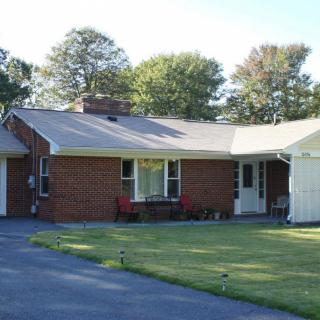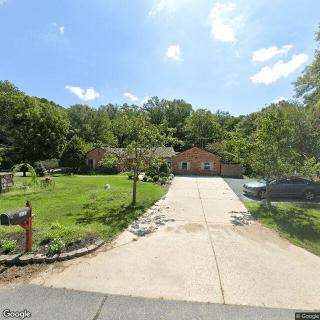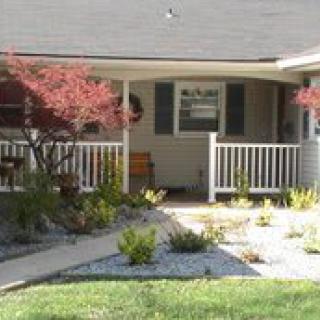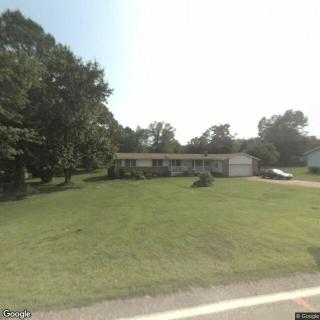
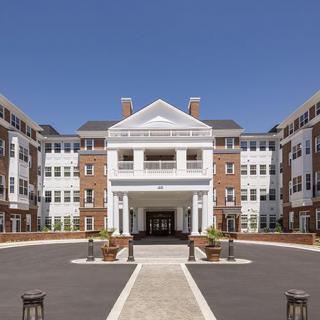
Sunshine House II in Annapolis, MD

Save
Sunshine House II

Sunshine House II in Annapolis, MD

612 Marti Lane, Annapolis, MD 21401

For more information about senior living options: (844) 490-3973

1 from 4 reviews
5 stars
0
4 stars
0
3 stars
0
2 stars
0
1 stars
4

Assisted Living Board and Care Home

Sunshine House II Costs & Pricing

At Sunshine House II, the cost of care reflects a commitment to high-quality services tailored to individual needs. For a semi-private room, residents can expect a monthly fee of $4,500, which is notably higher than both the average for Anne Arundel County at $4,109 and the state average of $3,545. Similarly, for private accommodations, Sunshine House II charges $5,000 per month - again surpassing the county's average of $4,162 and slightly exceeding Maryland's overall average of $4,112. These rates underscore our dedication to providing exceptional care and amenities that enhance the living experience for our residents while positioning ourselves as a premium option in comparison to local and statewide competitors.

Floor plansSunshine House IIAnne Arundel CountyMaryland
Semi-Private$4,500$4,109$3,545
Private$5,000$4,162$4,112

Overall Review of Sunshine House II

Pros

  • pro The help is wonderful.
  • pro They care.
  • pro The food is great.
  • pro The facility looks very nice.

Cons

  • pro The owner promised to refund $7,000 for September but never mailed the check.
  • pro The owner would not answer the phone and did not return calls after numerous messages.
  • pro The reviewer believes Sunshine House keeps money after a loved one's death.
  • pro The reviewer had to seek help in Maryland.
  • pro The owner is uncaring and focused on money.
  • pro The facility has limited staff and residents are isolated with little interaction.
  • pro Staff rarely get residents up to be alert or social, and doors are often kept closed.
  • pro The facility appears nice but does not meet the reviewer's expectations, and families must supply everything and adhere to strict brand requirements.

Review

Sunshine House II in Annapolis is best suited for families that will stay deeply involved in oversight and want a plainly acceptable level of daily care within a neat, presentable setting. It is not a strong match for those who need vibrant social programming, consistent proactive communication from leadership, or rock-solid financial transparency. On the ground, caregivers are described as genuinely caring and meals are reportedly solid, and the building presents well, which can translate into reliable basic support day to day. The decisive caveat is that governance and fiduciary trust will require active family involvement; without that, the positives can be outweighed by serious drawbacks.

Those who ought to consider alternatives include anyone prioritizing clear, accountable financial handling and prompt, direct communication from the owner or administrator. The most troubling threads in the feedback are not about care gaps in the moment, but about money matters and the responsiveness of leadership when circumstances change - such as a resident's death and a prepaid balance. For families seeking a transparent refund process, timely replies, and a governance structure that stands by contracts, Sunshine House II is unlikely to meet expectations. In short, if financial trust and proactive administrative support are nonnegotiable, other communities should be in the running.

The key pros - genuine on-site care and good-quality meals - do offer real value and can sustain daily needs even when programming is sparse. When staff are present, they do provide care that feels attentive, and the kitchen earns positive notes for consistency in meals. These strengths, however, do not fully offset the most consequential cons: a perceived owner-focused approach that prioritizes money over timely, respectful responses, and a level of isolation that can leave two residents with minimal peer interaction. The contrast between a well-kept appearance and a strained sense of community highlights a mismatch between surface polish and lived experience.

A practical read on operations suggests notable gaps in resident engagement and a heavy burden on families to supply items and specify brands and types. The two-staff reality can translate into limited opportunities for meaningful social interaction, frequent doors left closed or barely ajar, and a sense that residents are aging in a setting that values appearance over engagement. For families, this means expectations around daily structure, recreation, and opportunities for social connection should be explicitly clarified before move-in, and monitored thereafter. The environment may look nice, but the day-to-day reality can feel isolating if programming and supervision are not actively sustained.

The financial friction reflected in the reviews is not a minor footnote. A prepaid balance of roughly seven thousand dollars was not refunded promptly, and communication about the outstanding funds proved unreliable. That combination - unreturned funds and inconsistent responsiveness - creates a risk profile that looms over any long-term arrangement. Prospective residents and families should insist on written, enforceable refund and hold-harmless clauses, a transparent ledger for prepaid services, and a clear path for escalation if disputes arise. Consulting a local elder-law or consumer protection resource before committing is a prudent precaution, and maintaining meticulous documentation of all transactions will be essential.

In the end, Sunshine House II is not recommended for most families seeking a reliable, well-governed assisted-living experience. It may appeal to those who can tolerate limited programming and who discipline themselves to supervise every financial interaction while weighing the intangible comfort of a cared-for, pleasant environment. For anyone who cannot accept the risk of delayed refunds, opaque communications, or a potentially isolating resident experience, alternatives with stronger governance, more robust social programming, and clearer fiduciary practices are worth pursuing. If still considering Sunshine House II, demand concrete assurances: a formal policy on refunds, a named financial officer with direct contact, regular family updates, and a plan for daily activity and resident engagement that goes beyond keeping doors open.

Features

Housing

  • 5 resident community capacity 5 resident community capacity

Types of Care

  • Assisted Living Assisted LivingAssisted living facilities provide crucial support and care for seniors who may need help with daily tasks such as medication management, bathing, and meal preparation. These communities offer a safe and comfortable environment where seniors can maintain their independence while receiving the assistance they need to thrive in their golden years.
  • Board and Care Home Board and Care HomeBoard and care homes provide a smaller, more intimate setting for seniors who require assistance with daily tasks but do not need the level of care offered by a nursing home. They offer personalized care, meals, and social activities in a homelike environment, ensuring that seniors receive individualized attention and support in their golden years.

Pets

  • Cats allowed Cats allowed"Pet friendly" senior living communities are important for seniors because pets provide companionship, reduce feelings of loneliness and depression, promote physical activity and mental stimulation, and offer a sense of purpose and responsibility. Pets can improve overall well-being and quality of life for seniors in many ways.
  • Dogs allowed Dogs allowed"Pet friendly" senior living communities are important for seniors because pets provide companionship, reduce feelings of loneliness and depression, promote physical activity and mental stimulation, and offer a sense of purpose and responsibility. Pets can improve overall well-being and quality of life for seniors in many ways.

Amenities

  • Activities off-site Activities off-siteEngaging in off-site activities is crucial for seniors to maintain social connections, stay active, and stimulate their minds. It promotes overall well-being and helps combat feelings of isolation and loneliness.
  • Activities on-site Activities on-siteActivities on-site are important for seniors because they provide opportunities for socialization, mental stimulation, physical activity, and overall well-being. Engaging in activities can help seniors stay active, maintain their independence, and improve their quality of life.
  • Beautician on-site Beautician on-siteHaving a beautician on-site at a senior living community is important for seniors as it allows them to easily access grooming and personal care services, boosting their self-esteem and overall well-being. It also provides convenience and helps seniors maintain their sense of independence and personal style.
  • Cable or satellite TV Cable or satellite TVCable or satellite TV is important for seniors because it provides entertainment, news, and companionship, helping to combat loneliness and boredom. It also offers a wide range of programming options tailored to different interests and preferences.
  • Dining room Dining roomDining rooms are important for seniors as they provide a space for socialization, connection, and nutritious meals. They offer opportunities for residents to bond over shared meals, foster a sense of community, and promote healthy eating habits. Dining rooms also ensure that seniors have access to well-balanced meals tailored to their dietary needs and preferences.
  • Fully furnished Fully furnishedFully furnished senior living communities are important for seniors because they provide convenience, comfort, and a hassle-free moving experience. Seniors can easily settle into their new living space without the stress of having to buy and move furniture. This allows them to focus on enjoying their new home and community.
  • Garden GardenGardens are important for seniors as they provide a peaceful and therapeutic environment for relaxation, physical activity, and socialization. Being in nature has been shown to reduce stress, improve mood, and promote overall well-being. Gardens also offer opportunities for seniors to engage in gardening activities, which can improve mobility, flexibility, and cognitive function. Additionally, gardens create a sense of community and connection with others who share a passion for plants and outdoor spaces.
  • Housekeeping services Housekeeping servicesHousekeeping services are important for seniors because they help maintain a clean and safe living environment, promote independence, and reduce the risk of accidents or illnesses. Additionally, having assistance with household chores can alleviate physical strain and allow seniors to focus on other aspects of their well-being.
  • Indoor common areas Indoor common areasIndoor common areas are crucial for seniors as they provide a space for socialization, recreation, and community engagement, promoting overall well-being and reducing feelings of isolation and loneliness.
  • Move-in coordination Move-in coordinationMove-in coordination is important for seniors because it helps ease the transition into their new living environment. It ensures that all logistics, such as packing, organizing movers, and setting up utilities are taken care of, allowing seniors to focus on settling in and adjusting to their new home. Having a smooth move-in process can alleviate stress and anxiety, making the transition smoother and more enjoyable for seniors.
  • Outdoor common areas Outdoor common areasOutdoor common areas are important for seniors as they provide a space for socialization, physical activity, and relaxation. Being outside in nature can improve mood and overall well-being, while also encouraging movement and engagement with others. These spaces can help combat feelings of isolation and promote a sense of community among residents.
  • Outdoor space Outdoor spaceOutdoor spaces are important for seniors as they provide opportunities for physical activity, social interaction, exposure to natural light and fresh air, and a sense of connection to nature. Having access to outdoor spaces can improve overall well-being and quality of life for older adults living in senior communities.
  • Private PrivatePrivacy is important for seniors as it allows them to maintain their independence, dignity, and sense of control over their own lives. It also gives them the space and freedom to relax, reflect, and engage in activities that bring them joy and fulfillment. Creating private spaces within senior living facilities is crucial for promoting overall well-being and quality of life.
  • Private bathrooms Private bathroomsPrivate bathrooms are important for seniors in senior living communities because they provide independence, dignity, and comfort. Having a private bathroom allows seniors to maintain their personal hygiene routines without the need for assistance, promoting a sense of autonomy and privacy. Additionally, private bathrooms help prevent the spread of infections and provide a safe and clean environment for seniors to navigate safely.
  • Respite or short term stays offered Respite or short term stays offeredRespite or short term stays provide seniors with a temporary solution when their regular caregiver is unavailable, offering them the opportunity to receive additional care and support during times of need, while also giving caregivers a chance to rest and recharge.
  • Telephone TelephoneTelephones are important for seniors as they provide a lifeline for communication with loved ones, emergency services, and healthcare providers. They offer a sense of security and independence, enabling seniors to stay connected and access assistance when needed.
  • Wheelchair accessible showers Wheelchair accessible showersWheelchair accessible showers are crucial for seniors as they provide a safe and independent bathing option for those with mobility challenges. These showers help prevent falls and allow seniors to maintain their dignity and autonomy while ensuring they can bathe comfortably.
  • Wi-Fi/high-speed internet available Wi-Fi/high-speed internet availableWi-Fi/high-speed internet is important for seniors to stay connected with loved ones, access online resources, and participate in virtual activities to combat feelings of loneliness and isolation. It also allows them to easily manage healthcare needs, access entertainment, and engage in lifelong learning opportunities.

Transportation

  • Baltimore-Washington International (13 miles away) Baltimore-Washington International (13 miles away)

Care Services

  • 24-hour supervision 24-hour supervision24-hour supervision is important for seniors to ensure their safety, well-being, and access to immediate assistance in case of emergencies or health issues. This constant support provides peace of mind for both seniors and their loved ones, allowing them to age in place with dignity and security.
  • Activities of daily living assistance Activities of daily living assistanceActivities of daily living assistance are important for seniors because they provide essential support with tasks such as eating, bathing, dressing, and mobility. This assistance helps seniors maintain their independence, dignity, and overall quality of life as they age.
  • Assistance with bathing Assistance with bathingAssistance with bathing is crucial for seniors as it helps maintain personal hygiene, prevents infections, and ensures their overall well-being and comfort. It also provides a sense of dignity and independence for seniors who may struggle with this task on their own.
  • Assistance with dressing Assistance with dressingAssistance with dressing is important for seniors because it helps maintain their independence, promotes personal hygiene, prevents accidents and injuries, and improves overall quality of life. This service ensures that seniors can continue to dress comfortably and confidently, despite any physical limitations they may have.
  • Assistance with transfers Assistance with transfersAssistance with transfers is crucial for seniors as it helps prevent falls and injuries, maintains their independence, and ensures they can safely navigate their living environment. It also provides peace of mind for both seniors and their loved ones.
  • Coordination with health care providers Coordination with health care providersCoordination with health care providers is crucial for seniors to ensure proper medical care, medication management, and overall well-being. This collaboration helps prevent overlapping treatments, track progress more effectively, and provide comprehensive support tailored to individual needs.
  • Diabetes diet Diabetes dietA diabetes diet is crucial for seniors as it helps manage blood sugar levels, reduce risks of complications, and improve overall health and well-being. By following a balanced and nutritious diet tailored to their specific needs, seniors can better control their diabetes and enhance their quality of life.
  • Diabetic care Diabetic careDiabetic care is crucial for seniors as they are more susceptible to developing diabetes due to aging and other health conditions. Proper management of diabetes can help prevent complications such as heart disease, vision loss, and nerve damage, improving the overall quality of life for seniors in senior living communities.
  • High acuity care High acuity careHigh acuity care is important for seniors because it provides specialized medical attention and support for individuals with complex medical needs. This level of care ensures that seniors receive the appropriate treatment and assistance to maintain their health and quality of life as they age.
  • Incontinence care Incontinence careIncontinence care is essential for seniors to maintain their dignity, hygiene, and overall quality of life. By addressing incontinence issues promptly and effectively, seniors can enjoy a sense of independence and comfort in their daily activities.
  • Meal preparation and service Meal preparation and serviceMeal preparation and service are crucial for seniors as they may have limited mobility or energy to cook nutritious meals. Having access to healthy and convenient food options can ensure they are getting the proper nutrition needed to maintain their overall health and well-being.
  • Medication management Medication managementMedication management is crucial for seniors to ensure they are taking the right medications at the correct dosages and times. This helps prevent adverse drug interactions, reduces the risk of medication errors, and promotes overall health and well-being. Proactive management also allows for adjustments as needed based on changing health conditions or new prescriptions.
  • Special dietary restrictions Special dietary restrictionsSpecial dietary restrictions are important for seniors because age-related changes in metabolism and health conditions can make it difficult for their bodies to process certain foods. By following a diet tailored to their specific needs, seniors can maintain their overall health and well-being, manage chronic conditions, and reduce the risk of complications such as malnutrition or food interactions with medications.
  • Transportation arrangement (medical) Transportation arrangement (medical)Transportation arrangements for medical purposes are essential for seniors as they may have difficulty driving themselves to appointments or accessing public transportation. Having reliable and safe transportation options ensures that seniors can receive timely medical care and maintain their health and well-being.
  • Transportation to doctors appointments Transportation to doctors appointmentsTransportation to doctors' appointments is crucial for seniors as it ensures they have access to necessary medical care and support for their health needs. Without reliable transportation, seniors may struggle to attend important appointments, leading to potential delays in treatment and health complications. Providing transportation services helps seniors maintain their overall well-being and quality of life.
Dining

  • Diabetes diet Diabetes dietA diabetes diet is crucial for seniors as it helps manage blood sugar levels, reduce risks of complications, and improve overall health and well-being. By following a balanced and nutritious diet tailored to their specific needs, seniors can better control their diabetes and enhance their quality of life.
  • Kosher KosherKosher options are important for seniors because they adhere to dietary laws that are significant to many Jewish individuals, providing them with peace of mind and an opportunity to maintain their cultural traditions and beliefs while living in a senior living community.
  • Meals provided Meals provided"Meals provided" are crucial for seniors in assisted living communities as it ensures they have access to nutritious, balanced meals without the stress of meal planning and preparation. This can help promote overall health and well-being for seniors who may have limited mobility or cognitive abilities.
  • Special dietary restrictions Special dietary restrictionsSpecial dietary restrictions are important for seniors because age-related changes in metabolism and health conditions can make it difficult for their bodies to process certain foods. By following a diet tailored to their specific needs, seniors can maintain their overall health and well-being, manage chronic conditions, and reduce the risk of complications such as malnutrition or food interactions with medications.
  • Vegetarian VegetarianA vegetarian diet is important for seniors because it can help lower the risk of chronic diseases, maintain a healthy weight, and provide essential nutrients needed for aging bodies. Additionally, plant-based diets are often easier on digestive systems and can contribute to overall well-being in older adults.

Activities

  • Activities off-site Activities off-siteEngaging in off-site activities is crucial for seniors to maintain social connections, stay active, and stimulate their minds. It promotes overall well-being and helps combat feelings of isolation and loneliness.
  • Activities on-site Activities on-siteActivities on-site are important for seniors because they provide opportunities for socialization, mental stimulation, physical activity, and overall well-being. Engaging in activities can help seniors stay active, maintain their independence, and improve their quality of life.
  • Community-sponsored activities Community-sponsored activitiesCommunity-sponsored activities are important for seniors as they provide opportunities for social interaction, mental stimulation, and physical activity. These activities can help improve overall well-being, combat loneliness and isolation, and promote a sense of belonging and purpose among older adults.
  • Scheduled daily activities Scheduled daily activitiesScheduled daily activities are important for seniors because they provide structure, socialization, mental stimulation, and physical activity. Engaging in regular activities can improve overall well-being and quality of life for seniors living in a community setting.

Description

Sunshine House II is an assisted living community located in Annapolis, MD, offering board and care home services. Our facility provides a comfortable and homely environment for individuals who require assistance with their daily activities.

Residents can enjoy various amenities within our community, including on-site activities such as games, arts and crafts, and social events. We also have a beautician available on-site to cater to the grooming needs of our residents. Each room is fully furnished, offering a cozy retreat for individuals to relax and unwind.

Our community also features a lovely garden and outdoor space where residents can enjoy fresh air and tranquility. Housekeeping services are provided to ensure that the surroundings are clean and well-maintained. Indoor common areas provide spaces for socializing and connecting with other residents.

We offer move-in coordination services to assist individuals in transitioning smoothly into our community. Private accommodations with private bathrooms are available, and we prioritize ensuring that our facilities are wheelchair accessible with shower facilities designed for convenience.

For those seeking short-term stays or respite care, Sunshine House II is here to provide the necessary support. Telephone services are available for communication needs, along with Wi-Fi/high-speed internet for connectivity.

Our dedicated staff is trained in providing assistance with activities of daily living such as bathing, dressing, transfers, and medication management. We coordinate with healthcare providers to ensure comprehensive care for all residents, including specialized diabetic care and assistance with diabetes diets. High acuity care is also provided for those with more complex medical needs.

Nutrition plays an important role in maintaining overall health, which is why our dining options include kosher meals as well as catering to special dietary restrictions such as vegetarian diets. Meals are provided by our experienced staff who take pride in preparing delicious and nutritious dishes.

We understand the importance of staying engaged socially and mentally active; therefore, we offer a variety of activities both on-site within our community as well as through community-sponsored events. Residents can participate in scheduled daily activities that cater to different interests and hobbies.

Sunshine House II is conveniently located, with nearby pharmacies, physicians, restaurants, places of worship, theaters, and hospitals. Transportation arrangements for medical appointments are available to ensure residents have access to essential healthcare services.

At Sunshine House II, we strive to create a warm and nurturing environment where individuals can embrace their independence while receiving the care and support they need.

Nearby Places of Interest

This part of Annapolis, Maryland, offers a variety of amenities and services that may be appealing to seniors looking for a comfortable and convenient living environment. With several healthcare facilities in close proximity, including the Annapolis Oncology Center, Promd Health, and WellAve Dermatology, residents have easy access to medical care. Additionally, there are a number of dining options nearby such as Maggiano's and The Cheesecake Factory, providing plenty of choices for enjoyable meals. For entertainment, the Bow Tie Annapolis Mall 11 theater is just a short distance away. Anne Arundel Medical Center is also located nearby for any emergency medical needs. Overall, this area provides a mix of essential services, dining options, and recreational opportunities that can contribute to a comfortable and convenient lifestyle for seniors.

Physicians

  • Annapolis Oncology Center (0.9 miles)
  • Promd Health (1 miles)
  • Annapolis LASIK & PRK Laser Eye Surgery - LasikPlus (1 miles)
  • WellAve Dermatology Annapolis, MD (1.1 miles)
  • Chesapeake Medical Imaging (1.1 miles)
  • Richard Bernstein, MD (1.1 miles)
  • Anne Arundel FMLY Eyec (1.2 miles)

Restaurants

  • Maggiano's (1 miles)
  • The Cheesecake Factory (1.2 miles)
  • Gordon Biersch Brewery Restaurant (1.6 miles)
  • Double T Diner (1.8 miles)
  • Ingrano Bistro Bakery (1.8 miles)
  • Julep (1.8 miles)
  • Chick-Fil-A (1.8 miles)

Theaters

  • Bow Tie Annapolis Mall 11 (1.2 miles)

Hospitals

  • Anne Arundel Medical Center (1.6 miles)
  • Luminis Health Community Clinic Arundel Lodge (2.4 miles)

Pharmacies

  • CVS Pharmacy (1.7 miles)
  • CVS Main Store (3.1 miles)
  • CVS Pharmacy (3.1 miles)
  • CVS Pharmacy (3.6 miles)
  • CVS Pharmacy (3.9 miles)
  • Giant Pharmacy (4 miles)
  • Walgreens (4.2 miles)

Places of Worship

  • Naval Academy Chapel (4.2 miles)
  • St Mary's Church (4.3 miles)
  • St John the Evangelist Church (5 miles)
  • St Elizabeth Ann Seton Church (6.2 miles)

Cafes

  • Big Bean (5 miles)

Parks

  • Quiet Waters Park (5.3 miles)

Frequently Asked Questions

How much does it cost to live at Sunshine House II in Annapolis, MD?
Where is Sunshine House II?
Does Sunshine House II allow residents to have pets?

Nearby Communities

  • Brightview Annapolis

    Brightview Annapolis

    Annapolis, MD

    4.6 from 99 reviews
     

    pro Excellent care with responsive staff, plus diverse dining and engaging activities.

  • Roberts House

    Roberts House

    Annapolis, MD


    pro Excellent access to healthcare and nearby amenities (pharmacies, physicians, hospitals, restaurants, theaters, and places of worship).

  • Sunrise of Annapolis

    Sunrise of Annapolis

    Annapolis, MD

    4.4 from 96 reviews
    $7,050 to $9,990 / month

    pro Caring staff and a vibrant, activity-rich environment.

  • Chesapeake Caregivers

    Chesapeake Caregivers

    Annapolis, MD

    4.6 from 23 reviews
     

    pro Reliable, compassionate staff with good caregiver matching.

  • Golden Arms

    Golden Arms

    Annapolis, MD


    pro Small, home-like board-and-care with personalized care, included meals, housekeeping, and medical transport.

  • Habitat America,  LLC

    Habitat America, LLC

    Annapolis, MD


    pro Excellent access to parks, pharmacies, physicians, dining, worship, entertainment, and hospitals.

  • Freedom Home Care

    Freedom Home Care

    Annapolis, MD

    4.8 from 40 reviews
     

    pro Attentive, personalized care with responsive staff and a helpful Health Portal

  • Celebration Villa of Manresa

    Celebration Villa of Manresa

    Annapolis, MD

    4.3 from 62 reviews
    $3,295 to $5,495 / month

    pro Friendly staff with a robust activity program in a clean, scenic riverfront setting.

  • Autumn Lake at Spa Creek

    Autumn Lake at Spa Creek

    Annapolis, MD

     
    $7,350 to $8,160 / month

    pro On-site devotional services and a broad range of amenities (including incontinence care and respite stays).

Related Resources

  • when to move from assisted living to memory careWhen to Transition from Assisted Living to Memory Care: Key Indicators, Steps, and Finding the Right Community

    Transitioning from assisted living to memory care is driven by an individual's cognitive decline and specific needs, requiring careful evaluation of indicators like increased confusion and wandering. The process involves consulting medical professionals, researching suitable communities, considering financial and legal aspects, and ensuring effective communication for personalized care plans.

  • assisted living vs memory careAssisted Living and Memory Care: Understanding Their Core Differences

    Assisted living provides moderate support for seniors seeking independence, while memory care offers specialized support for individuals with dementia or cognitive impairments through structured routines and trained staff. Key differences include care approaches, environment security measures, staff training levels, activity types, and cost considerations.

  • assisted living activitiesBeyond the Bingo Hall: 50+ Enriching Activities for Seniors in Assisted Living

    Assisted living communities offer diverse activities beyond traditional games to enhance seniors' physical health, cognitive well-being, emotional enrichment, and social connections, including fitness classes, creative expression, and intergenerational interactions. These enriching programs foster community bonds and support residents' independence and happiness.