
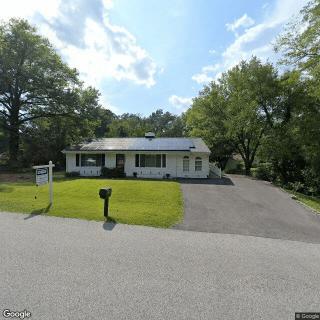
1137 Streetrausberg Street, Accokeek, MD 20607
For more information about senior living options: (866) 208-4318
Jobean II Costs & Pricing
At Jobean II, the monthly costs for various room types reflect a premium pricing strategy compared to both Prince George's County and the broader state of Maryland. For a semi-private room, residents can expect to pay $5,591, significantly higher than the county average of $3,058 and the state average of $3,545. Private rooms further increase this disparity, with Jobean II charging $6,709 compared to $3,792 in the county and $4,112 statewide. The trend continues with studio accommodations priced at $7,268 - again surpassing both local ($4,428) and state ($4,656) averages. These costs suggest that while Jobean II may offer enhanced services or facilities that justify its higher price point, potential residents should carefully weigh these benefits against more affordable options available within the region.
| Floor plans | Jobean II | Prince George's County | Maryland |
|---|---|---|---|
| Semi-Private | $5,591 | $3,058 | $3,545 |
| Private | $6,709 | $3,792 | $4,112 |
| Studio | $7,268 | $4,428 | $4,656 |
Assisted Living communities with a similar price nearby
-
About the same

Golden Years And More
$5,500 / month24.3 miles away -
from -$391 / mo
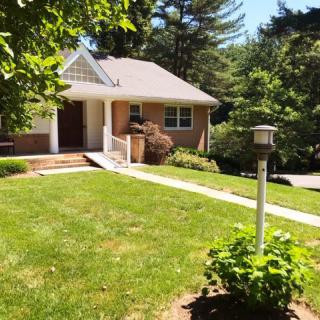
Avalon House On Laburnum Street
$5,200 / month19.0 miles away -
from +$809 / mo
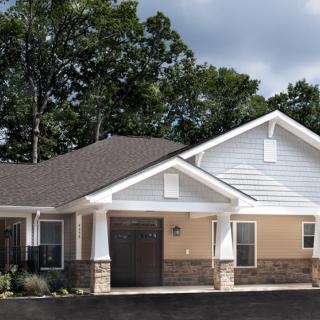
Evermore Senior Living
$6,400 / month17.2 miles away -
from -$391 / mo
Avalon House On Woodland Drive
$5,200 / month18.1 miles away -
from -$991 / mo

Kensington Park Senior Living
$4,600 to $7,100 / month23.7 miles away
Overall Review of Jobean II
Cons
 It is described as the worst assisted living facility ever.
- The reviewer would not recommend this place to anyone.
- It needs a thorough state inspection.
Review
This community is best avoided by seniors who rely on daily assistance and a consistently safe, well-regulated living environment. The singular review available casts Jobean II in the harshest possible light, calling it “the worst assisted living ever” and leaving little room for interpretation about care quality, oversight, or resident safety. In practical terms, families should not expect reliable staffing, responsive problem-solving, or transparent governance from this facility. When choosing an assisted living, the baseline expectations are a clean, orderly setting, attentive caregivers, and timely interventions; those expectations appear unfulfilled based on the feedback provided. If placement is still under consideration, it should be pursued only with a plan that includes exit strategies and firm benchmarks for improvement.
For families actively seeking alternatives, the message is clear: prioritize communities with proven track records in care quality, positive resident experiences, and accessible oversight. Those evaluating options in Accokeek or the surrounding Prince George’s County areas should look for facilities with current licensing citations, regularly updated inspection reports, and staff-to-resident ratios that support actual hands-on care. Prospective residents or their representatives should gravitate toward places where caregivers are present, responsive, and dependable, and where the environment feels orderly, clean, and well-maintained. In short, choose the option that offers tangible evidence of quality and accountability, not promises that cannot be verified.
The lack of any identified strengths in the single review means the main cons are not offset by any demonstrated positives. Without documented benefits, such as responsive management, structured programming, safe transportation, or meaningful activities, the negative impression cannot be neutralized. The reviewer’s blunt assessment implies systemic gaps rather than isolated incidents: staffing adequacy, care consistency, and governance appear to be the core vulnerabilities. That combination is precisely the kind of risk families should weigh heavily, especially when the decision affects long-term wellbeing and financial commitments. In this context, even a modest improvement in one area would need to be clearly visible, verifiable, and sustained to alter the risk calculus.
Practical due diligence becomes essential for anyone still curious about this community. When touring other options, request recent state inspection summaries and the facility’s official action plans if citations exist. Inquire about typical staff coverage during peak hours and overnight, and ask to see incident logs, medication administration protocols, and how care plans are developed and updated. Observe common areas for cleanliness, safety features (handrails, grab bars, accessible signage), and the general demeanor of staff and residents. Ask for references from current families, and verify how complaints are handled and tracked. A tour should reveal not just what is promised, but what is consistently delivered in real, everyday operations.
From a decision-making standpoint, the safest path is to move toward facilities with clearer, verifiable records of care quality and resident satisfaction. If budget pressures or timing constrain the search, consider alternative care models such as home health programs, short-term respite placements, or other assisted living communities with transparent performance metrics and active regulatory engagement. The objective remains simple: align with a setting where residents are seen, heard, and safeguarded, with staff who are present, attentive, and accountable. Anything short of that standard warrants a deliberate shift to stronger options.
Bottom line: the review signals significant concerns that materially affect daily life and long-term security for residents. The balance of evidence suggests this community should not be the first choice for families prioritizing reliable care and peace of mind. Those evaluating options in the area should elevate their criteria, insist on verifiable licensing records, ongoing quality improvement efforts, and a track record of positive resident experiences. When in doubt, test alternatives aggressively, document comparisons, and favor facilities that demonstrate consistent, high-quality care rather than hopeful assurances.
 8 resident community capacity
 Assisted Living
 Cable or satellite TV
 Dining room
 Fully furnished
 Garden
 Housekeeping services
 Move-in coordination
 Outdoor space
 Telephone
 Wi-Fi/high-speed internet available
 Ronald Reagan Washington National (12 miles away)
 24-hour supervision
 Activities of daily living assistance
 Assistance with bathing
 Assistance with dressing
 Assistance with transfers
 Diabetes diet
 Meal preparation and service
 Medication management
 Special dietary restrictions
 Transportation arrangement (medical)
 Transportation to doctors appointments
 Fully furnished apartments with 24-hour staffing and diabetes-friendly dining.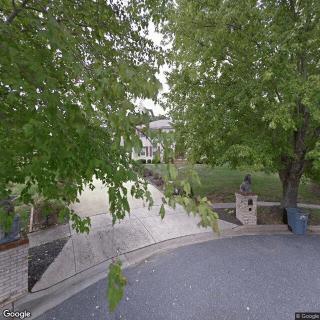


 Securing Financial Support for Assisted Living: A Comprehensive Overview
 Social Security Benefits and Assisted Living: Navigating Options Across the U.S.
 An Extensive Exploration of the VA Aid and Attendance Benefit