
20 Bishop Drive, Windham, ME 04062
For more information about senior living options: (866) 208-4318
Overall Review of Windham Pines
Pros
 Windham Pines is a great place.
- The staff are amazing.
- The resources at Windham Pines are absolutely amazing.
- The staff care about their clients.
- It is an excellent place for families.
- The location preserves client privacy.
Cons
 They are understaffed.
Review
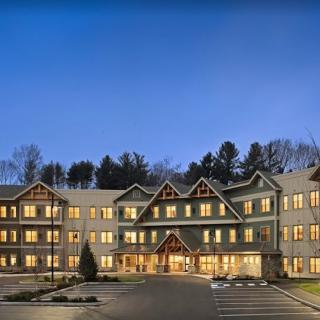
This community is best suited for families that prize genuine, attentive care wrapped in a privacy-forward setting. The reviews paint Windham Pines as a place where the caregiving team is described as amazing and deeply devoted to residents, and where the location itself offers a quiet, discreet environment that supports dignity and independence. For families who want their loved one to feel seen, heard, and respected, with a setting that isn’t exposed to constant hustle and bustle, Windham Pines presents a compelling match.
That said, not every family will find it the right fit. The most significant caveat is staffing. Descriptions of the campus point to remarkable caregivers, but the community is also portrayed as understaffed. That combination can translate into slower responses, uneven coverage, and potential gaps during peak times or busy days. For seniors whose needs demand steady, around-the-clock attention, or who require frequent assistance with mobility, medical monitoring, or specialized programming, Windham Pines may feel lean compared with other options that invest more heavily in staffing ratios and on-site medical oversight.
The strongest positives are concrete and aligned with family priorities. Staff commitment stands out: caregivers are praised for their compassion, engagement, and visible care for residents. Privacy also ranks highly, with the facility’s hidden location cited as protecting residents’ sense of autonomy and personal space. The “excellent place for family” sentiment reinforces that families see Windham Pines as a setting where loved ones are not isolated but rather supported by a team that values involvement and communication. These elements, caring staff and a respectful, privacy-conscious atmosphere, form a solid foundation for quality of life, social connection, and peace of mind for families.
Yet the main drawback, understaffing, cannot be ignored. When care teams are stretched thin, even the best intentions can be hamstrung by time constraints and predictable delays. This risk is not merely theoretical; it directly affects daily routines, emergency responsiveness, and the consistency of activities and oversight that families rely on. For residents with higher care needs, or for families seeking a predictable cadence of assistance and medical coordination, the staffing gap can erode the otherwise strong impression created by the team’s dedication and the community’s intimate feel.
Balancing these factors, Windham Pines rewards evaluation on a practical, action-oriented basis. The warmth and attentiveness of the staff, coupled with a privacy-friendly setting, make it an attractive choice for residents who prefer smaller-scale engagement, meaningful interactions with caregivers, and a home-like environment where family involvement is welcomed and easy to maintain. However, for those whose top priority is unassailable staffing reliability, quick response times, consistent staff availability, and robust day-to-day medical oversight, the understaffing caveat merits serious consideration. It is essential to corroborate current staffing levels during visits, speak with front-line caregivers, and review actual call-back times and nurse availability across shifts.
In making a decision, families should plan a careful, on-site visit with a set of targeted questions: What is the current staff-to-resident ratio across day, evening, and night shifts? How quickly do caregivers typically respond to call bells or care requests? What kind of medical oversight exists on-site, and how are emergencies managed after hours? How active are daily programs, and who leads them if staff are stretched? How do families stay informed about changes in care, and how accessible are family meetings or care conferences? If the answers align with a preference for intimate, respectful care and privacy, Windham Pines stands out as a strong choice.
The bottom line is clear. Windham Pines serves a distinct niche: a compassionate, family-friendly environment where residents enjoy privacy and a high-touch caregiving ethos, supported by a devoted staff. It is a sound option for families who can live with, and manage, the realities of staffing nuances. For those who cannot compromise on steady staffing and the assurance that care is consistently available around the clock, exploring alternatives with stronger staffing models will yield greater long-term confidence. The right fit hinges on aligning care expectations with the reality of staffing dynamics and the value placed on privacy, family involvement, and heartfelt caregiving.
 8 resident community capacity
 Assisted Living
 Cable or satellite TV
 Dining room
 Fully furnished
 Garden
 Housekeeping services
 Move-in coordination
 Outdoor space
 Telephone
 Wi-Fi/high-speed internet available
 Portland International Jetport (10 miles away)
 24-hour supervision
 Activities of daily living assistance
 Assistance with bathing
 Assistance with dressing
 Assistance with transfers
 Diabetes diet
 Meal preparation and service
 Medication management
 Special dietary restrictions
 Transportation arrangement (medical)
 Transportation to doctors appointments

 Assisted Living Expenses and Long-Term Care Insurance: A Comprehensive Exploration
 Securing Financial Support for Assisted Living: A Comprehensive Overview
 Social Security Benefits and Assisted Living: Navigating Options Across the U.S.