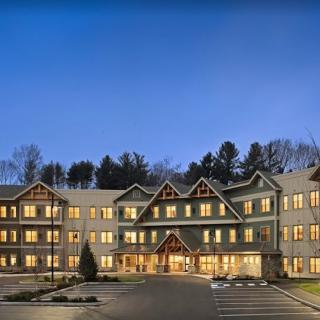
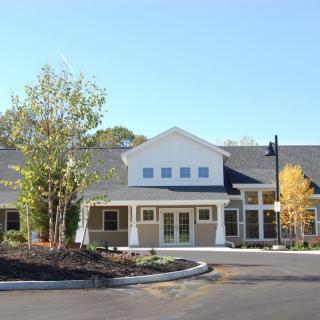
Neurorestorative 246 Hardy Road

246 Hardy Road, Westbrook, ME 04092

For more information about senior living options: (844) 490-3973

3.9 from 8 reviews
5 stars
5
4 stars
1
3 stars
0
2 stars
0
1 stars
2

Assisted Living

Overall Review of Neurorestorative 246 Hardy Road

Pros

  • pro They have helped us get through things to get on our own again.
  • pro There are nice and helpful staff.

Cons

  • pro The facility is a scam.
  • pro They care nothing about the quality of life for the clients.
  • pro The clients receive very little or no services.
  • pro Readers are advised to seek alternative care for a family member in these facilities.
  • pro NeuroRestorative did not return calls or provide meaningful assistance for a client in need.
  • pro The reviewer believes precious time was wasted and that another organization would have provided more care.

Review

Across the collection of reviews on NeuroRestorative, readers paint a contrasted picture of the organization's work with brains-injured clients. The narrative that emerges is not uniform: some people speak glowingly of the support they received, while others voice strong accusations that the facility fails to deliver basic care or even acts as a scam. The tone shifts from cautiously hopeful to outright skeptical, illustrating how experiences at the same organization can diverge dramatically.

One reviewer delivers a relatively positive appraisal, emphasizing a journey toward independence and recovery. They mention that the staff are nice and helpful, and that therapists provide meaningful support. The therapies themselves are described as useful for rehabilitating after a brain injury, and the reviewer assigns four out of five stars, signaling a belief that the program can offer real value to those in need. The overall impression is of a place where diligent clinical work and supportive interpersonal interactions can contribute to meaningful progress.

In stark contrast stands a critic who characterizes NeuroRestorative as a scam. This reviewer asserts that the facility cares nothing about the quality of life for its clients, with claims that clients receive very little or no services. The warning is blunt and urgent: readers should seek alternative care for their family members immediately. The language conveys a sense of danger and negligence, portraying the organization as failing to meet basic standards of care or accountability.

A further voice adds to the skepticism with a more practical grievance about responsiveness and access. The reviewer describes extensive efforts to secure services for a family member - specifically, a client with a traumatic brain injury - only to encounter persistent silence and a lack of meaningful assistance. Repeated outreach and explanation of the client's dire needs have yielded little help, prompting the conclusion that the place may indeed be a scam. The reviewer cautions others to be careful and to consider other options, emphasizing the wasted time that could have been spent pursuing alternatives.

Adding to the layered critique is the perspective of a court-appointed lawyer who represents a client with a traumatic brain injury. This attorney explains that the client is currently jailed in part due to low functioning and that the team has struggled for months to screen and admit him into NeuroRestorative facilities. The lawyer reports a pattern of unanswered calls and a lack of substantive support from the organization, reinforcing the impression of systemic inattention or obstructive bureaucracy. The lawyer's candid assessment echoes the suspicion that, at least in this case, the organization's responsiveness falls far short of what is needed.

Taken together, the reviews reveal a landscape of contradicting experiences that put into sharp relief the variability in how NeuroRestorative operates across cases and contexts. On one hand, there are accounts praising the caring demeanor of staff, the expertise of therapists, and the functional benefits of rehabilitation programs. On the other hand, there are vehement complaints about neglect, insufficient services, and a pattern of unreturned calls and opaque processes that leave families feeling abandoned and misled. The juxtaposition creates a narrative where the organization is seen as capable of delivering meaningful clinical outcomes by some, while being perceived as negligent or fraudulent by others.

What emerges is a complex, two-sided portrait that underscores the importance of thorough due diligence for anyone considering NeuroRestorative for a loved one. The hopeful experiences highlight that compassionate staff and effective therapies can indeed contribute to rehabilitation and independence. Conversely, the negative accounts emphasize the critical need for reliable communication, timely access to care, and genuine accountability. For families navigating the consequences of brain injury, these reviews collectively suggest that information should be gathered from multiple sources, with careful attention to both positive outcomes and red flags of neglect or unresponsiveness.

Ultimately, these diverse perspectives illustrate a tension between potential value and real-world shortcomings. They remind readers that in healthcare and post-injury rehabilitation, outcomes can hinge as much on responsive administration and accessible services as on the quality of therapy itself. The message to prospective clients and their families is clear: explore all options, verify information from several sources, and weigh both the demonstrated benefits and the concerns raised by others before making a decision about care.

Features

Housing

  • 5 resident community capacity 5 resident community capacity

Types of Care

  • Assisted Living Assisted LivingAssisted living facilities provide crucial support and care for seniors who may need help with daily tasks such as medication management, bathing, and meal preparation. These communities offer a safe and comfortable environment where seniors can maintain their independence while receiving the assistance they need to thrive in their golden years.

Amenities

  • Cable or satellite TV Cable or satellite TVCable or satellite TV is important for seniors because it provides entertainment, news, and companionship, helping to combat loneliness and boredom. It also offers a wide range of programming options tailored to different interests and preferences.
  • Dining room Dining roomDining rooms are important for seniors as they provide a space for socialization, connection, and nutritious meals. They offer opportunities for residents to bond over shared meals, foster a sense of community, and promote healthy eating habits. Dining rooms also ensure that seniors have access to well-balanced meals tailored to their dietary needs and preferences.
  • Fully furnished Fully furnishedFully furnished senior living communities are important for seniors because they provide convenience, comfort, and a hassle-free moving experience. Seniors can easily settle into their new living space without the stress of having to buy and move furniture. This allows them to focus on enjoying their new home and community.
  • Garden GardenGardens are important for seniors as they provide a peaceful and therapeutic environment for relaxation, physical activity, and socialization. Being in nature has been shown to reduce stress, improve mood, and promote overall well-being. Gardens also offer opportunities for seniors to engage in gardening activities, which can improve mobility, flexibility, and cognitive function. Additionally, gardens create a sense of community and connection with others who share a passion for plants and outdoor spaces.
  • Housekeeping services Housekeeping servicesHousekeeping services are important for seniors because they help maintain a clean and safe living environment, promote independence, and reduce the risk of accidents or illnesses. Additionally, having assistance with household chores can alleviate physical strain and allow seniors to focus on other aspects of their well-being.
  • Move-in coordination Move-in coordinationMove-in coordination is important for seniors because it helps ease the transition into their new living environment. It ensures that all logistics, such as packing, organizing movers, and setting up utilities are taken care of, allowing seniors to focus on settling in and adjusting to their new home. Having a smooth move-in process can alleviate stress and anxiety, making the transition smoother and more enjoyable for seniors.
  • Outdoor space Outdoor spaceOutdoor spaces are important for seniors as they provide opportunities for physical activity, social interaction, exposure to natural light and fresh air, and a sense of connection to nature. Having access to outdoor spaces can improve overall well-being and quality of life for older adults living in senior communities.
  • Telephone TelephoneTelephones are important for seniors as they provide a lifeline for communication with loved ones, emergency services, and healthcare providers. They offer a sense of security and independence, enabling seniors to stay connected and access assistance when needed.
  • Wi-Fi/high-speed internet available Wi-Fi/high-speed internet availableWi-Fi/high-speed internet is important for seniors to stay connected with loved ones, access online resources, and participate in virtual activities to combat feelings of loneliness and isolation. It also allows them to easily manage healthcare needs, access entertainment, and engage in lifelong learning opportunities.

Transportation

  • Portland International Jetport (7 miles away) Portland International Jetport (7 miles away)

Care Services

  • 24-hour supervision 24-hour supervision24-hour supervision is important for seniors to ensure their safety, well-being, and access to immediate assistance in case of emergencies or health issues. This constant support provides peace of mind for both seniors and their loved ones, allowing them to age in place with dignity and security.
  • Activities of daily living assistance Activities of daily living assistanceActivities of daily living assistance are important for seniors because they provide essential support with tasks such as eating, bathing, dressing, and mobility. This assistance helps seniors maintain their independence, dignity, and overall quality of life as they age.
  • Assistance with bathing Assistance with bathingAssistance with bathing is crucial for seniors as it helps maintain personal hygiene, prevents infections, and ensures their overall well-being and comfort. It also provides a sense of dignity and independence for seniors who may struggle with this task on their own.
  • Assistance with dressing Assistance with dressingAssistance with dressing is important for seniors because it helps maintain their independence, promotes personal hygiene, prevents accidents and injuries, and improves overall quality of life. This service ensures that seniors can continue to dress comfortably and confidently, despite any physical limitations they may have.
  • Assistance with transfers Assistance with transfersAssistance with transfers is crucial for seniors as it helps prevent falls and injuries, maintains their independence, and ensures they can safely navigate their living environment. It also provides peace of mind for both seniors and their loved ones.
  • Coordination with health care providers Coordination with health care providersCoordination with health care providers is crucial for seniors to ensure proper medical care, medication management, and overall well-being. This collaboration helps prevent overlapping treatments, track progress more effectively, and provide comprehensive support tailored to individual needs.
  • Diabetes diet Diabetes dietA diabetes diet is crucial for seniors as it helps manage blood sugar levels, reduce risks of complications, and improve overall health and well-being. By following a balanced and nutritious diet tailored to their specific needs, seniors can better control their diabetes and enhance their quality of life.
  • Meal preparation and service Meal preparation and serviceMeal preparation and service are crucial for seniors as they may have limited mobility or energy to cook nutritious meals. Having access to healthy and convenient food options can ensure they are getting the proper nutrition needed to maintain their overall health and well-being.
  • Medication management Medication managementMedication management is crucial for seniors to ensure they are taking the right medications at the correct dosages and times. This helps prevent adverse drug interactions, reduces the risk of medication errors, and promotes overall health and well-being. Proactive management also allows for adjustments as needed based on changing health conditions or new prescriptions.
  • Special dietary restrictions Special dietary restrictionsSpecial dietary restrictions are important for seniors because age-related changes in metabolism and health conditions can make it difficult for their bodies to process certain foods. By following a diet tailored to their specific needs, seniors can maintain their overall health and well-being, manage chronic conditions, and reduce the risk of complications such as malnutrition or food interactions with medications.
  • Transportation arrangement (medical) Transportation arrangement (medical)Transportation arrangements for medical purposes are essential for seniors as they may have difficulty driving themselves to appointments or accessing public transportation. Having reliable and safe transportation options ensures that seniors can receive timely medical care and maintain their health and well-being.
  • Transportation to doctors appointments Transportation to doctors appointmentsTransportation to doctors' appointments is crucial for seniors as it ensures they have access to necessary medical care and support for their health needs. Without reliable transportation, seniors may struggle to attend important appointments, leading to potential delays in treatment and health complications. Providing transportation services helps seniors maintain their overall well-being and quality of life.

Dining

  • Diabetes diet Diabetes dietA diabetes diet is crucial for seniors as it helps manage blood sugar levels, reduce risks of complications, and improve overall health and well-being. By following a balanced and nutritious diet tailored to their specific needs, seniors can better control their diabetes and enhance their quality of life.
  • Special dietary restrictions Special dietary restrictionsSpecial dietary restrictions are important for seniors because age-related changes in metabolism and health conditions can make it difficult for their bodies to process certain foods. By following a diet tailored to their specific needs, seniors can maintain their overall health and well-being, manage chronic conditions, and reduce the risk of complications such as malnutrition or food interactions with medications.

Activities

  • Community-sponsored activities Community-sponsored activitiesCommunity-sponsored activities are important for seniors as they provide opportunities for social interaction, mental stimulation, and physical activity. These activities can help improve overall well-being, combat loneliness and isolation, and promote a sense of belonging and purpose among older adults.
  • Scheduled daily activities Scheduled daily activitiesScheduled daily activities are important for seniors because they provide structure, socialization, mental stimulation, and physical activity. Engaging in regular activities can improve overall well-being and quality of life for seniors living in a community setting.

Description

Neurorestorative is an assisted living community located at 246 Hardy Road in Westbrook, ME. This community offers a range of amenities to ensure the comfort and convenience of its residents. The dining room provides delicious meals for the residents to enjoy, and the entire community is fully furnished for their convenience. Residents can also make use of the outdoor space, perfect for relaxation and enjoying nature.

Neurorestorative takes care of all housekeeping services, allowing residents to focus on enjoying their time in the community. Move-in coordination services are also provided to ensure a smooth transition for new residents.

For communication and connectivity needs, this community offers telephone services as well as Wi-Fi/high-speed internet access.

In terms of care services, Neurorestorative provides assistance with various activities of daily living, including bathing, dressing, and transfers. The staff also coordinates with health care providers to ensure that each resident receives the necessary medical attention. Residents with special dietary restrictions can avail themselves of diabetes diet options and meal preparation and service.

Medication management services are provided by trained staff members to ensure that residents take their medications as prescribed. Transportation arrangements for medical purposes are available, as well as transportation to doctors' appointments when needed.

Neurorestorative understands that each resident has unique dietary requirements, which is why they offer special dietary restrictions options for their dining menu.

To keep residents engaged and entertained, scheduled daily activities are organized within the community. There are also several amenities nearby for residents to explore at their leisure. These include cafes, pharmacies, physicians' offices, restaurants, theaters, and hospitals.

Overall, Neurorestorative strives to provide a comfortable and supportive environment where residents can enjoy an enhanced quality of life while receiving personalized care and attention.

Nearby Places of Interest

Theaters

  • Prides Corner Drive-In (1.5 miles)
  • Flagship Premium Cinemas Falmouth (6.5 miles)

Physicians

  • Miracle-Ear Center (3 miles)
  • Lotus Family Practice (3.1 miles)
  • Holland, Sarah Holland Plastic Surgery Aesthetics (3.2 miles)
  • West Falmouth Primary Care (3.3 miles)
  • Maine Proctology Center (3.4 miles)
  • Mercy Express Care (3.5 miles)
  • Scott P Williams MD (3.9 miles)

Restaurants

  • Allagash Brewing Company (3.3 miles)
  • Mr Bagel-Westbrook (4.1 miles)
  • Burger King (4.2 miles)
  • China Villa (4.2 miles)
  • Bakers Bench (4.3 miles)
  • McDonald's (4.3 miles)
  • Firehouse Subs (4.5 miles)

Hospitals

  • Mercy Hospital (3.5 miles)
  • HealthSouth (6.1 miles)
  • Maine Medical Center-Brighton Campus (6.1 miles)
  • Maine Medical Center (6.4 miles)
  • Fal River Health Center (6.7 miles)
  • Mid Coast Hospital (6.7 miles)

Pharmacies

  • Walgreens (3.9 miles)
  • CVS Pharmacy (4.2 miles)
  • Hannaford Pharmacy (4.3 miles)
  • CVS Pharmacy (4.3 miles)
  • Shaw's Pharmacy (4.3 miles)
  • Cvs North Portland (4.3 miles)
  • Community Pharmacies (4.6 miles)

Cafes

  • Roots Cafe (4.1 miles)
  • Aroma Joe's (5.5 miles)
  • Bru-Thru Coffee Shack (5.9 miles)
  • Coveside Coffee (6 miles)
  • Cumberland Food Company (6.6 miles)
  • The Holy Donut (7.1 miles)

Parks

  • Shaw Gym (5.9 miles)
  • Deering Oaks Park (7.1 miles)

Places of Worship

  • United Church of Christ at North Gorham (6.3 miles)

Transportation

  • Northeast Air (6.7 miles)
  • Portland International Jetport (PWM) (6.8 miles)
  • PWM Baggage Claim (6.8 miles)
  • Portland Transportation Center (6.8 miles)

Frequently Asked Questions

Where is Neurorestorative 246 Hardy Road?

Nearby Communities

Related Resources

  • aid and attendance vaAn Extensive Exploration of the VA Aid and Attendance Benefit

    The VA Aid and Attendance benefit provides financial support to veterans needing assistance with daily living due to medical conditions or disabilities, augmenting standard VA pensions for services like in-home care. Eligibility is based on service duration, wartime status, income, and medical needs, with a detailed application process required to access funds for caregiving and home modifications.

  • senior move managementSenior Transition Services: Understanding Their Role, Cost, and Importance

    Senior move management services assist older adults in the relocation process by providing emotional support and organizational help, addressing unique challenges like downsizing and moving from long-term homes. These specialists collaborate with real estate agents and manage logistics, making the transition smoother for seniors and their families.

  • independent living vs assisted livingExploring the Path to Senior Living: A Comprehensive Look at Independent Living and Assisted Living

    The article examines senior housing options, detailing the distinctions between independent living and assisted living, along with the emerging "independent assisted living" model that blends both approaches. It highlights the importance of assessing individual needs, preferences, and financial factors in making informed decisions about suitable living arrangements for seniors.