
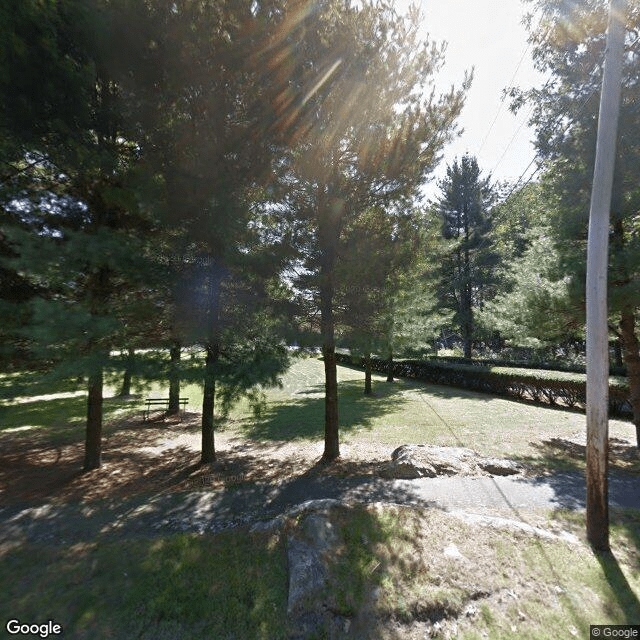
401 Brook St, Westbrook, ME 04092
To contact a resident: (207) 797-8100
For more information about senior living options: (866) 208-4318
Overall Review of Riverside Estates Inc
Pros
 The trail behind the building is untouched and beautiful.
- Grammy is awesome.
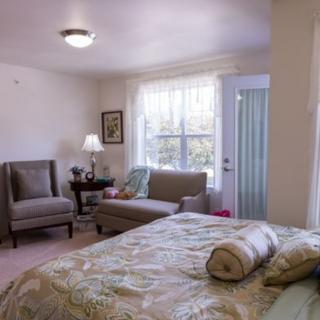
- Nice apartments and affordable housing are available.
- The place is very quiet and the people are very nice.
- It is a good elderly home.
Cons
 The experience was mediocre.
- The place is a dump.
- The place has gone downhill in the last 3-5 years.
- The project manager told residents to move if they don’t like it.
- Their needs should be addressed promptly.
Review
Riverside Estates is best suited for seniors who want affordable, apartment-style living in Westbrook, Maine, and who value a quiet, neighborly atmosphere as their primary priority. The community tends to attract residents who are comfortable with limited on-site services and who do not require extensive assistance or highly active programming. For those who want a straightforward, low-stress environment where rent stays predictable and the social scene centers on everyday familiarity, Riverside Estates can be a practical option. It’s not a fit for someone chasing high-end amenities, frequent events, or a highly proactive management team.
Those considering alternatives should note what Riverside Estates struggles with in the eyes of many residents: a management approach that can feel dismissive, and a facility that has shown signs of aging and underinvestment in recent years. The most vocal concerns center on insufficient responsiveness to longtime residents’ needs and a belief that changes are slow or unlikely. Families seeking a community with consistently proactive maintenance, transparent operations, and a culture of listening to resident feedback will likely want to compare other independent- or assisted-living options in the area. Residents who place a premium on strong bedside care or rigorous safety oversight should look elsewhere.
The strongest positives at Riverside Estates are tangible and meaningful for many tenants. The apartments themselves are described as nice and affordable, which matters greatly for fixed incomes. The overall environment is quiet, and neighbors tend to be friendly, contributing to a low-stress daily life for those with limited mobility or social energy. The presence of outdoor space nearby, most notably the long looping trail behind the building, adds a welcome dimension for residents who enjoy walks or a simple way to get fresh air without leaving the property. The impression of warmth from certain individuals, including a locally well-regarded staff contact referred to as “Grammy,” reinforces a sense of community for some residents.
However, the favorable elements do not fully offset the core drawbacks. The recent history of decline, people noting a downturn over the last three to five years, signals that maintenance, updating, and responsiveness have not kept pace with resident needs. Reports of a project manager who effectively tells residents to “move” if they don’t like it lay bare a tense dynamic that can erode trust and safety, particularly for long-term residents who already feel their issues are not being addressed. In a setting where stability and predictability matter, a perceived willingness to sidestep concerns becomes a real risk to quality of life. For those with aging infrastructure or who value timely fixes, these are decisive factors.
From a practical decision-making standpoint, families should conduct a set of targeted checks before committing. Inspect unit condition and shared spaces for wear that may require ongoing attention. Speak with current residents about maintenance responsiveness and the consistency of administrative follow-through. Ask about any upcoming renovations or capital improvements, and whether those plans have clear timelines and funding. Clarify what is included in the rent, what services are available on-site, and how safety and mobility needs are accommodated. Consider how important an active social program and attentive management are to the resident’s day-to-day happiness and whether the landscape of Westbrook offers better-equipped alternatives with more resident-driven culture.
In the end, Riverside Estates serves a pragmatic niche: affordable, quiet, community-oriented living for seniors who do not need intensive care or rich programming, and who can tolerate a management style that feels hands-off at times. It is not the place for someone who requires consistent proactive engagement from leadership, frequent facility upgrades, or a culture of listening to resident concerns. Families weighing options should compare neighboring communities that emphasize resident feedback, transparent communication, and timely maintenance. For the right person, one who prioritizes cost, simplicity, and a serene setting, Riverside Estates can be a sensible choice; for others, it may be worth steering toward alternatives with stronger alignment to those priorities.
 Portland International Jetport (5 miles away)
 In-Home Care Costs in 2025: A Detailed State-by-State Exploration
 Understanding Home Health Care: A Comprehensive Guide
 Home Health Care Demystified: A Comprehensive Guide for Families and Caregivers