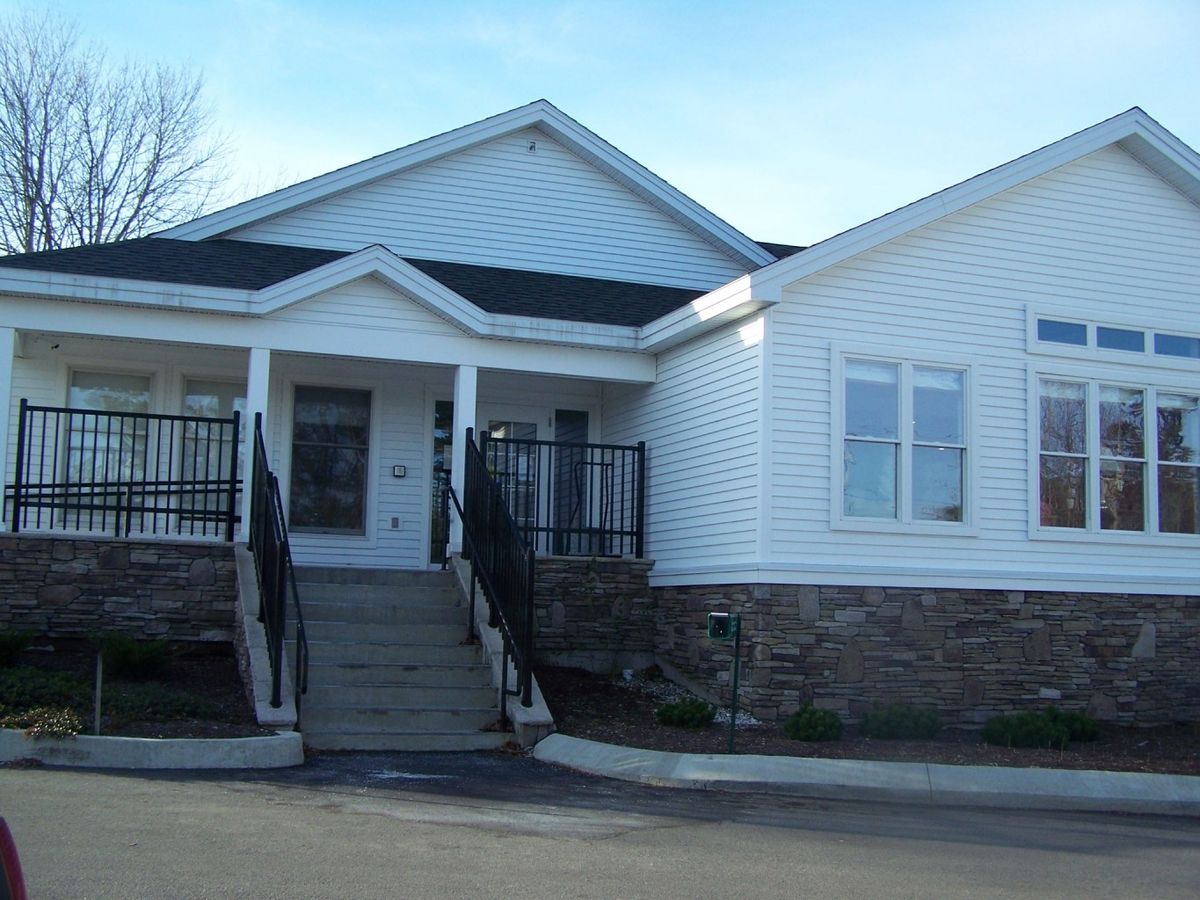
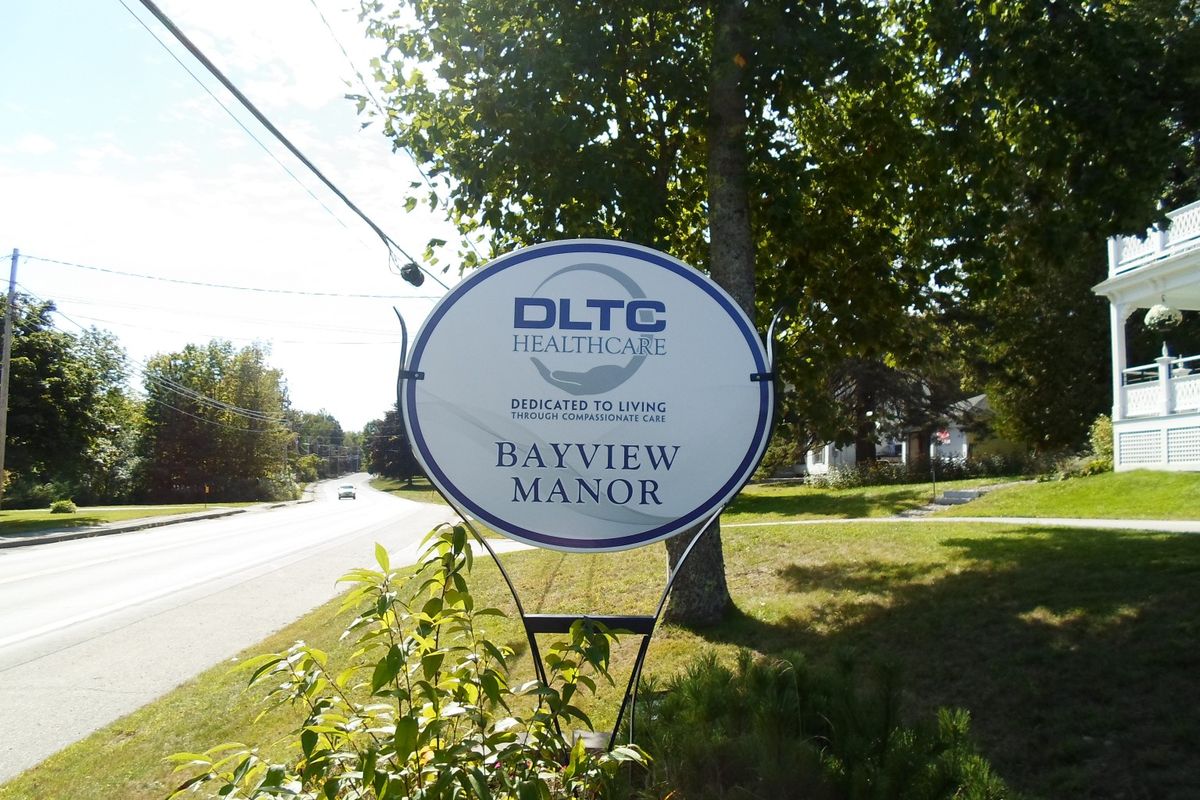
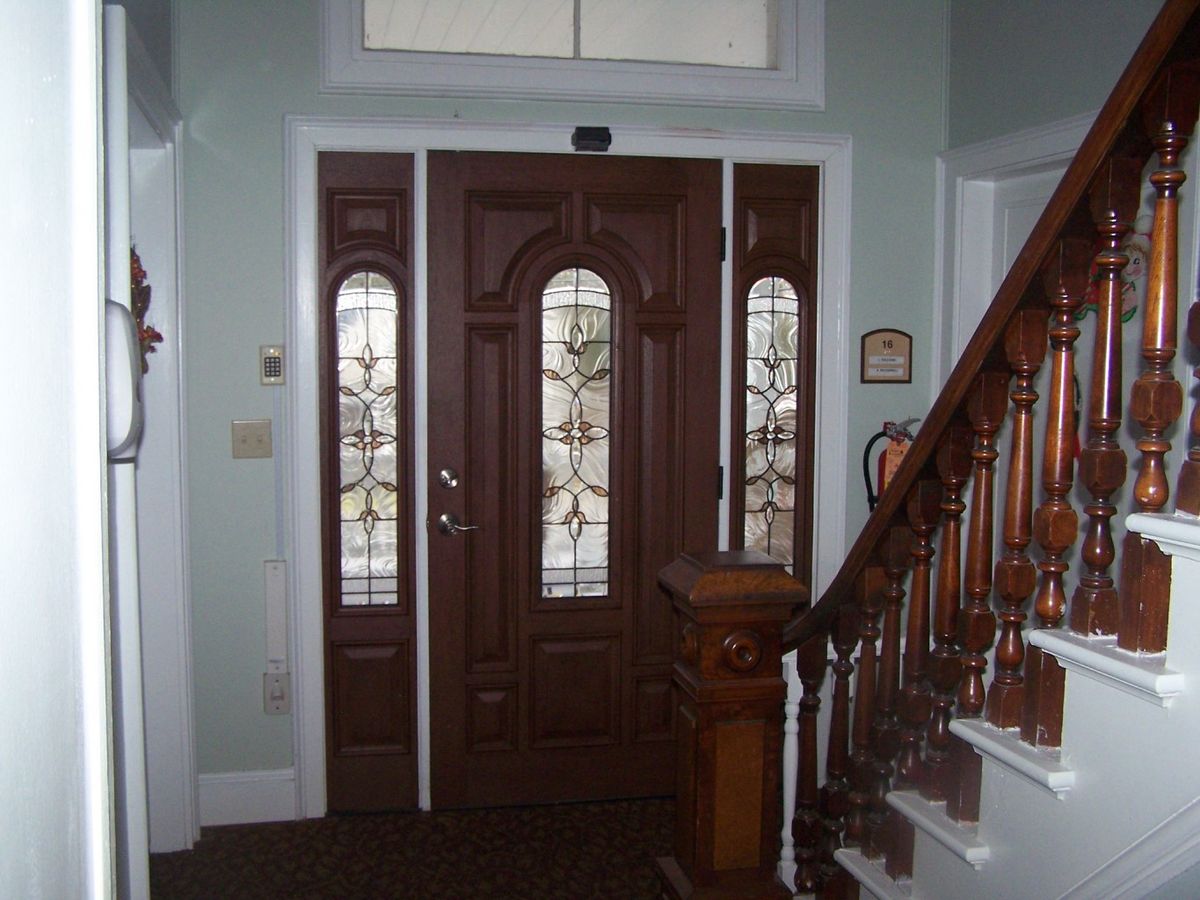
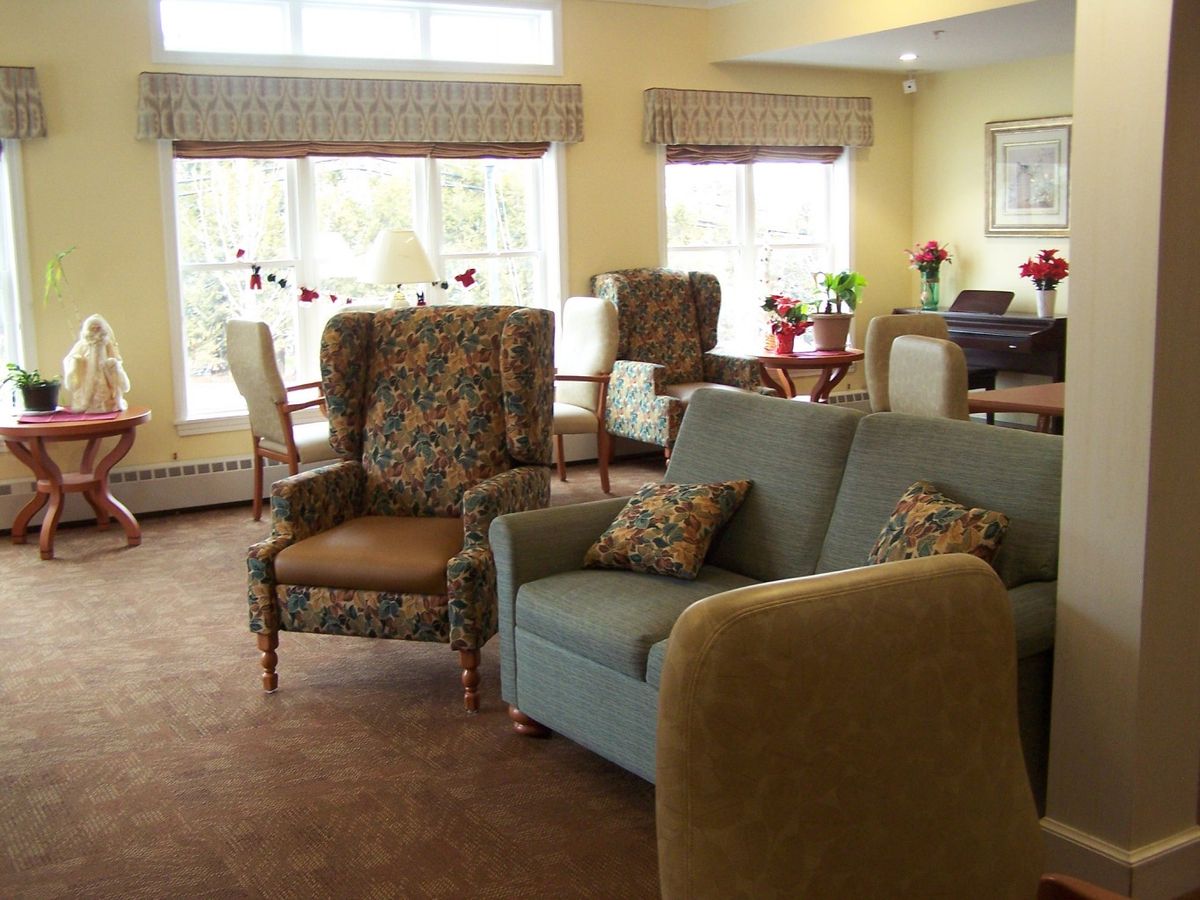





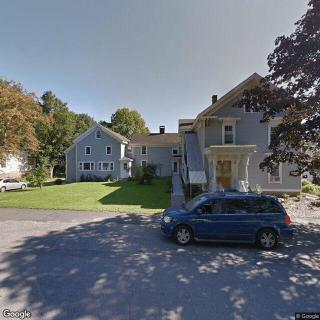
45 West Main Street, Searsport, ME 04974
For more information about senior living options: (866) 208-4318
Overall Review of Bayview Manor
Cons
 They were rarely pleased with the care their mother received at Bayview Manor.
- They constantly found their mother with a dead hearing-aid battery, and staff did not know how to change it.
- There were housekeeping issues, elopement risks, rude staff, an untreated blood clot/leg infection, and missing hearing aids (three).
- The mother fell at the facility, broke her hip, and was bedridden until she died 10 weeks later.
- Many of the services offered were misleading and truly insulting, especially for a private-pay resident.
- The family was not notified of the mother’s death; they discovered she had died days earlier during a visit, and their sibling was not notified either.
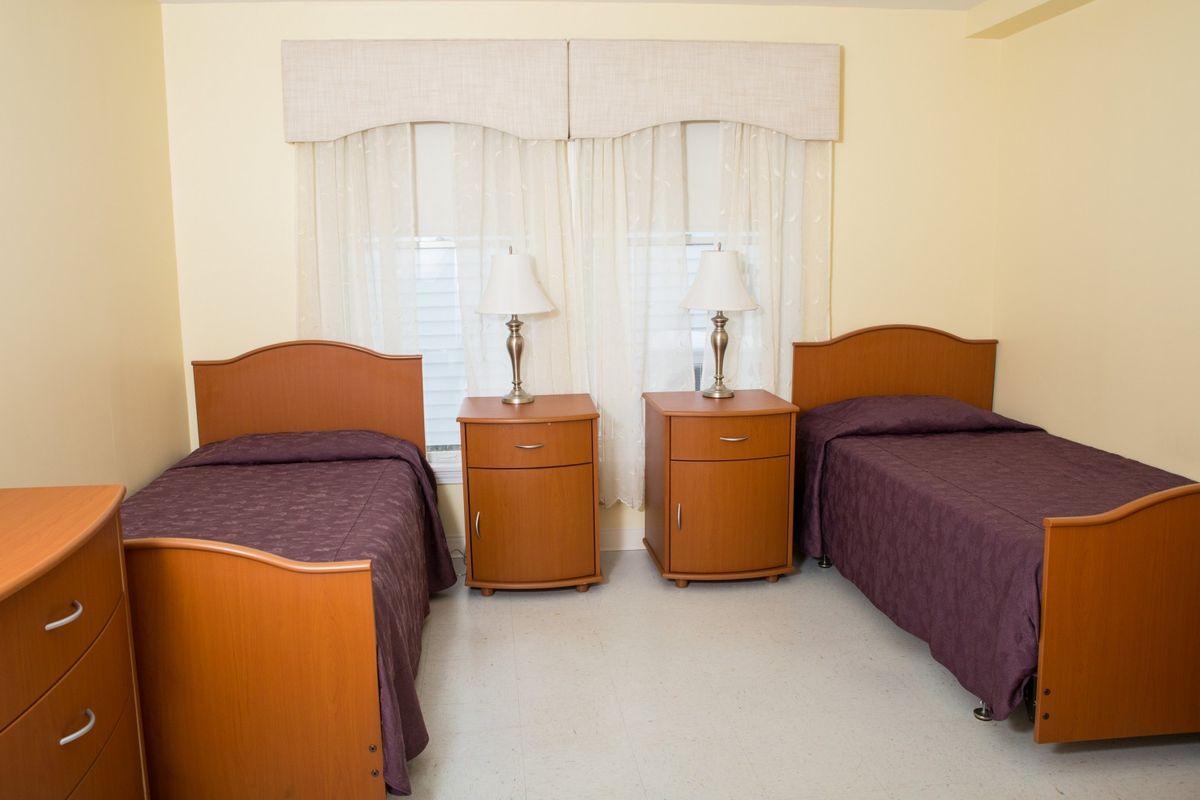
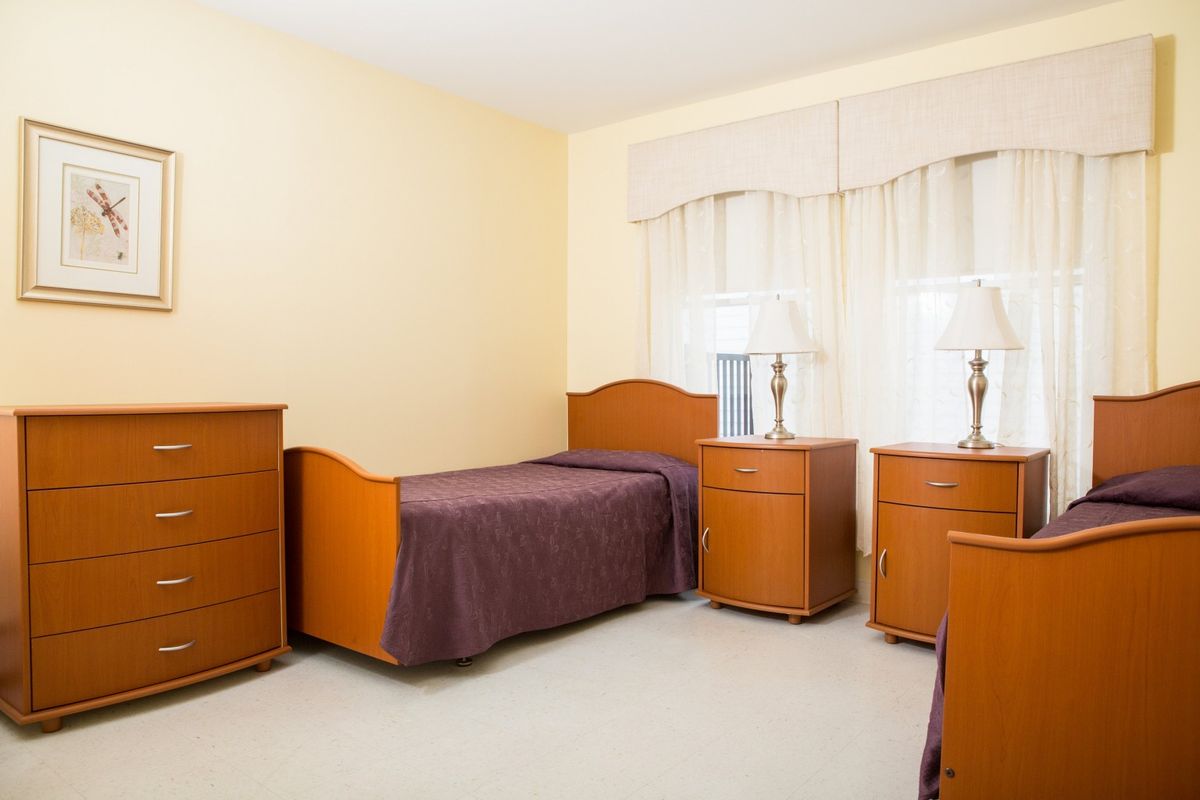
- The Emergency Call System was claimed to be available but was only observed in the bathroom; there were no call buttons beside the bed.
- Staff claimed they had called, but the family said no calls had been received regarding the mother’s condition or passing.
Review
Bayview Manor in Searsport, Maine is best suited for families that must operate as active care advocates, ready to press for timely responses, and willing to accept that day-to-day safety and communication gaps may persist. The most tangible baseline asset for residents who fit this profile is the potential for private accommodations for private-pay residents, with private rooms commonly noted in discussions around the facility. In other words, it may serve as a workable option for households prepared to stay closely involved, monitor every shift change, and push for improved accountability when concerns arise.
Those who should seriously consider alternatives include families prioritizing consistent clinical oversight, reliable emergency response, and transparent, timely communication. If a resident requires robust nursing attention, rapid assistance for falls or sudden health changes, or dependable bedside call coverage, Bayview Manor has demonstrated patterns that undermine these expectations. The experiences shared point to a risk that critical needs, hearing-aid maintenance, call-button access, and prompt medical or nursing intervention, can fall short, particularly when serious events occur or when staff communication lapses are observed.
The main cons are stark and repeatedly corroborated: hearing devices go unreplaced or maintenance is mishandled, with staff sometimes unaware of how to change batteries; a fall can lead to a life-altering injury and prolonged decline; there are documented lapses in monitoring for blood clots or infections; housekeeping appears inconsistent; elopement and abrupt, unsettling gaps in safety are described; and notification protocols fail, with family members learning of a loved one’s passing only after the fact. The combination of these issues creates a risk profile where basic daily care and safety are not reliably guaranteed, and where emotional distress compounds medical risk for residents and families alike.
Pros, when they appear, are largely circumstantial and insufficient to offset the negatives. The facility’s marketed amenities, including nursing services and an Emergency Call System, suggest a baseline level of support that should enhance safety and responsiveness. In practice, however, the Call System is not consistently observed at the bedside, with some reports indicating that call capabilities are limited to bathrooms rather than accessible from a resident’s bed. The existence of private rooms for private-pay residents reflects a comfort feature rather than a core safeguard, and even that advantage does not compensate for recurring care gaps, communication breakdowns, or safety failures. In short, the tangible benefits do not reliably translate into dependable daily care or risk mitigation.
The overall assessment leans decisively toward caution. The strongest case for Bayview Manor rests on residents who can be present, document care needs meticulously, and escalate concerns without hesitation, while accepting that staffing variability may undermine consistent quality. For families who cannot assume constant hands-on management or who require a high degree of clinical precision, alternatives are warranted, facilities with stronger staffing ratios, clearer accountability, and proven, repeatable safety protocols. Prospective residents should demand concrete demonstrations of bedside call responsiveness, a documented approach to hearing-aid maintenance, and a transparent, consistently applied care plan with regular updates.
If Bayview Manor remains under consideration, a disciplined due-diligence approach is essential. Request a detailed, written care plan that specifies nurse availability, fall-prevention measures, and infection-control protocols; insist on direct demonstrations of the bedside call system and accessible emergency response; require a reliable process for notifying family members about health events or changes in condition; and seek references from current families about incident resolution and communication practices. Simultaneously, compare nearby options with stronger reputations for safety, staffing consistency, and proactive communication. The verdict is practical and clear: Bayview Manor may work for highly engaged families, but for those seeking steady, predictable care with minimal reliance on aggressive advocacy, exploring alternatives is not merely prudent, it is advisable.
 30 resident community capacity
 Assisted Living
 Activities on-site
 Beauty salon
 Cable or satellite TV
 Devotional services off-site
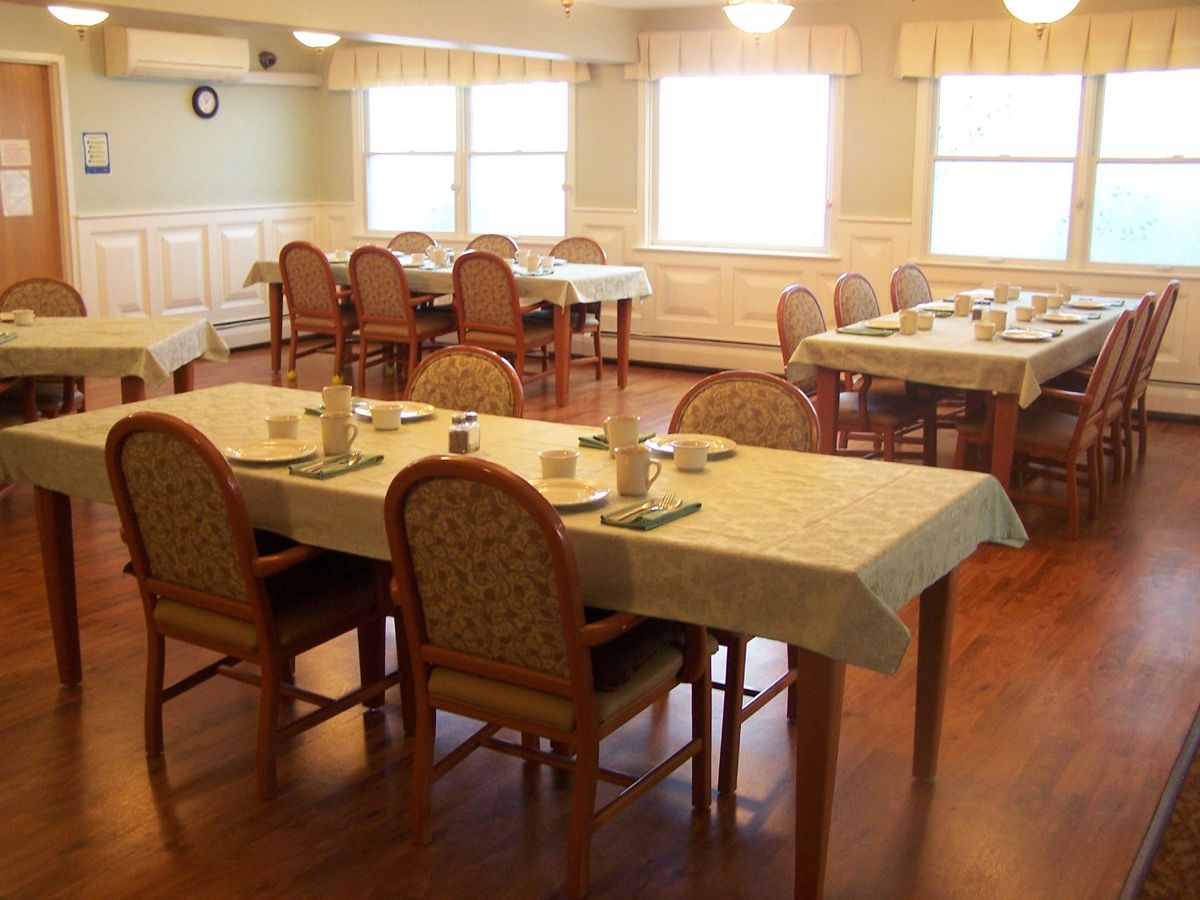
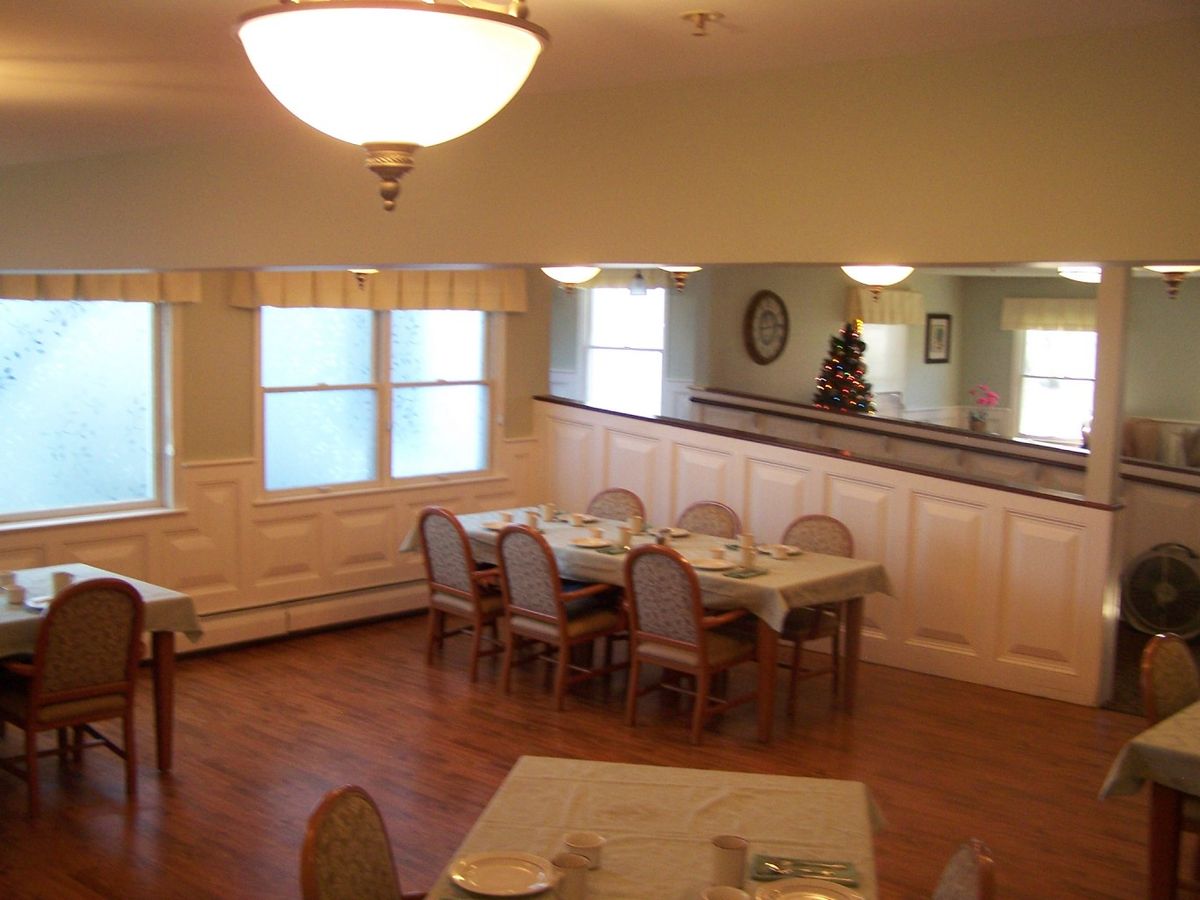
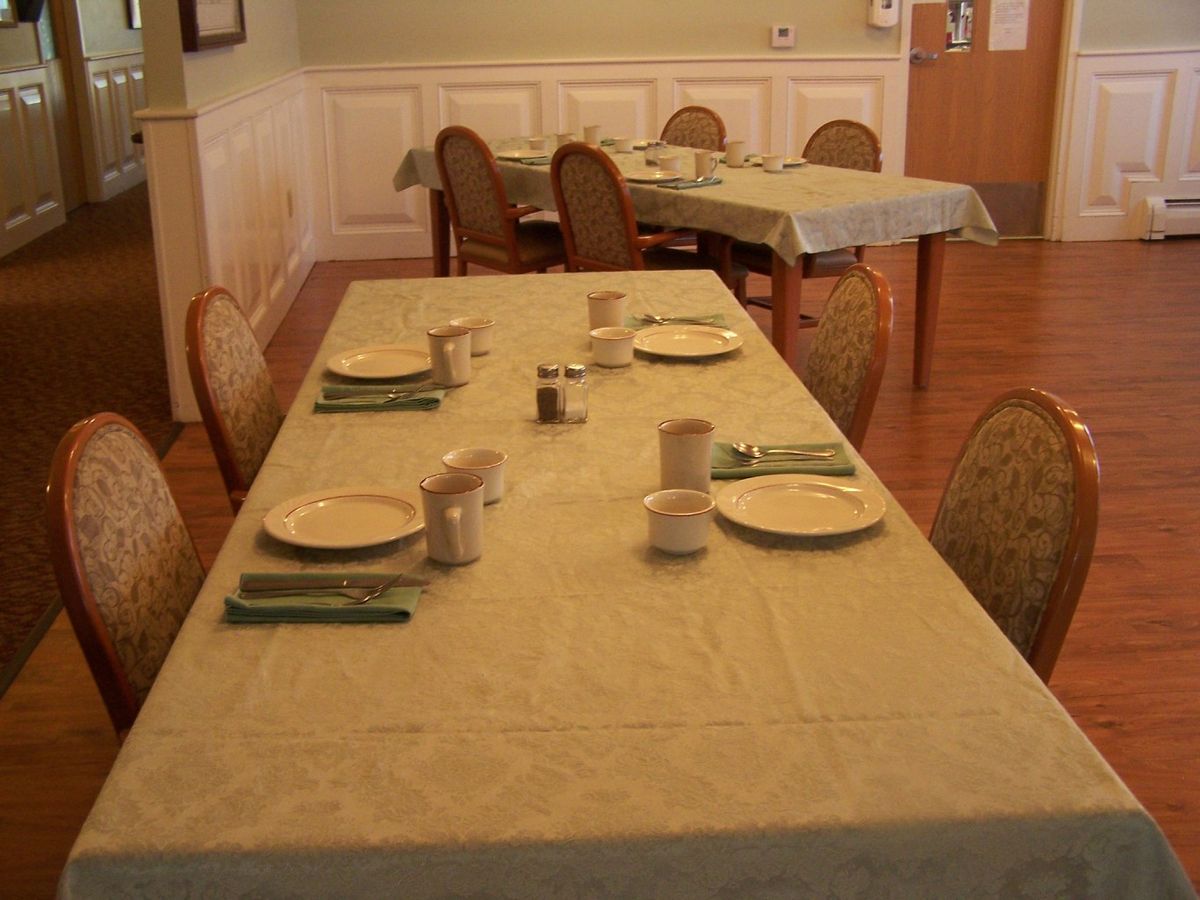
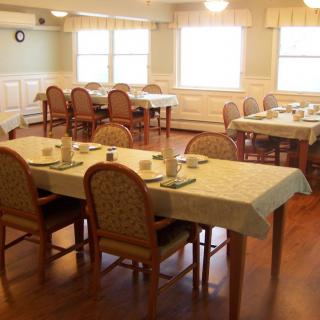
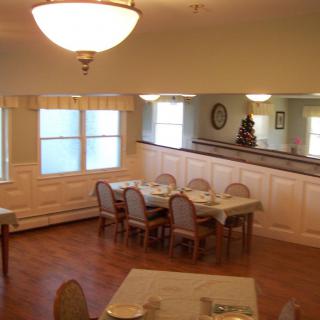
 Dining room
 Fully furnished
 Garden
 Housekeeping services
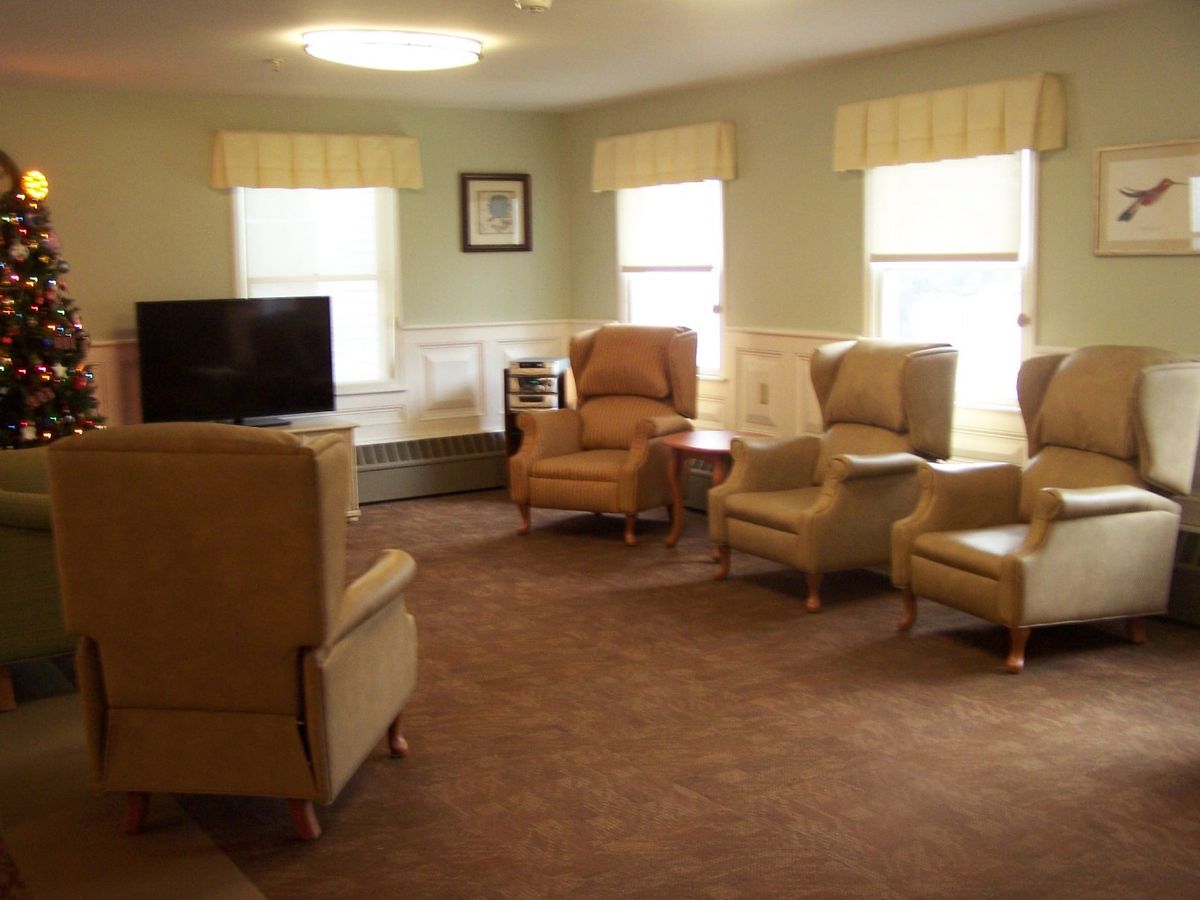
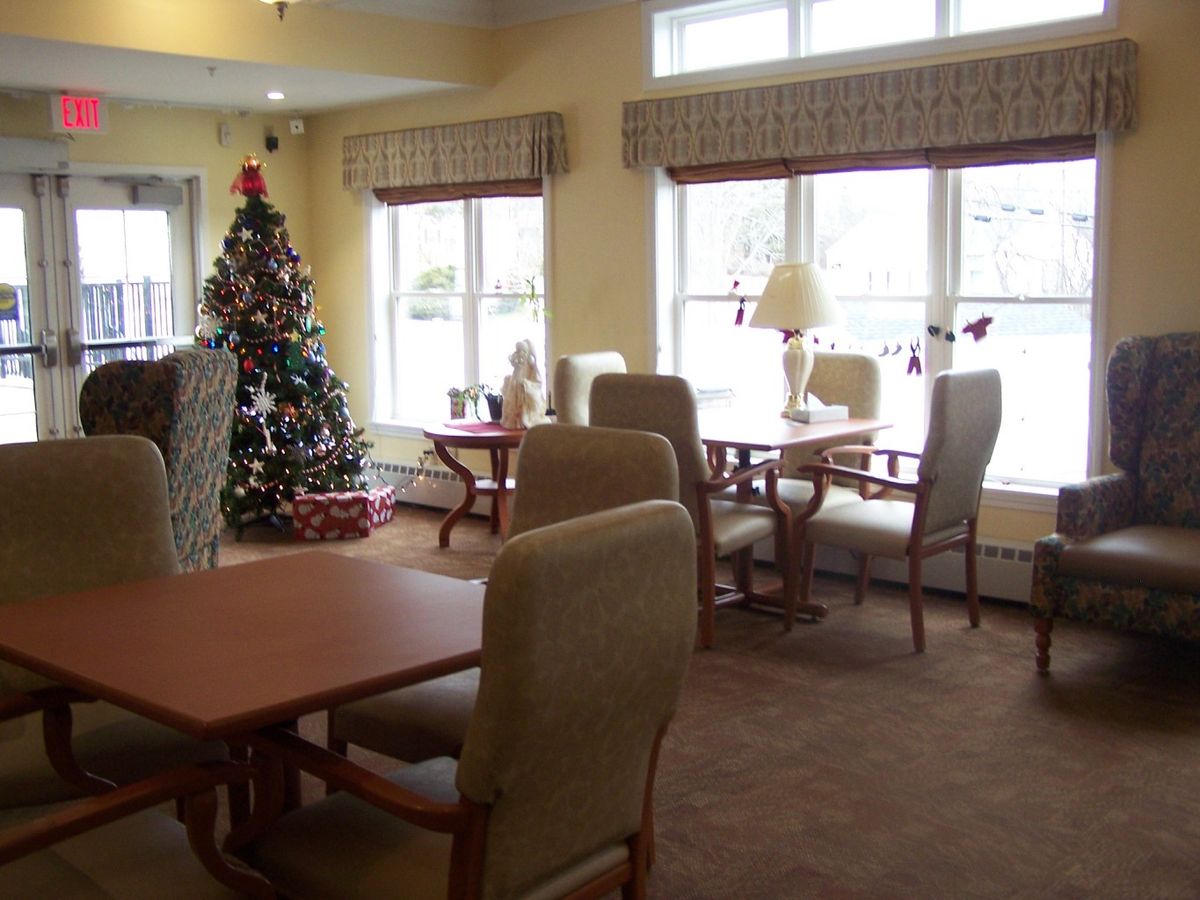
 Indoor common areas
 Kitchenette
 Move-in coordination
 Outdoor space
 Restaurant-style dining
 Small library
 Telephone
 Wi-Fi/high-speed internet available
 Bangor International (25 miles away)
 24-hour call system
 Ambulatory care
 Assistance with bathing
 Assistance with dressing
 Assistance with transfers
 Diabetes diet
 Diabetic care
 Medication management
 Mental wellness program
 Special dietary restrictions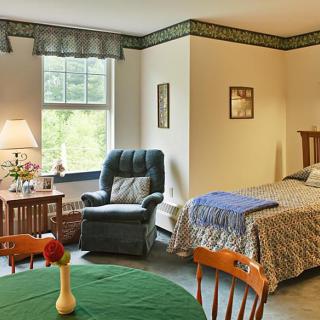
 Compassionate, cohesive staff in a clean, scenic facility with all-inclusive amenities.





 Understanding the Distinctions: Assisted Living and Memory Care Explained
 Guiding Elderly Parents Who Refuse Assisted Living: 6 Practical Steps
 Your Comprehensive Guide to Luxury Assisted Living: Elevated Facilities, Amenities, and Costs