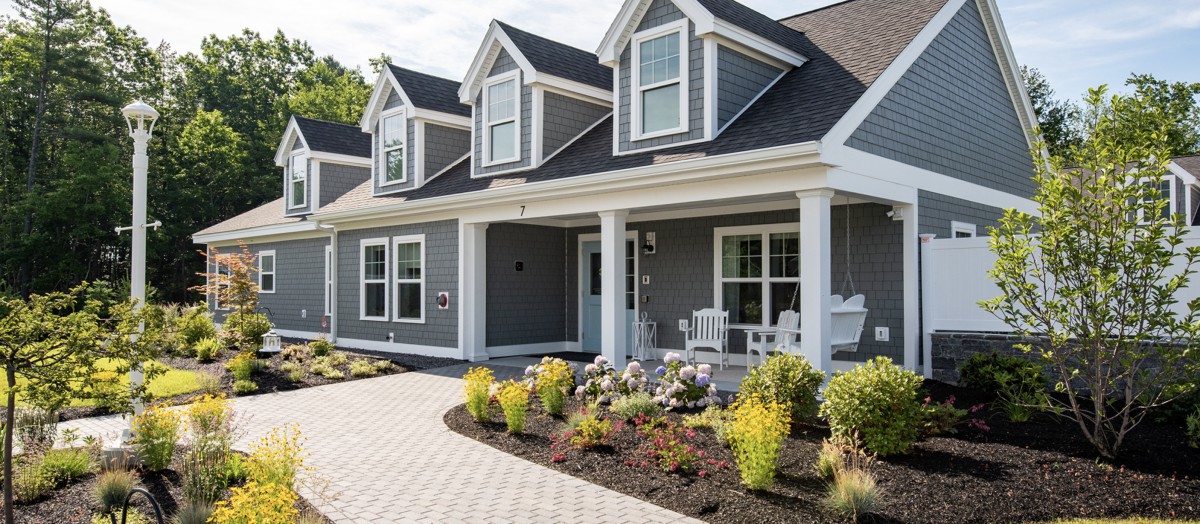
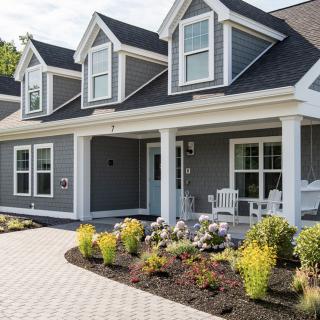
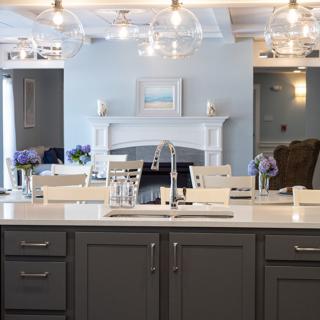
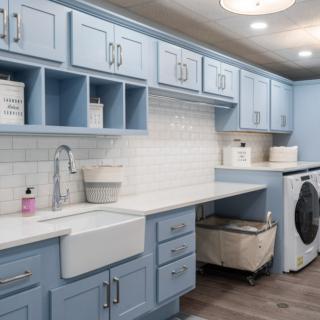

7 Mill Commons Drive, Scarborough, ME 04074
For more information about senior living options: (866) 208-4318
Mooring at The Downs Costs & Pricing
Mooring at The Downs offers a competitive pricing structure for its private rooms, with a monthly cost of $4,390. This rate is notably lower than the average costs in both York County and the state of Maine, where prices stand at $4,726 and $4,625 respectively. By providing quality accommodations at a more attractive price point, Mooring at The Downs positions itself as an appealing choice for those seeking care without compromising on value. This affordability may enhance accessibility for prospective residents while still maintaining high standards of service and comfort.
| Floor plans | Mooring at The Downs | York County | Maine |
|---|---|---|---|
| Private | $4,390 | $4,726 | $4,625 |
Assisted Living communities with a similar price nearby
-
About the same
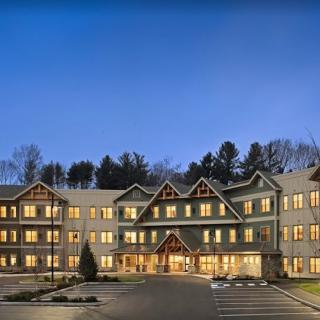
Stroudwater Lodge
$4,300 to $6,560 / month5.3 miles away -
About the same
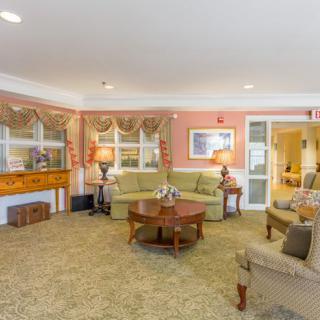
The Landing At Cape Elizabeth
$4,325 to $6,555 / month5.7 miles away -
About the same
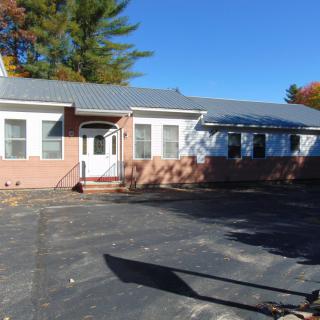
Countryside Adult Family Care Home Assisted Living
$4,500 / month8.5 miles away -
from -$390 / mo
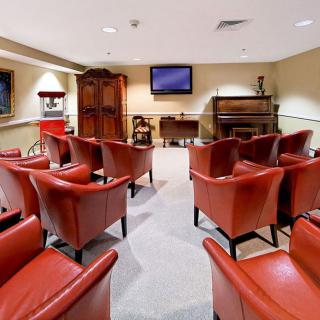
Scarborough Terrace
$4,000 to $8,050 / month0.7 miles away -
from +$505 / mo
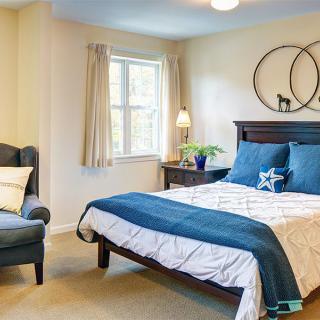
Atria Kennebunk
$4,895 to $6,795 / month16.5 miles away
Overall Review of Mooring at The Downs
Pros
 The facility is described as the best memory care facility around.
- The compassion and care shown by the staff to residents and their families is the real deal.
- The Mooring at the Downs provides the care needed for dementia, with fabulous staff.
- It is a very good facility geared specifically for severe dementia patients.
- It has a favorable resident-to-attendant ratio of about four to one.
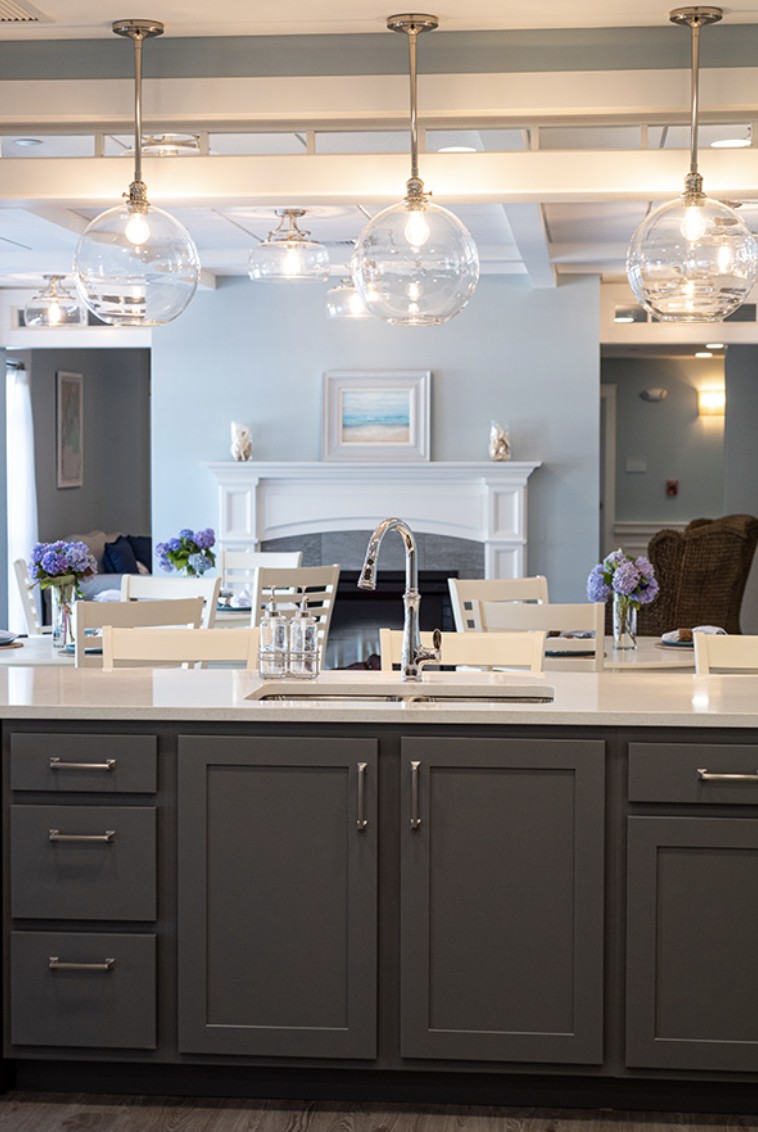
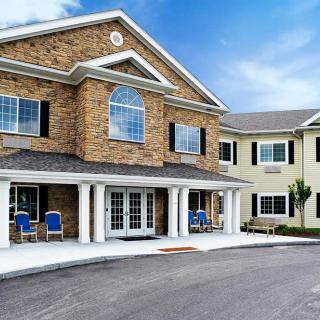
- It is a beautiful, small facility that holds twelve residents.
- The staff are very good and very attentive.
Review
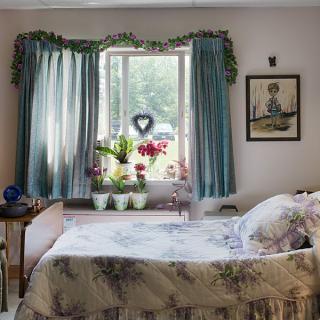
Mooring at The Downs in Scarborough, ME is best suited for families seeking a dementia-focused, highly intimate setting where residents with severe cognitive impairment receive meticulously attentive care. The community is designed around a small, homelike environment, holding about a dozen residents, with a staff ratio of roughly four residents per attendant. That combination delivers a level of personalized attention and hands-on supervision that larger campuses often struggle to match. The emphasis on compassion, direct caregiver-resident engagement, and a calm, focused atmosphere makes it a standout option for those who require rigorous memory care coupled with everyday reassurance.
Those who may want to consider alternatives are families facing milder memory concerns or those seeking a larger social milieu. If a resident does not yet require intensive, dementia-centric supervision, or if the desire is for a more expansive community with more varied social programming and on-site medical resources, a bigger memory-care or assisted-living campus could be a better fit. Similarly, if the need is for broader medical services or more diverse activity choices that scale with a larger resident base, it pays to explore options beyond this tightly focused setting. The Mooring’s strengths become a limitation when the aim is a broader, more generalized senior living experience.
The core advantages here, exceptional staff attentiveness, specialized dementia programming, and a small, navigable footprint, offset the potential drawbacks of a limited population. With roughly four residents per caregiver, the level of supervision remains consistently high, reducing the risk of agitation or unsafe moments and enabling highly individualized care plans. The facility’s small size fosters meaningful, day-to-day connections between residents and staff, which translates into stable routines, timely redirection, and personalized engagement. Daily outings and the presence of a dedicated van further counterbalance any potential downsides by maintaining purposeful activity and a sense of normalcy in a resident’s day.
In practice, the setting delivers tangible outcomes for residents with severe dementia. The campus is described as beautiful and safe, with an outdoor area that invites purposeful wandering and fresh-air experiences. The emphasis on getting residents out daily supports physical health, mood stabilization, and cognitive stimulation, factors that matter deeply in memory care. The same staff who provide direct care also cultivate family involvement, reinforcing continuity and reassurance for loved ones. This combination of a secure, well-maintained environment and proactive engagement creates a reliable foundation for quality of life, even as cognitive needs remain demanding.
Practical decision factors reinforce the suitability for the right family. Admission capacity is naturally limited by the small resident cohort, so intake can be selective, but the payoff is a transparent, highly attentive care dynamic once a place is available. The Scarborough location means proximity to the surrounding community and families in southern Maine, which matters for frequent visits, transport to appointments, and participation in residents’ daily routines. Families should be prepared for a highly structured dementia-care environment where staff are accustomed to partnering with families, providing regular updates, and adjusting strategies as cognitive needs evolve.
The bottom-line recommendation is clear: Mooring at The Downs stands out as a practical, high-value choice for residents with severe dementia who thrive on intimate caregiving, consistent routines, and meaningful daily engagement. The combination of a small, focused setting, an outstanding caregiver ratio, compassionate staff, and accessible outdoor space creates a secure, dignified living environment where quality of life can be preserved and even enhanced. If a resident requires a larger community, broader programming, or more on-site medical resources, alternatives should be explored; however, for families prioritizing individualized attention and a dementia-centered approach, Mooring at the Downs delivers decisively.
 13 resident community capacity
 Assisted Living
 Cable or satellite TV
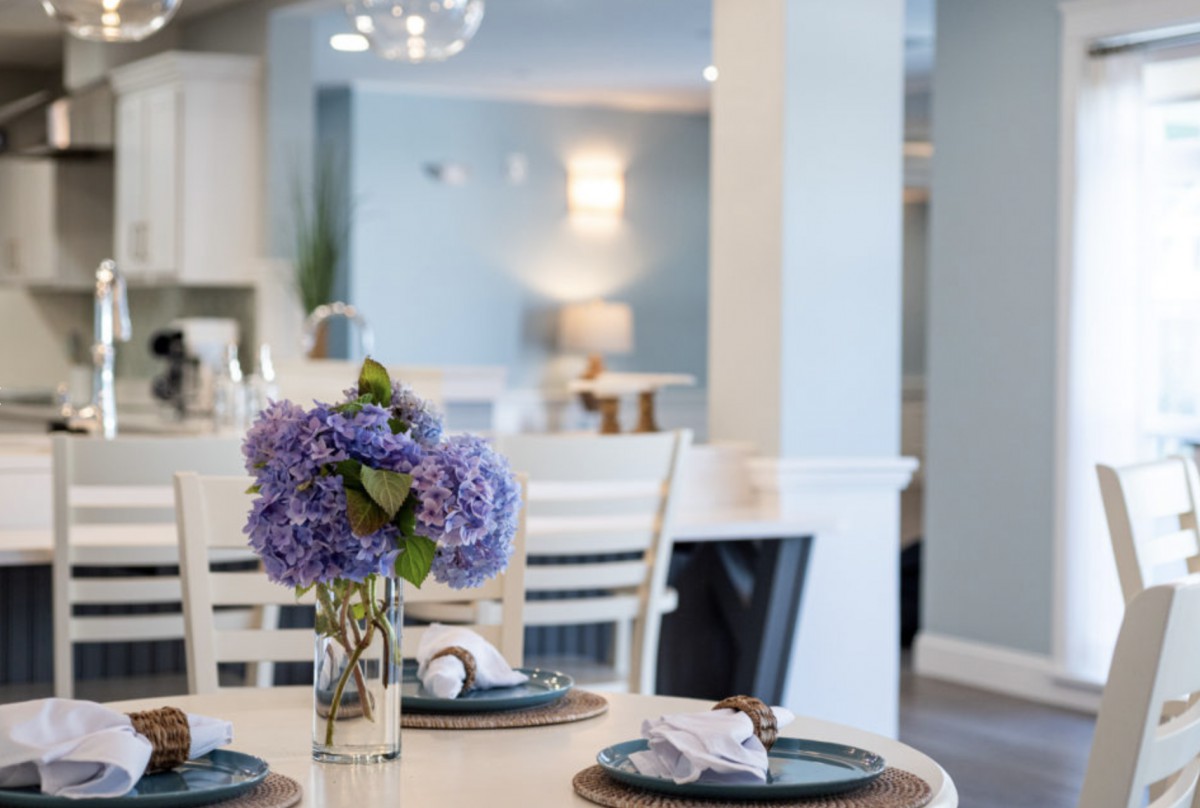
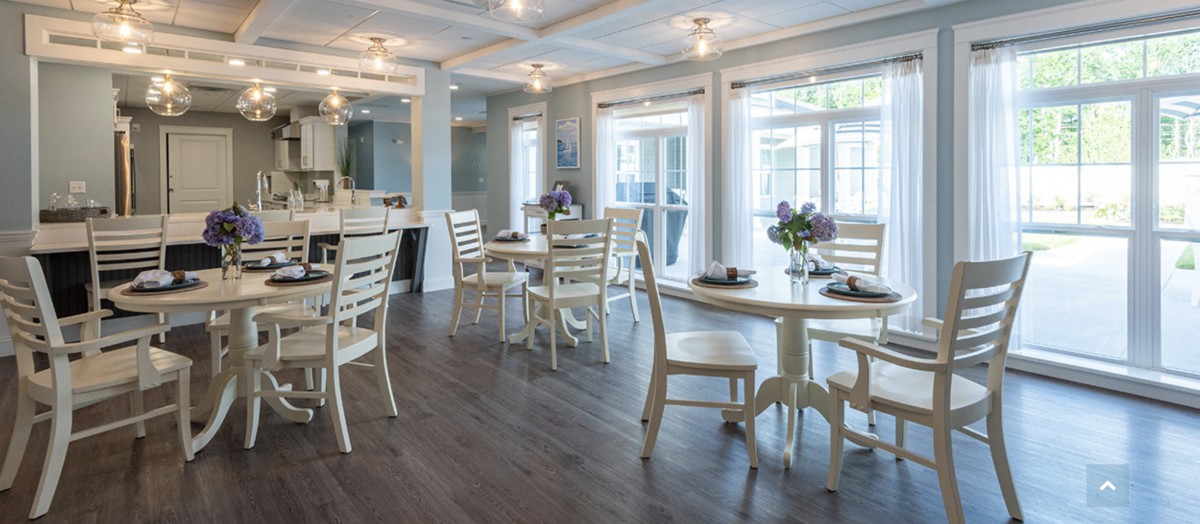
 Dining room
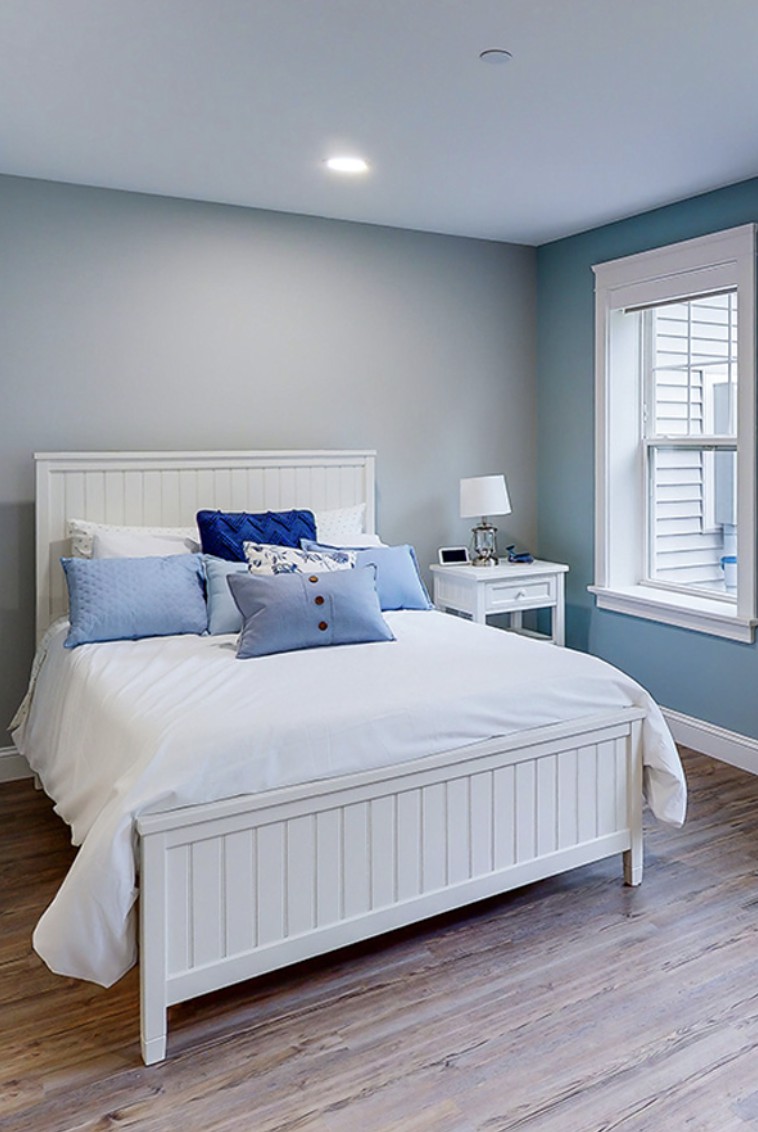
 Fully furnished
 Garden
 Housekeeping services
 Move-in coordination
 Outdoor space
 Telephone
 Wi-Fi/high-speed internet available
 Portland International Jetport (4 miles away)
 24-hour supervision
 Activities of daily living assistance
 Assistance with bathing
 Assistance with dressing
 Assistance with transfers
 Diabetes diet
 Meal preparation and service
 Medication management
 Special dietary restrictions
 Transportation arrangement (medical)
 Transportation to doctors appointments



 Choosing the Right Senior Care: A Detailed Exploration of Assisted Living and Nursing Homes
 Understanding the True Cost of Assisted Living in 2025: A Comprehensive Guide
 Understanding Medicaid Coverage for Assisted Living: A Comprehensive Guide