43 Middle Street, Saco, ME 04072
For more information about senior living options: (866) 208-4318
Overall Review of The Wardwell Retirement Neighborhood
Pros
 The Wardwell tenants are the nicest and happiest people.
- Wardwell does a great job taking care of the residents.
- Wardwell is a great place for the elderly.
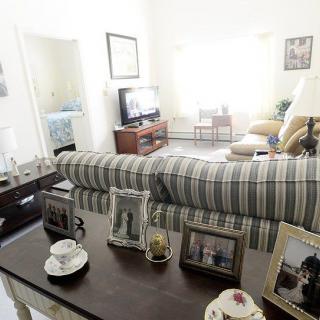
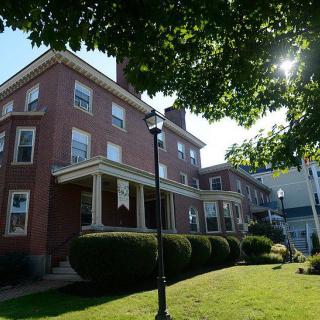
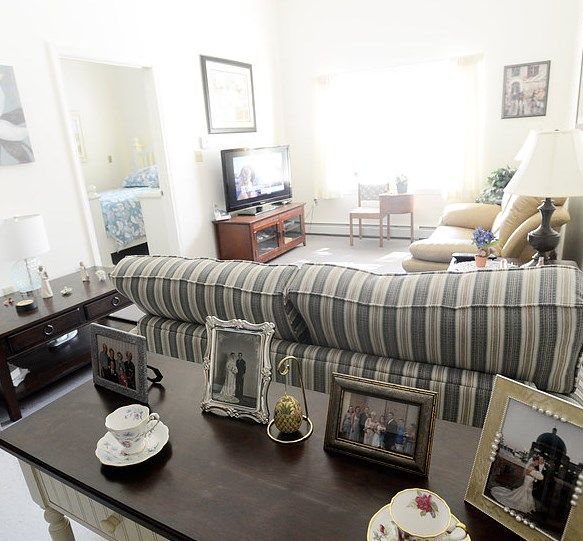
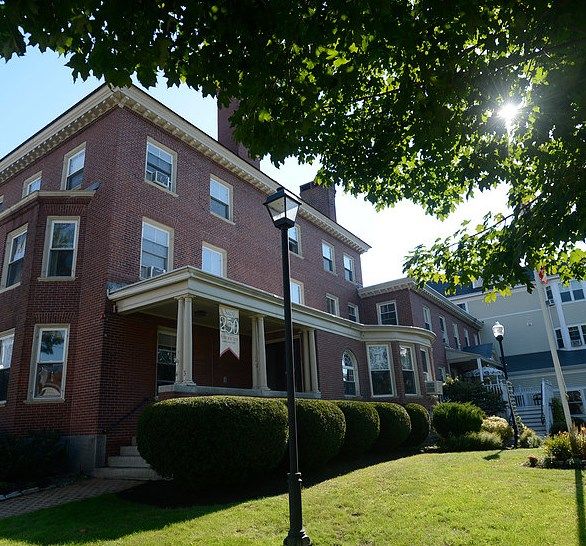
- The apartments are very nice and well situated in a good neighborhood.
- Wardwell is a clean, friendly retirement community.
- Wardwell is an incredible facility with amazing staff.
Cons
 Under new management, Wardwell has had a large turnover of staff and unrepaired items, and the complex is not as well kept.
- The staff are rarely seen anymore, whereas they were around on almost every visit.
- The winter policy to not assist non-assisted living residents with clearing or shoveling around their vehicles leaves elderly tenants to fend for themselves in snowstorms.
- Wardwell claims they do not have the funds to offer this service anymore, yet the same service is still offered in subsidized units.
- This change leaves many 80-year-olds to move their cars and clear snow during a snowstorm.
- Non-assisted living residents pay full price for their units, even though the facility is not as well kept as before.
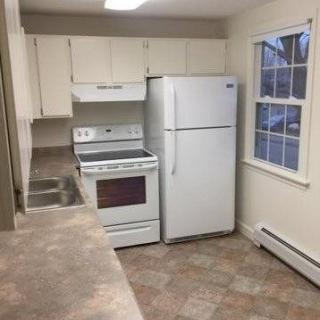
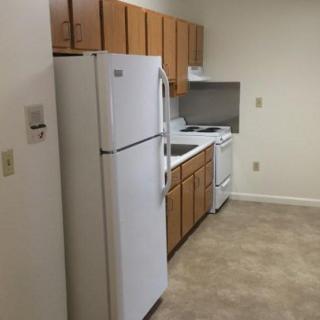
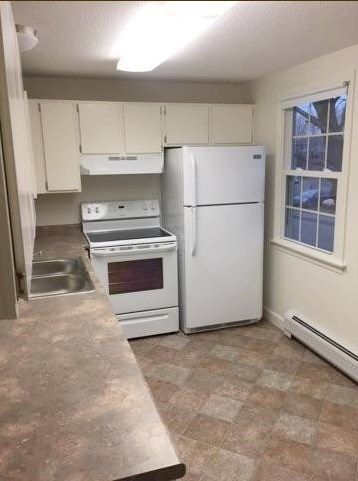
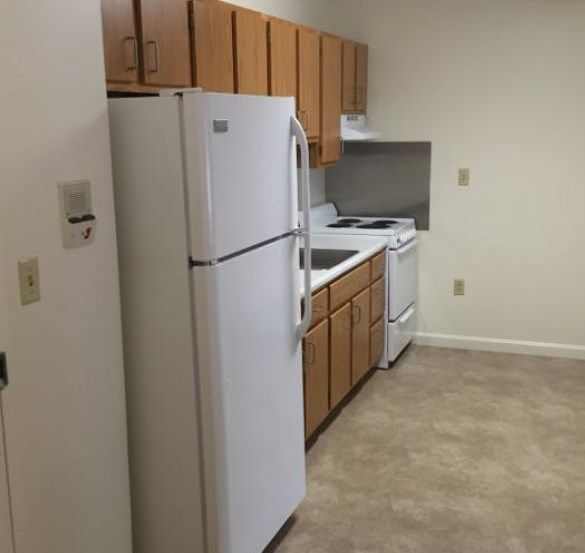
- The rooms are smaller and do not have a small kitchen facility available to residents.
Review
This community is best suited for active seniors who want a lively, socially rich environment in Saco, Maine, with a strong sense of belonging and a transparent sense of value. Wardwell effectively serves residents who do not require hospital-level care but still want reliable assistance, medication management, and a broad calendar of outings, classes, and social events. It works well for those who prize affordability without sacrificing warmth, and for families seeking a nurturing, almost family-like atmosphere where neighbors know one another and staff routinely engage in meaningful activities. The blend of independent living with optional assisted services makes it a practical fit for residents who want to stay engaged and independent while having support on hand when needed.
Those weighing alternatives should consider memory care or higher acuity needs. The property’s strongest appeal is its social fabric and cost, but it does not operate as a comprehensive memory-care or skilled-nursing facility. For seniors who require intensive daily assistance, ongoing 24/7 supervision, or specialized clinical programs, a community with dedicated memory-care wings or on-site nursing would likely deliver more consistent, professional support. Prospective residents who expect uniform upkeep and a consistently full staff presence may also want to compare other options, particularly if a clean maintenance standard and visible round-the-clock assistance are nonnegotiable.
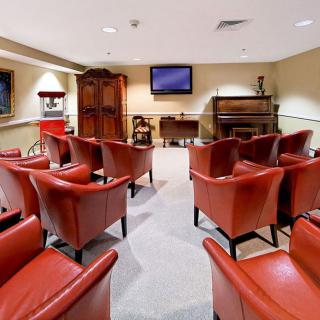
The main positives, a warm, welcoming resident base; abundant activities and trips; and staff that feels like family, do a lot of heavy lifting here. Reviews repeatedly note a strong sense of community, with residents socializing in common areas, engaging in puzzles, Bingo, books, and group outings, along with regular wellness activities and exercise opportunities. The staff is described as attentive, capable of medication administration, and genuinely invested in residents’ well-being. Apartments are described as nice and well-located, contributing to daily convenience and a pleasant living environment. For families prioritizing social vitality and personal connection, these elements offset many other trade-offs.
However, turnover under new management, repair delays, and fluctuating visibility of staff point to reliability gaps that cannot be ignored. When maintenance or housekeeping slips, the overall living experience can feel less cared-for, and some residents will notice the disconnect between the initial warmth and the more practical, day-to-day realities. The winter-season concern about non-assisted residents’ snow removal and vehicle clearance illustrates how service equity can fray, even when other residents still receive core support. The contrast between older and newer sections also signals variation in space, amenities, and perhaps upkeep, with some units offering smaller rooms and no private kitchen facilities, impacting resident independence and comfort.
The pros offset the cons most effectively for residents who value community, affordability, and a dependable level of daily support. The social calendar and the proactive staff interactions create meaningful days that lessen the impact of occasional maintenance or staffing hiccups. Being able to rely on medication administration, enjoying organized meals out, and benefiting from practical acts of care, like room-ready housekeeping and even trousers ironing, demonstrates a level of service that many budget-conscious operators aspire to but seldom match. For families, Wardwell presents a compelling balance: it preserves independence and affords social engagement without the price tag of higher-end facilities, provided expectations align with the realities of staffing cycles and maintenance variability.
In practical terms, families evaluating Wardwell should schedule multi-visit tours, ask precise questions about current staffing levels, maintenance turnaround times, and snow-removal protocols, and inspect a few different apartment styles to judge size and livability. Inquire about memory-care options nearby or within the same network, confirm how medications are managed across shifts, and review the structure of pricing, especially for non-assisted residents paying full unit price. For those prioritizing a vibrant community at a reasonable cost, Wardwell delivers with noticeable warmth and activity. For anyone needing consistent, high-acuity care or pristine, uniform upkeep year-round, it may be wise to explore other communities that place a premium on uninterrupted service and predictable maintenance.
 18 resident community capacity
 Assisted Living
 Board and Care Home
 Cable or satellite TV
 Dining room
 Fully furnished
 Garden
 Housekeeping services
 Move-in coordination
 Outdoor space
 Telephone
 Wi-Fi/high-speed internet available
 Portland International Jetport (12 miles away)
 24-hour supervision
 Activities of daily living assistance
 Assistance with bathing
 Assistance with dressing
 Assistance with transfers
 Diabetes diet
 Meal preparation and service
 Medication management
 Special dietary restrictions
 Transportation arrangement (medical)
 Transportation to doctors appointments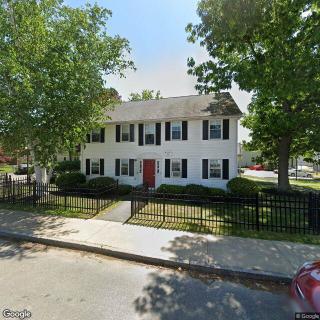


 Funding and Affording Assisted Living: A Thorough Overview
 Assisted Living Expenses and Long-Term Care Insurance: A Comprehensive Exploration
 Securing Financial Support for Assisted Living: A Comprehensive Overview