
244 Jenkins Road, Saco, ME 04072
For more information about senior living options: (866) 208-4318
Butler House - Jenkins Costs & Pricing
Butler House - Jenkins offers competitive pricing for its residents, providing a range of room types that cater to varying needs. For semi-private accommodations, the cost is $4,358 per month, which is slightly above the York County average of $4,200 but remains below the state average of $4,685. In terms of private rooms, Butler House rates are set at $5,229 monthly - higher than both the county's average of $4,726 and Maine's state average of $4,625. Lastly, for studio units, residents can expect a monthly fee of $5,665, positioning it again above York County's average of $4,996 and also exceeding the state's typical cost of $4,889. Overall, while Butler House - Jenkins tends to be on the higher end compared to its local counterparts in York County and Maine as a whole, it offers a specialized living experience that may justify these costs for prospective residents seeking quality care and comfort.
| Floor plans | Butler House - Jenkins | York County | Maine |
|---|---|---|---|
| Semi-Private | $4,358 | $4,200 | $4,685 |
| Private | $5,229 | $4,726 | $4,625 |
| Studio | $5,665 | $4,996 | $4,889 |
Assisted Living communities with a similar price nearby
-
About the same
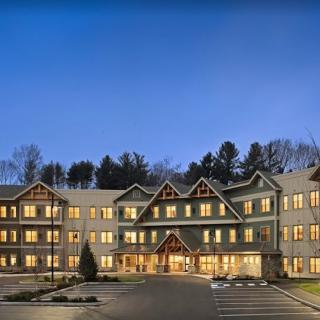
Stroudwater Lodge
$4,300 to $6,560 / month8.9 miles away -
About the same
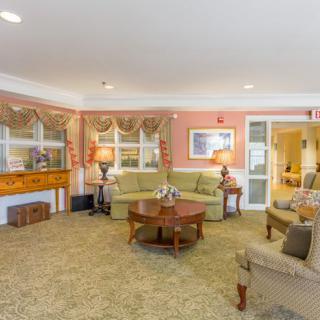
The Landing At Cape Elizabeth
$4,325 to $6,555 / month10.3 miles away -
from +$142 / mo
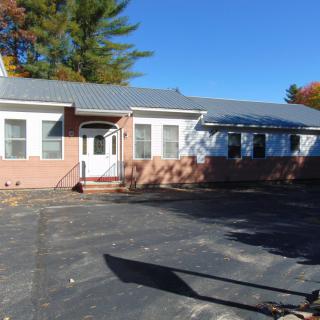
Countryside Adult Family Care Home Assisted Living
$4,500 / month6.7 miles away -
from -$358 / mo
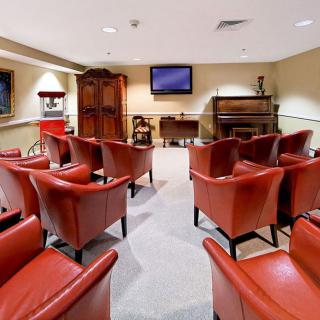
Scarborough Terrace
$4,000 to $8,050 / month5.1 miles away -
from +$537 / mo
Atria Kennebunk
$4,895 to $6,795 / month12.2 miles away
Overall Review of Butler House - Jenkins
Pros
 She has a nice place.
- She has lived there for many years.
- Her long residence there shows stability and familiarity.
Cons
 The door-entry system is ridiculous.
- There is never anyone in the office.
- A 92-year-old must traipse down the hallway to be let in.
- The overall setup seems ludicrous.
Review
Butler House - Jenkins in Saco, ME is best suited for seniors who prize stability, a familiar neighborhood feel, and a home-like atmosphere over modern conveniences. The residence has a long-standing footprint and a history of tenants aging in place, which can be comforting to families who value continuity and a sense of belonging. For residents who handle modest friction in exchange for a cherished address, this community can deliver a steady, low-key living environment. It works best when the resident is independent enough to navigate a building without expecting a fully staffed front desk or streamlined guest policy to be flawless every day.
Those who require reliable daily office support, predictable visitor access, or proactive management should consider alternatives. Prospective residents and their families should note that staffing appears sporadic, and the absence of a responsive on-site office creates a risk that simple questions or scheduling needs won’t be handled promptly. If frequent administrative assistance, escorted access for guests, or secure, easily navigable entry procedures are priorities, this community may fall short. In short, this is not a fit for caregivers who rely on consistent local oversight and transparent, user-friendly operations.
On the upside, the property is described as a nice place to live, and longevity matters. A long-tenured resident can signal a stable, comfortable home where routines become predictable and neighbors become a familiar support network. The draw of a well-loved unit, likely with familiar staff and a settled social circle, can provide emotional comfort for an older adult who dislikes disruption. The potential for a sense of belonging is real, especially for families who want a steady address without frequent transitions.
However, the operational misses undermine those advantages. The entry process requires visitors to buzz in at a resident’s apartment, then walk down the corridor to gain entry, an arrangement that places an unnecessary burden on an elderly person who may already face mobility or cognition challenges. The lack of on-site office presence compounds the risk, making it hard to coordinate deliveries, arrange visits, or resolve small problems without a lengthy phone call or door-buzz round-trip. Even routine administrative tasks can stall when staff aren’t physically available, leaving residents and families frustrated.
Do the warm, homey vibes and long-standing residency offset the friction? In this case, the balance tilts toward the negative. The core inconveniences are not minor quirks; they directly affect safety, social connection, and peace of mind. For a new resident or a family that values straightforward access and dependable management, the drawbacks are likely to outweigh any comfort of place. Those seeking a carefree, well-supported living arrangement should not overlook the impact of an under-staffed office and a cumbersome entry protocol on daily life.
Before making a decision, potential residents should test-drive the experience: visit at various times, ask about office hours and how issues are resolved, and observe how easily guests can be accommodated. Ask directly how often staff are on-site, what steps exist for urgent needs, and whether guest access can be streamlined. If ease of entry, predictable administration, and responsive management are must-haves, this community should be passed over in favor of options with stronger on-site presence and simpler visitor policies. For families prioritizing stability but requiring reliable support, pursue communities with documented, accessible management and guest-friendly procedures.
 8 resident community capacity
 Assisted Living
 Cable or satellite TV
 Dining room
 Fully furnished
 Garden
 Housekeeping services
 Move-in coordination
 Outdoor space
 Telephone
 Wi-Fi/high-speed internet available
 Portland International Jetport (9 miles away)
 24-hour supervision
 Activities of daily living assistance
 Assistance with bathing
 Assistance with dressing
 Assistance with transfers
 Diabetes diet
 Meal preparation and service
 Medication management
 Special dietary restrictions
 Transportation arrangement (medical)
 Transportation to doctors appointments


 Assisted Living and Memory Care: Understanding Their Core Differences
 Beyond the Bingo Hall: 50+ Enriching Activities for Seniors in Assisted Living
 Understanding the Distinctions: Assisted Living and Memory Care Explained