

640 Ocean Ave, Portland, ME 04103
To contact a resident: (207) 775-4111
For more information about senior living options: (866) 208-4318
Atrium At Cedars Costs & Pricing
Atrium At Cedars offers competitive pricing for its services compared to the broader market in Cumberland County and the state of Maine. For semi-private accommodations, Atrium At Cedars charges $3,604 per month, which is significantly lower than the county average of $5,192 and also below the state average of $4,685. This positions Atrium as an attractive option for those seeking affordable care without compromising on quality. In terms of private rooms, the monthly cost at Atrium is $4,324 - slightly above Cumberland County's rate of $4,382 but still under the state average of $4,625. Overall, Atrium At Cedars provides residents with a financially appealing choice within a competitive landscape.
| Floor plans | Atrium At Cedars | Cumberland County | Maine |
|---|---|---|---|
| Semi-Private | $3,604 | $5,192 | $4,685 |
| Private | $4,324 | $4,382 | $4,625 |
Assisted Living communities with a similar price nearby
-
from +$696 / mo
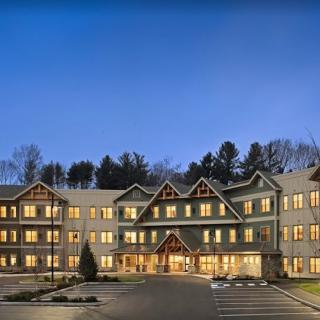
Stroudwater Lodge
$4,300 to $6,560 / month4.6 miles away -
from -$484 / mo
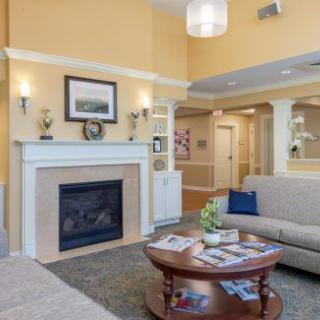
Avita Of Brunswick
$3,120 to $4,310 / month22.7 miles away -
from +$396 / mo
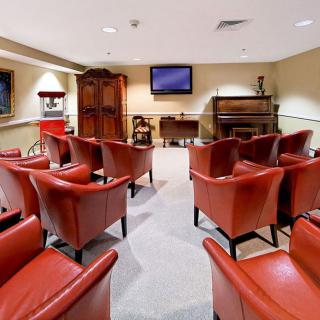
Scarborough Terrace
$4,000 to $8,050 / month8.3 miles away -
from -$704 / mo
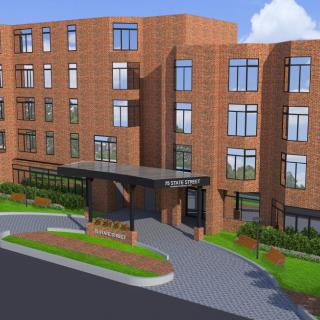
75 State Street
$2,900 to $4,500 / month2.6 miles away -
from +$488 / mo

Huntington Common
$4,092 to $5,319 / month23.7 miles away
Overall Review of Atrium At Cedars
Pros
 The Atrium at Cedars is praised for its high-quality service and facilities.
- The staff are incredibly friendly and attentive, with residents’ well-being at heart.
- The community is described as wonderful and engaging, with residents staying busy and involved.
- New residents are supported by an ambassador program that introduces them and helps them mingle through rotating dining partners.
- The dining is fantastic, with restaurant-quality meals and plenty of daily choices.
- The facility is well kept and offers appealing amenities such as a pool, a movie theater, and a private dining room for family events, plus gardening opportunities for residents.
Review
The Atrium At Cedars is best suited for active, socially oriented seniors who want independent living with a vibrant, resident-led sense of community. This is a place where daily life centers on connection, engaging activities, and restaurant-quality dining, all delivered with staff warmth and attentiveness that new residents quickly feel. It is not the right match for those who require ongoing skilled nursing, memory care, or intensive medical supervision, nor for individuals seeking a quiet, ultra-private, low-traffic environment where the emphasis is off-site independence rather than built-in programming.
The strongest pull here is the staff and the culture they create. Residents describe an incredibly friendly, caring team that treats each person as a member of a large, welcoming family. The onboarding is thoughtful: an ambassador is assigned to help new residents navigate the move, meet neighbors, and start forming routines from day one. That proactive, person-first approach makes the adjustment from a larger home to apartment living feel less daunting, and it directly feeds the lively pace of life, where guests can attend as many or as few activities as they wish without ever feeling pressured to participate.
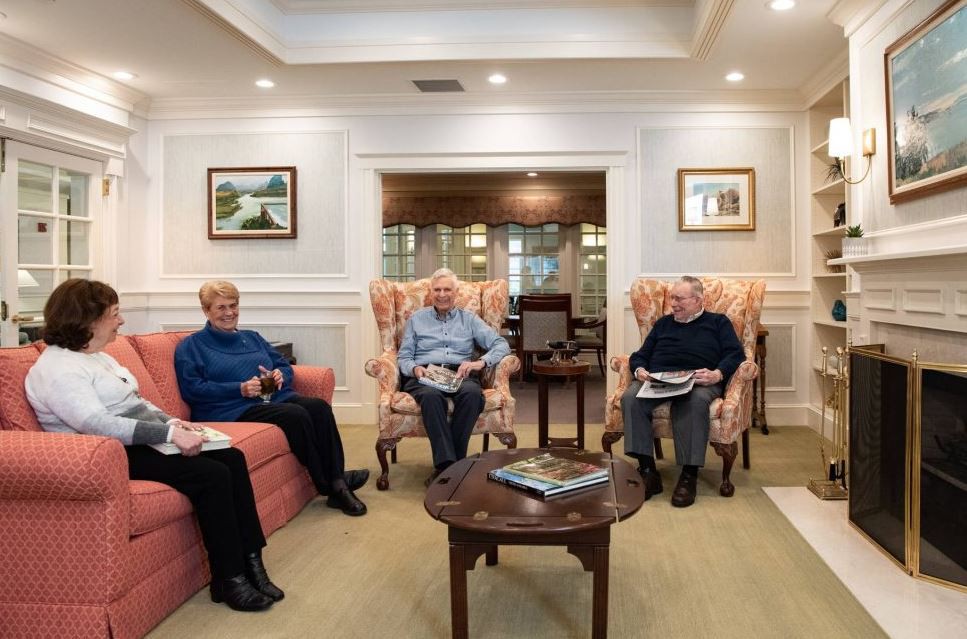
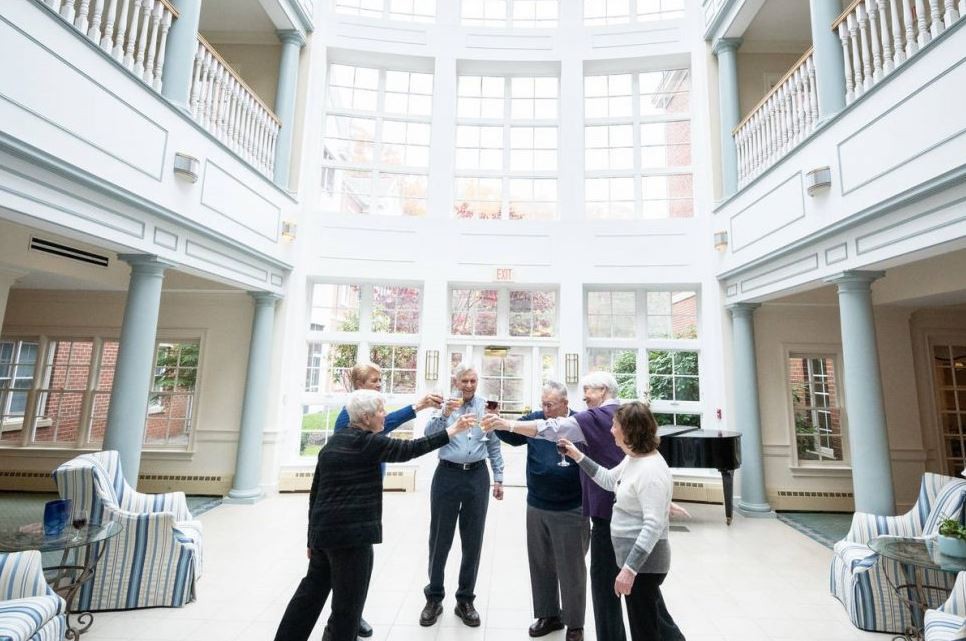
Dining and social programming stand as standout differentiators. The meals are routinely described as fantastic, with daily choices that rival top local options. Beyond the kitchen, the calendar is rich: trips around the area, theme days, and a rotating slate of events ensure there is always something meaningful to do. The staff deliberately curates social opportunities, including rotating dining partners to facilitate mingling and prevent isolation. The result is a community where residents stay connected, retain independence, and still enjoy the camaraderie that makes senior living feel like a community rather than a corridor of activities to check off.
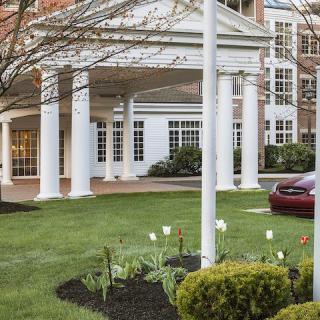
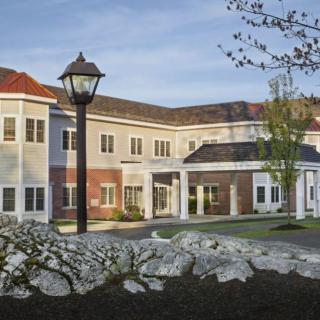
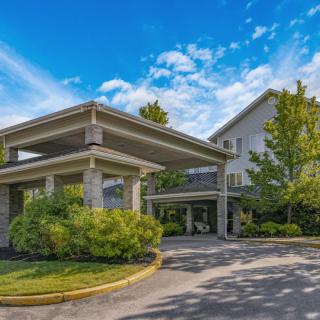
Amenities reinforce the sense of place and purpose. The Atrium At Cedars sits in a well-kept, conveniently located facility that doesn’t just tick boxes but invites engagement through thoughtful spaces: a pool, a movie theater, and a private dining room for family events, all of which support both recreation and family connection. For residents with hobbies, the opportunity to garden remains meaningful: a screened-in porch, raised beds, and a communal greenhouse accommodate gardening interests and provide sensory and restorative activity. These tangible perks, coupled with high staff availability, help sustain pressure-free days and meaningful routines.
When weighing the pros against potential drawbacks, the positives clearly offset the main constraints. The transition to apartment living can feel like a loss of space and privacy, but the ambassador program plus a consistently strong sense of community mitigate that hurdle. The restaurant-grade dining, flexible programming, and abundant social opportunities counterbalance the less private nature of a communal setting. The facility’s upkeep, safety, and curated events further reduce concerns about isolation or stagnation, making the environment feel active rather than crowded.
Ultimately, this community shines for families seeking a dynamic, engaging independent-living option where high-quality meals, attentive care, and an energetic social calendar are non-negotiables. It is less suitable for residents who require constant medical oversight, specialized memory-care programming, or a more serene, minimalist lifestyle with minimal on-site activity. Prospective residents should prioritize a tour to meet the team, sample the dining, and observe how ambassadors integrate new neighbors into ongoing routines. Inquire about the current activity calendar, dining rotations, and the specific ways staff facilitate social connection, these are the threads that keep life at the Atrium At Cedars so compelling.
 Assisted Living
 Activities on-site
 Devotional services off-site
 Indoor common areas
 Portland International Jetport (4 miles away)
 Ambulatory care
 Diabetic care
 Meals provided


 Funding and Affording Assisted Living: A Thorough Overview
 Assisted Living Expenses and Long-Term Care Insurance: A Comprehensive Exploration
 Securing Financial Support for Assisted Living: A Comprehensive Overview