Washington II in Portland, ME

690 Washington Avenue, Portland, ME 04103

For more information about senior living options: (844) 490-3973

3 from 4 reviews
5 stars
2
4 stars
0
3 stars
0
2 stars
0
1 stars
2

Assisted Living

What level of care are you interested in?

Assisted Living

Memory Care

Independent Living

Skilled Nursing Facility

Continuing Care Retirement Community (CCRC)CCRC

Other


Request a tour at Washington II

    Overall Review of Washington II

    Pros

    • pro It offers a full day out, with a walk from the mansion through the arboretum to the Rose Gardens and the Japanese Gardens.
    • pro Mentorship is a featured element, indicating supportive guidance during the visit.
    • pro The experience includes a zoo and many other attractions, suggesting a rich variety.

    Cons

    • pro The reviewer states that the place is awful.
    • pro The reviewer notes that the office staff were rude.

    Review

    Washington II in Portland, ME is best suited for active seniors who prize a lively, program-rich environment with easy access to outdoor interests. The campus-style setting, suggested by references to a mansion-like atmosphere, supports days filled with guided exploration and social engagement. Residents who relish curated outings - arboretums, rose and Japanese gardens, zoos, and other local immersion - will find purpose and motion baked into the routine. This community appeals to individuals who want meaningful companionship, mentorship opportunities, and a calendar that foregrounds experiential activities over quiet, passive days. For those who expect consistently smooth administrative service and uniformly courteous interactions, alternatives should be on the table.

    The standout strengths lie in the breadth and pace of programming. A daily rhythm built around expansive outings and on-site exploration creates tangible value: opportunities to connect with peers, linger in stimulating gardens, and participate in mentorship moments that reinforce a sense of contribution. The environment itself - described through elements like a mansion backdrop and curated gardens - conveys dignity and a tone of refinement that can bolster residents' self-respect and overall mood. For seniors who want to stay socially engaged, mentally stimulated, and physically occupied, these advantages can translate into noticeably enhanced daytime satisfaction and reduced isolation.

    Yet the reported cons are not trivial. One review calls the staff experience "awful," specifically citing rude office interactions, while another bluntly labels the facility in a way that signals long-standing dissatisfaction. Taken together, these impressions point to inconsistent customer service and possible friction in administrative touchpoints. The harsh language in the negative review also hints at a risk of miscommunication or delayed responses that can quickly erode confidence, especially for families and residents who depend on timely information about care plans, billing, or scheduling. With only a portion of guests posting high praise, the disparity between experiences matters for decision-makers who value predictable service alongside enrichment.

    The key question becomes whether the programs' payoff can outweigh the risk of inconsistent service. For residents who thrive on engagement, the breadth of outings and the mentorship component provide a sustained sense of purpose and belonging that can make daily life feel meaningful, not monotonous. The enrichment potential offsets some administrative rough edges by delivering substantive social and cognitive stimulation. However, when administrative courtesy, clarity, and responsiveness are the top criteria - whether for admissions, billing, or care coordination - the negatives can overshadow the positives. In such cases, the environment's vibrancy risks feeling hollow if encounters with staff strip away confidence in dependable support.

    When evaluating Washington II, prospective families should probe the culture behind the scenes. Inquire about staff training focused on resident communication, conflict resolution, and person-centered care. Ask about turnover rates in the office and caregiving teams, and request recent examples of how concerns were addressed. Scrutinize the cadence and reliability of outings: who coordinates trips, what transportation looks like, and how safety and medical needs are accommodated on excursion days. A tour should assess not only amenities and scenery but also how residents interact with office staff and care givers, and whether residents seem genuinely engaged or restrained by administrative friction.

    Ultimately, Washington II delivers a compelling proposition for a specific subset of seniors: those who want a dynamic, garden-forward lifestyle with rich social programming and meaningful mentorship, and who can tolerate occasional lapses in administrative warmth. For families and residents who prize consistently polished service, transparent processes, and uniformly courteous staff across every touchpoint, alternatives may offer greater peace of mind. The decision hinges on prioritizing enrichment and social vitality over unbroken administrative harmony. If the balance tips toward active, purpose-filled days and are comfortable navigating the occasional service hiccup, Washington II stands out as a practical, experienced choice.

    Features

    Housing

    • 3 resident community capacity 3 resident community capacity

    Types of Care

    • Assisted Living Assisted LivingAssisted living facilities provide crucial support and care for seniors who may need help with daily tasks such as medication management, bathing, and meal preparation. These communities offer a safe and comfortable environment where seniors can maintain their independence while receiving the assistance they need to thrive in their golden years.

    Amenities

    • Cable or satellite TV Cable or satellite TVCable or satellite TV is important for seniors because it provides entertainment, news, and companionship, helping to combat loneliness and boredom. It also offers a wide range of programming options tailored to different interests and preferences.
    • Dining room Dining roomDining rooms are important for seniors as they provide a space for socialization, connection, and nutritious meals. They offer opportunities for residents to bond over shared meals, foster a sense of community, and promote healthy eating habits. Dining rooms also ensure that seniors have access to well-balanced meals tailored to their dietary needs and preferences.
    • Fully furnished Fully furnishedFully furnished senior living communities are important for seniors because they provide convenience, comfort, and a hassle-free moving experience. Seniors can easily settle into their new living space without the stress of having to buy and move furniture. This allows them to focus on enjoying their new home and community.
    • Garden GardenGardens are important for seniors as they provide a peaceful and therapeutic environment for relaxation, physical activity, and socialization. Being in nature has been shown to reduce stress, improve mood, and promote overall well-being. Gardens also offer opportunities for seniors to engage in gardening activities, which can improve mobility, flexibility, and cognitive function. Additionally, gardens create a sense of community and connection with others who share a passion for plants and outdoor spaces.
    • Housekeeping services Housekeeping servicesHousekeeping services are important for seniors because they help maintain a clean and safe living environment, promote independence, and reduce the risk of accidents or illnesses. Additionally, having assistance with household chores can alleviate physical strain and allow seniors to focus on other aspects of their well-being.
    • Move-in coordination Move-in coordinationMove-in coordination is important for seniors because it helps ease the transition into their new living environment. It ensures that all logistics, such as packing, organizing movers, and setting up utilities are taken care of, allowing seniors to focus on settling in and adjusting to their new home. Having a smooth move-in process can alleviate stress and anxiety, making the transition smoother and more enjoyable for seniors.
    • Outdoor space Outdoor spaceOutdoor spaces are important for seniors as they provide opportunities for physical activity, social interaction, exposure to natural light and fresh air, and a sense of connection to nature. Having access to outdoor spaces can improve overall well-being and quality of life for older adults living in senior communities.
    • Telephone TelephoneTelephones are important for seniors as they provide a lifeline for communication with loved ones, emergency services, and healthcare providers. They offer a sense of security and independence, enabling seniors to stay connected and access assistance when needed.
    • Wi-Fi/high-speed internet available Wi-Fi/high-speed internet availableWi-Fi/high-speed internet is important for seniors to stay connected with loved ones, access online resources, and participate in virtual activities to combat feelings of loneliness and isolation. It also allows them to easily manage healthcare needs, access entertainment, and engage in lifelong learning opportunities.

    Transportation

    • Portland International Jetport (3 miles away) Portland International Jetport (3 miles away)

    Care Services

    • 24-hour supervision 24-hour supervision24-hour supervision is important for seniors to ensure their safety, well-being, and access to immediate assistance in case of emergencies or health issues. This constant support provides peace of mind for both seniors and their loved ones, allowing them to age in place with dignity and security.
    • Activities of daily living assistance Activities of daily living assistanceActivities of daily living assistance are important for seniors because they provide essential support with tasks such as eating, bathing, dressing, and mobility. This assistance helps seniors maintain their independence, dignity, and overall quality of life as they age.
    • Assistance with bathing Assistance with bathingAssistance with bathing is crucial for seniors as it helps maintain personal hygiene, prevents infections, and ensures their overall well-being and comfort. It also provides a sense of dignity and independence for seniors who may struggle with this task on their own.
    • Assistance with dressing Assistance with dressingAssistance with dressing is important for seniors because it helps maintain their independence, promotes personal hygiene, prevents accidents and injuries, and improves overall quality of life. This service ensures that seniors can continue to dress comfortably and confidently, despite any physical limitations they may have.
    • Assistance with transfers Assistance with transfersAssistance with transfers is crucial for seniors as it helps prevent falls and injuries, maintains their independence, and ensures they can safely navigate their living environment. It also provides peace of mind for both seniors and their loved ones.
    • Coordination with health care providers Coordination with health care providersCoordination with health care providers is crucial for seniors to ensure proper medical care, medication management, and overall well-being. This collaboration helps prevent overlapping treatments, track progress more effectively, and provide comprehensive support tailored to individual needs.
    • Diabetes diet Diabetes dietA diabetes diet is crucial for seniors as it helps manage blood sugar levels, reduce risks of complications, and improve overall health and well-being. By following a balanced and nutritious diet tailored to their specific needs, seniors can better control their diabetes and enhance their quality of life.
    • Meal preparation and service Meal preparation and serviceMeal preparation and service are crucial for seniors as they may have limited mobility or energy to cook nutritious meals. Having access to healthy and convenient food options can ensure they are getting the proper nutrition needed to maintain their overall health and well-being.
    • Medication management Medication managementMedication management is crucial for seniors to ensure they are taking the right medications at the correct dosages and times. This helps prevent adverse drug interactions, reduces the risk of medication errors, and promotes overall health and well-being. Proactive management also allows for adjustments as needed based on changing health conditions or new prescriptions.
    • Special dietary restrictions Special dietary restrictionsSpecial dietary restrictions are important for seniors because age-related changes in metabolism and health conditions can make it difficult for their bodies to process certain foods. By following a diet tailored to their specific needs, seniors can maintain their overall health and well-being, manage chronic conditions, and reduce the risk of complications such as malnutrition or food interactions with medications.
    • Transportation arrangement (medical) Transportation arrangement (medical)Transportation arrangements for medical purposes are essential for seniors as they may have difficulty driving themselves to appointments or accessing public transportation. Having reliable and safe transportation options ensures that seniors can receive timely medical care and maintain their health and well-being.
    • Transportation to doctors appointments Transportation to doctors appointmentsTransportation to doctors' appointments is crucial for seniors as it ensures they have access to necessary medical care and support for their health needs. Without reliable transportation, seniors may struggle to attend important appointments, leading to potential delays in treatment and health complications. Providing transportation services helps seniors maintain their overall well-being and quality of life.

    Dining

    • Diabetes diet Diabetes dietA diabetes diet is crucial for seniors as it helps manage blood sugar levels, reduce risks of complications, and improve overall health and well-being. By following a balanced and nutritious diet tailored to their specific needs, seniors can better control their diabetes and enhance their quality of life.
    • Special dietary restrictions Special dietary restrictionsSpecial dietary restrictions are important for seniors because age-related changes in metabolism and health conditions can make it difficult for their bodies to process certain foods. By following a diet tailored to their specific needs, seniors can maintain their overall health and well-being, manage chronic conditions, and reduce the risk of complications such as malnutrition or food interactions with medications.

    Activities

    • Community-sponsored activities Community-sponsored activitiesCommunity-sponsored activities are important for seniors as they provide opportunities for social interaction, mental stimulation, and physical activity. These activities can help improve overall well-being, combat loneliness and isolation, and promote a sense of belonging and purpose among older adults.
    • Scheduled daily activities Scheduled daily activitiesScheduled daily activities are important for seniors because they provide structure, socialization, mental stimulation, and physical activity. Engaging in regular activities can improve overall well-being and quality of life for seniors living in a community setting.

    Description

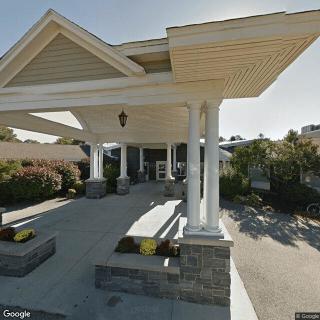
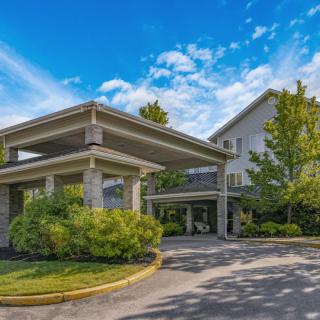
    Washington II is an assisted living community located in the charming city of Portland, ME. Our community offers a range of amenities and care services to ensure our residents have a comfortable and enjoyable living experience.

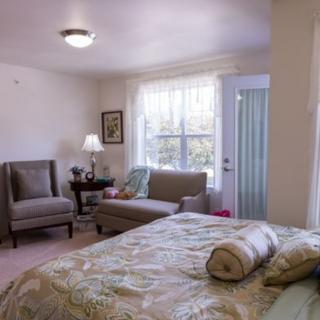
    The fully furnished apartments provide a cozy and welcoming atmosphere for our residents. With a dining room on-site, residents can enjoy delicious meals without the hassle of cooking or cleaning up. Our housekeeping services ensure that each apartment is well-maintained and tidy.

    For those who enjoy spending time outdoors, our community features beautiful gardens and outdoor spaces where residents can relax and enjoy nature. Additionally, our community provides Wi-Fi/high-speed internet and telephone services so that residents can stay connected with loved ones.

    Our dedicated staff is available to assist with activities of daily living such as bathing, dressing, and transfers. We also offer medication management services to ensure that residents are taking their medications properly. In coordination with health care providers, we provide transportation arrangements for medical appointments.

    We understand that each resident may have specific dietary needs, which is why we offer special dietary restrictions options in our dining program. Our diabetes diet ensures that residents with diabetes receive nutritious meals tailored to their needs.

    At Washington II, we strive to provide a fulfilling lifestyle for our residents by offering scheduled daily activities. These activities are designed to promote socialization and engagement within our community.

    Conveniently located near cafes, parks, pharmacies, physicians' offices, restaurants, theaters, and hospitals, our community ensures easy access to essential amenities and healthcare services.

    Come join us at Washington II in Portland for an assisted living experience that promotes comfort, independence, and a sense of community.

    Nearby Places of Interest

    Physicians

    • Giles Eye Care (0.8 miles)
    • Martin's Point Health Care (0.9 miles)
    • Eyecare Today (1.3 miles)
    • Access Wellness (1.4 miles)
    • Mkm Ent Associates at Mercy (1.4 miles)
    • Valdez, Joseph Dr - Portland Internal Medicine (1.4 miles)
    • Portland Gastroenterology Center (1.4 miles)

    Cafes

    • Tandem Coffee Roasters - Cafe & Roastery (1.2 miles)
    • Coveside Coffee (1.2 miles)
    • Little Woodfords (1.7 miles)
    • Coffee By Design (1.7 miles)
    • Bintliff's American Cafe (1.8 miles)
    • Speckled Ax (1.8 miles)
    • Bard Coffee (1.8 miles)

    Restaurants

    • Root Wild Kombucha (1.2 miles)
    • Portland Zoo (1.3 miles)
    • The Shop By Island Creek Oyster (1.3 miles)
    • Rising Tide Brewing Company (1.3 miles)
    • Woodford F & B (1.3 miles)
    • Terlingua (1.4 miles)
    • Oxbow Blending and Bottling (1.4 miles)

    Pharmacies

    • CVS Pharmacy (1.3 miles)
    • Walgreens (1.3 miles)
    • Walgreens (1.5 miles)
    • Apothecary By Design (1.6 miles)
    • Cvs North Portland (1.8 miles)
    • CVS Pharmacy (1.9 miles)
    • CVS Pharmacy (1.9 miles)

    Hospitals

    • Mid Coast Hospital (1.7 miles)
    • Portland Public Health Division (1.7 miles)
    • HealthSouth (1.8 miles)
    • Maine Medical Center-Brighton Campus (1.8 miles)
    • The Barbara Bush Children's Hospital (2.2 miles)
    • Maine Medical Center - Chaplain's Office (2.2 miles)

    Parks

    • Lincoln Park (1.7 miles)
    • Fort Allen Park (1.7 miles)
    • Deering Oaks Park (1.8 miles)
    • Congress Square Park (2 miles)

    Theaters

    • Patriot Cinemas (1.8 miles)

    Frequently Asked Questions

    Where is Washington II?

    Nearby Communities

    • Washington I

      Washington I

      Portland, ME


      pro Comprehensive care with diabetes support and engaging activities.

    • Crossroads

      Crossroads

      Portland, ME


      pro Comprehensive care with 24-hour supervision, ADL assistance, diabetes diet, medication management, and medical coordination.

    • Seaside Nursing & Retirement

      Seaside Nursing & Retirement

      Portland, ME

      2.7 from 33 reviews
       

      pro Clean facility with caring staff and strong rehabilitation services.

    • Cedars Nursing Care Ctr

      Cedars Nursing Care Ctr

      Portland, ME

      3.8 from 69 reviews
       

      pro Excellent rehab environment with engaging activities and supportive staff.

    • The Cedars

      The Cedars

      Portland, ME

      3.8 from 68 reviews
       

      pro Excellent access to cafes, parks, healthcare, dining, culture, and hospitals.

    • Grafton Street

      Grafton Street

      Portland, ME


      pro Small, personalized setting with comprehensive care and ample amenities.

    • Ashton Gardens Gracious Retirement Living

      Ashton Gardens Gracious Retirement Living

      Portland, ME

      4.6 from 67 reviews
      $2,900 to $4,600 / month

      pro Outstanding staff, engaging activities, and well-maintained, welcoming common areas.

    • Birchwoods At Canco Senior Living

      Birchwoods At Canco Senior Living

      Portland, ME

      4.3 from 81 reviews
       

      pro Clean environment with friendly staff and engaging activities.

    • Woods At Canco

      Woods At Canco

      Portland, ME

      4.2 from 82 reviews
      $3,219 to $4,499 / month

      pro Clean, friendly staff with a varied activities program and comfortable living spaces.

    Related Resources

    • active senior livingVibrant Senior Living: A Comprehensive Guide for Active Older Adults

      Vibrant Senior Living emphasizes active senior living communities that promote independence and engagement through diverse amenities and activities, fostering wellness and social interaction among older adults. These communities range from independent to assisted living, with a focus on personal growth, family involvement, financial planning, and leveraging technology to enhance residents' experiences.

    • when to move from assisted living to memory careWhen to Transition from Assisted Living to Memory Care: Key Indicators, Steps, and Finding the Right Community

      Transitioning from assisted living to memory care is driven by an individual's cognitive decline and specific needs, requiring careful evaluation of indicators like increased confusion and wandering. The process involves consulting medical professionals, researching suitable communities, considering financial and legal aspects, and ensuring effective communication for personalized care plans.

    • assisted living vs memory careAssisted Living and Memory Care: Understanding Their Core Differences

      Assisted living provides moderate support for seniors seeking independence, while memory care offers specialized support for individuals with dementia or cognitive impairments through structured routines and trained staff. Key differences include care approaches, environment security measures, staff training levels, activity types, and cost considerations.


    Get Pricing Ask A Question Schedule A Tour Contact Senior Advisor