
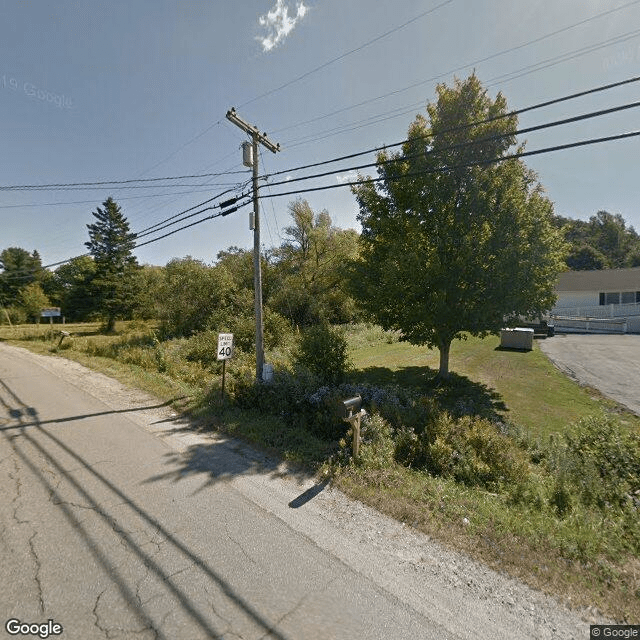
7 N Shore Dr, Owls Head, ME 04854
To contact a resident: (207) 594-7420
For more information about senior living options: (866) 208-4318
Overall Review of Homestead At Owls Head
Pros
 The Homestead is awesome.
- The Homestead has cared for her mother since 2020 with zero issues.
- JoAnn, the owner, is very helpful and the staff is fantastic.
- The resident was safe and very well cared for through COVID, and The Homestead has had over 18 months with no COVID cases.
- The facility appears clean and neat.
- The staff are friendly.
- The property is well kept, extremely clean and sanitary.
- Residents are well cared for by professional staff.
Cons
 There was no sign indicating the correct location.
- The staff were understaffed.
- Protocols for a first-time visitor did not go smoothly.
- There was a long wait to be shown or told where the person was located.
- Communication was lacking with phone calls and visits.
- The patient had gone downhill rapidly in just a few months.
- The facility was very congested, with many patients in a small area.
Review
Homestead At Owls Head is best suited for families seeking a small, home-like environment where an engaged owner and steady caregiving staff deliver consistent, personable attention to an aging loved one who does not require intensive medical interventions but benefits from reliable routines and close connections with caregivers. The setting in Owls Head is tidy and straightforward, reinforcing a sense of safety and daily predictability. This is not a flashy care campus; it is a practical, heart-fronted option where staff know residents by name and units feel lived-in rather than institutional. For families prioritizing relationship-building and a resident-centered approach, the Homestead typically checks the boxes.
Who may want to consider alternatives: Those who need higher caregiver ratios, more expansive common areas, or a broader menu of therapeutic and medical services may outgrow this model. A larger community with dedicated care coordinators and more structured programming can offer more predictable schedules and smoother transitions if resident needs fluctuate or require frequent updates. Families seeking minimal wait times for visits, clearer signage, and easier navigation for first-time guests may also prefer somewhere with more streamlined access and professional coordination. In short, if space, signage, and robust, facility-wide programming are priorities, look beyond this option.
The Homestead stands out for its personal touch. The owner, JoAnn, is described as helpful, and the staff is repeatedly praised for their professionalism and warmth. One veteran caregiver narrative notes that care has remained steady since 2020, which translates into trust and predictable routines for residents. The property itself is well kept and clean, reinforcing safety and comfort. Those strengths, however, are counterbalanced by practical drawbacks: staff levels can feel thin at times, and this affects responsiveness and day-to-day coordination. A tight footprint and high resident density in common areas contribute to congestion and occasional visit-to-staff delays, which can blur lines of communication and make updates harder to track. The tension between a caring, capable team and operational strains is the live tension families will weigh.
How this translates into decisions: Families should push for clarity on staffing patterns and care assignments, request a primary contact who owns the resident’s care plan and ensure consistency across shifts. Ask to see typical caregiver-to-resident ratios during peak hours and to identify who will manage scheduling, medication administration, and activity planning. Visit at different times to observe how space is used and how staff move about the building; determine whether the layout and common areas support private conversations and quiet time. Have a concrete plan for communicating updates and health changes, and request written expectations so there’s a reference point when questions arise. These steps convert pros into reliable, day-to-day realities.
Taking the right risk assessment: The strongest appeal, personal attention and stability, must be weighed against crowding and slower response in busy windows. A resident who values a small, neighborly atmosphere and direct access to a familiar staff team will likely thrive, provided needs stay within the facility’s care envelope and the team maintains steady communication. If acuity rises, or if frequent, clear progress updates are non-negotiable, probing the facility’s capacity for rapid escalation, physician liaison, and care coordination becomes essential. Families should also confirm whether there is flexibility to adjust services as needs evolve, without moving to a new setting.
Bottom-line guidance: Homestead At Owls Head is a compelling fit for families who prize a warm, involved owner and a consistently caring staff inside a clean, well-run home-like setting. Its core strengths, personal attention, continuity of staff, and a professional tone, often translate into solid daily life for residents. The trade-off is a sense of crowding and occasional gaps in communication that can slow updates or test patience during busy periods. For those whose top priorities include robust visibility of staffing, spacious common areas, or advanced medical supports, alternatives with larger scale and higher staffing may deliver a better fit. Before deciding, families should talk directly with the administrator, request day-in-the-life observations, and verify current staffing levels and care plans to ensure expectations align with reality.
 Assisted Living
 Activities on-site
 Devotional services off-site
 Indoor common areas
 Ambulatory care
 Diabetic care
 Meals provided


 Understanding the True Cost of Assisted Living in 2025: A Comprehensive Guide
 Understanding Medicaid Coverage for Assisted Living: A Comprehensive Guide
 How and When Medicaid May Cover Assisted Living Costs