
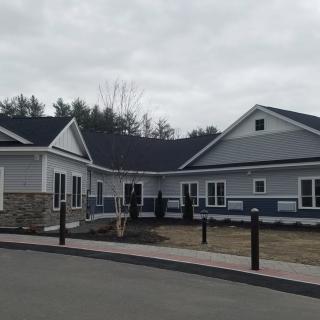
319B Foss Road, Limerick, ME 04048
For more information about senior living options: (866) 208-4318
Overall Review of Limerick Residential Care Facility
Pros
 Residents are well taken care of by amazing staff, particularly the nurses.
- The facility offers plenty of engaging weekly activities and monthly themed events.
- Market Square is highly recommended as a home for loved ones who need extra love and care.
- The staff are fantastic and the food is pleasing.
- The facility is very professional, caring, and clean.
Cons
 The nursing staff there is horrible, especially the traveling nurses; they show absolutely no compassion, leaving patients soaked in their own excrement and urine.
- The administration staff is unhelpful and boastful about bad reviews, and the place should be closed down.
- The call bell for Grammy in pain rang for 10 minutes and no one came to check.
- There is corporate belt-tightening and de facto rationing in residential care, leading to frequent shortages of basic items like milk, bread, coffee, jelly, and peanut butter.
- A family member received very poor care.
- It is a horrible place, and if someone truly loves their family member who needs care, this is not the right place.
Review
This community is best suited for families that prize a lively, engaging daily life and a clearly attentive nursing presence, and who are willing to accept uneven reliability in day-to-day care. The strongest endorsement consistently centers on staff warmth and hands-on nursing care, plus a robust slate of weekly activities and monthly themed events that help residents stay connected and active. For families who want a social, resident-focused atmosphere with visible nursing attention, this facility delivers on those fronts.
However, serious caveats push many families to at least consider alternatives. When safety and dependable, timely care are paramount, the patterns described in several reviews raise red flags: delayed responses to call bells, uneven care during shifts, and reports of neglect or inadequate supervision. Administration comes in for critique as defensive rather than proactive, with implications that problems may persist rather than being addressed decisively. These concerns are not minor; they touch the core promise of what a memory, mobility, or daily living support facility must deliver.
The strongest positives, professional, caring nurses and a clean, professional atmosphere, do offset some daily frustrations in meaningful ways. Residents benefit from attentive medical oversight and a sense that staff are genuinely engaged. The activity calendar adds structure, social interaction, and purposeful engagement, which can meaningfully improve mood and quality of life for many residents. Food quality has been praised in some notes, underscoring that, when staffing aligns and resources hold steady, meals and daily routine can feel reassuringly stable. Yet these bright spots often collide with the harsher feedback on responsiveness and consistency that clouds the facility’s overall picture.
The main concerns, responding slowly to calls, occasional lapses in basic care, and reports of management not fully addressing recurring issues, are more than cosmetic. They strike at essential safety and dignity, especially for residents recovering from surgery or living with limited mobility who depend on prompt assistance for repositioning, hygiene, or pain management. The contrast between compassionate moments from some caregivers and the documented gaps in accountability creates a volatile experience for families who must balance trust with vigilance. In short, the care environment can feel heartening on a good day and troubling on a bad one, depending on staff assignment and shift coverage.
For families evaluating this community, a disciplined, hands-on assessment is essential. Seek exact, verifiable data on response times for call bells, the nurse-to-resident ratio by shift, and which nurses are consistently present with each resident. Tour with a focus on cleanliness, safety measures, and how residents are assisted during routine activities. Ask for examples of how administration handles complaints and what changes followed prior negative reviews. Request a current monthly menu and pantry supplies to gauge whether the kitchen can sustain consistent service. And insist on speaking with several current residents or family members about recent experiences with call lights, medication administration, and daily caregiving, beyond glossy marketing language.
In decision terms, this facility can be a good match for families who prioritize social immersion and a steady nursing presence, provided there is an active plan to monitor and improve care delivery. If reliability, rapid responsiveness, and consistent, high-quality basic care are non-negotiables, alternatives should be explored upfront. Look for communities with stronger, proven safety records, clearer accountability, and demonstrable, ongoing improvements in caregiving responsiveness. The right choice hinges on balancing the meaningful social and nursing strengths against the potentially destabilizing gaps in day-to-day care; for some families, the balance will favor a proactive, vigilant approach here, while for others it will tip toward seeking a facility with steadier, more unambiguous care outcomes.
 6 resident community capacity
 Assisted Living
 Cable or satellite TV
 Dining room
 Fully furnished
 Garden
 Housekeeping services
 Move-in coordination
 Outdoor space
 Telephone
 Wi-Fi/high-speed internet available
 Portland International Jetport (24 miles away)
 24-hour supervision
 Activities of daily living assistance
 Assistance with bathing
 Assistance with dressing
 Assistance with transfers
 Diabetes diet
 Meal preparation and service
 Medication management
 Special dietary restrictions
 Transportation arrangement (medical)
 Transportation to doctors appointments


 Comprehensive Insights into Activities of Daily Living (ADLs) and Their Assessment
 Guiding Elderly Parents Who Refuse Assisted Living: 6 Practical Steps
 Your Comprehensive Guide to Luxury Assisted Living: Elevated Facilities, Amenities, and Costs