Coastal Community Care

280 Stetson Road, Lewiston, ME 04240

For more information about senior living options: (844) 490-3973

2.3 from 3 reviews
5 stars
1
4 stars
0
3 stars
0
2 stars
0
1 stars
2

Assisted Living

Overall Review of Coastal Community Care

Pros

  • pro The doctors, therapists, and case managers are really good people who want to help and do their best to do so.
  • pro They have grown and expanded to help more people and provide additional services.
  • pro The reviewer is stable after nearly two decades, has an awesome support team, and is doing well.

Cons

  • pro The place is described as absolutely HORRID, and people are urged not to seek help there.
  • pro It is claimed that the staff make patients' lives and their families' lives a living hell and undo any progress made.
  • pro Doctors are accused of letting personal biases influence treatment and not taking time to properly meet patients before conclusions.
  • pro When a doctor resigned, the patient reportedly fell through the cracks with ongoing scheduling failures and a lack of communication.
  • pro An initial appointment allegedly involved berating and talking down to the patient by a biased, uncaring doctor.
  • pro The doctor is said to have disregarded the patient's current treatment and, due to personal biases, changed the approach, undoing progress.
  • pro There is a perception of stigma in mental health care and a belief that doctors are not understanding or supportive.
  • pro Getting psych services took months, with referrals lost, deleted, or not acted upon, and staff appearing indifferent.
  • pro The PCP's office reportedly had no record of the referral, indicating systemic mismanagement.

Review

For years I've relied on this place a lot, and the difference between what it pretended to be and what it actually delivered has been jarring. On one hand, the people I interacted with most - the doctors, therapists, and case managers - were clearly trying to do the right thing. They're kind, they want to help, and they've built a solid support network around me. After nearly two decades, I've become stable, I have a dependable team backing me, and I'm doing well. The growth in staff over the last few years has been evident; they've hired more people and expanded services in an effort to reach more patients. It's easy to see that the intention behind all of this is good, and it's tempting to trust that growth will translate into better care.

But the other side of the story is brutal. This place is absolutely horrid, and anyone seeking mental health support should think long and hard before stepping through their doors. The experience of care here can feel like a personal and familial crisis in reverse - where the very system designed to support recovery ends up turning it into a living hell. The impact isn't just emotional; it feels like it negates the hard-won progress so many patients have fought to achieve. The core problem isn't the people in front of you on a given day but the way the system interacts with patients - how personal biases can shape a treatment plan and how little time seems available to truly meet a patient where they're at.

A troubling pattern emerges around doctor bias and the lack of thorough intake. I've witnessed firsthand how a doctor's personal biases can overshadow a patient's history and current treatment needs. In one stark case, someone very close to me had climbed back from a drug addiction and was moving forward on a carefully constructed recovery plan. When their doctor resigned, the patient didn't just lose a clinician; they fell through the cracks of an overburdened system. They weren't informed about any changes or scheduling, and they had to chase the office relentlessly just to keep any semblance of continuity. The absence of clear communication and the repeated need to "hunt down" a clinician created a vulnerability that threatened real, measurable progress. The simple, crucial step of maintaining a steady treatment relationship became a game of hide-and-seek with the clock and the calendar.

The consequences of this lapse weren't isolated to a clerical hiccup. At the initial appointment after the turnover, the patient was berated and talked down to by a clinician who seemed to bring prejudice into the room. They were simply asking for help, not judgment, yet the encounter felt personal and unfair. The clinician disregarded the patient's current treatment regime and, driven by personal biases, altered the approach in ways that contradicted hard-won gains. This wasn't a minor tweak; it felt like the rug was being pulled out from under someone who had been steadily progressing. For a patient already navigating the delicate terrain of mental health care, such a forceful change can undo months of work and destabilize what was previously working.

The broader issue at play is a persistent stigma within mental health care itself - the expectation that clinicians will be understanding and collaborative rather than confrontational or dismissive. The fear here isn't irrational; it stems from repeated experiences where the care we rely on becomes a source of judgment rather than support. When compassion and patient-centered decision-making fail to show up, the entire system loses its legitimacy in the eyes of those it serves. This is not merely an interpersonal failure; it's a breakdown that has tangible, potentially harmful effects on someone's mental health journey.

Beyond individual clinician interactions, the practical logistics of care have been a nightmare for some. I've spent nearly three months trying to obtain psych services, including medication refills and symptom monitoring. The referrals from my PCP didn't come through as they should have, so there were days of relentless faxes and phone calls just to get a signal that something was moving. When the referral finally appeared, I was told it would take at least a week for a doctor to review it. After a week, I was instructed to keep trying, with no steadfast follow-through. Thanksgiving added another layer of delay, and months passed with no decisive action. When I finally checked in again, I learned the referral had been deleted because the office claimed they needed additional information from the PCP that never materialized. What's more, my PCP told me they had no record of any such request. The PCP office, in contrast, is organized and reliable in a way that makes this mix-up feel even more egregious. The discrepancy between what the PCP reports and what this practice claims is jarring and deeply unsettling.

In short, there's a cruel irony to the way this place operates. There are people who genuinely want to help, a robust support framework that can work under the right conditions, and a system that has grown to serve more patients. Yet the experience for those who fall into the cracks - those dealing with complex needs or who rely on consistent medication management - can be chaotic, inconsistent, and emotionally exhausting. The staff may be compassionate on a personal level, but the organizational failures - the mismanaged referrals, the lost communications, the delayed responses, and the dismissive attitudes in some encounters - undermine trust and stability for vulnerable individuals. For anyone considering this facility, the cautionary message is clear: growth and goodwill don't automatically translate into reliable, patient-centered care, and the risk to someone's mental health can be significant when administrative processes fail.

Features

Housing

  • 2 resident community capacity 2 resident community capacity

Types of Care

  • Assisted Living Assisted LivingAssisted living facilities provide crucial support and care for seniors who may need help with daily tasks such as medication management, bathing, and meal preparation. These communities offer a safe and comfortable environment where seniors can maintain their independence while receiving the assistance they need to thrive in their golden years.

Amenities

  • Cable or satellite TV Cable or satellite TVCable or satellite TV is important for seniors because it provides entertainment, news, and companionship, helping to combat loneliness and boredom. It also offers a wide range of programming options tailored to different interests and preferences.
  • Dining room Dining roomDining rooms are important for seniors as they provide a space for socialization, connection, and nutritious meals. They offer opportunities for residents to bond over shared meals, foster a sense of community, and promote healthy eating habits. Dining rooms also ensure that seniors have access to well-balanced meals tailored to their dietary needs and preferences.
  • Fully furnished Fully furnishedFully furnished senior living communities are important for seniors because they provide convenience, comfort, and a hassle-free moving experience. Seniors can easily settle into their new living space without the stress of having to buy and move furniture. This allows them to focus on enjoying their new home and community.
  • Garden GardenGardens are important for seniors as they provide a peaceful and therapeutic environment for relaxation, physical activity, and socialization. Being in nature has been shown to reduce stress, improve mood, and promote overall well-being. Gardens also offer opportunities for seniors to engage in gardening activities, which can improve mobility, flexibility, and cognitive function. Additionally, gardens create a sense of community and connection with others who share a passion for plants and outdoor spaces.
  • Housekeeping services Housekeeping servicesHousekeeping services are important for seniors because they help maintain a clean and safe living environment, promote independence, and reduce the risk of accidents or illnesses. Additionally, having assistance with household chores can alleviate physical strain and allow seniors to focus on other aspects of their well-being.
  • Move-in coordination Move-in coordinationMove-in coordination is important for seniors because it helps ease the transition into their new living environment. It ensures that all logistics, such as packing, organizing movers, and setting up utilities are taken care of, allowing seniors to focus on settling in and adjusting to their new home. Having a smooth move-in process can alleviate stress and anxiety, making the transition smoother and more enjoyable for seniors.
  • Outdoor space Outdoor spaceOutdoor spaces are important for seniors as they provide opportunities for physical activity, social interaction, exposure to natural light and fresh air, and a sense of connection to nature. Having access to outdoor spaces can improve overall well-being and quality of life for older adults living in senior communities.
  • Telephone TelephoneTelephones are important for seniors as they provide a lifeline for communication with loved ones, emergency services, and healthcare providers. They offer a sense of security and independence, enabling seniors to stay connected and access assistance when needed.
  • Wi-Fi/high-speed internet available Wi-Fi/high-speed internet availableWi-Fi/high-speed internet is important for seniors to stay connected with loved ones, access online resources, and participate in virtual activities to combat feelings of loneliness and isolation. It also allows them to easily manage healthcare needs, access entertainment, and engage in lifelong learning opportunities.

Care Services

  • 24-hour supervision 24-hour supervision24-hour supervision is important for seniors to ensure their safety, well-being, and access to immediate assistance in case of emergencies or health issues. This constant support provides peace of mind for both seniors and their loved ones, allowing them to age in place with dignity and security.
  • Activities of daily living assistance Activities of daily living assistanceActivities of daily living assistance are important for seniors because they provide essential support with tasks such as eating, bathing, dressing, and mobility. This assistance helps seniors maintain their independence, dignity, and overall quality of life as they age.
  • Assistance with bathing Assistance with bathingAssistance with bathing is crucial for seniors as it helps maintain personal hygiene, prevents infections, and ensures their overall well-being and comfort. It also provides a sense of dignity and independence for seniors who may struggle with this task on their own.
  • Assistance with dressing Assistance with dressingAssistance with dressing is important for seniors because it helps maintain their independence, promotes personal hygiene, prevents accidents and injuries, and improves overall quality of life. This service ensures that seniors can continue to dress comfortably and confidently, despite any physical limitations they may have.
  • Assistance with transfers Assistance with transfersAssistance with transfers is crucial for seniors as it helps prevent falls and injuries, maintains their independence, and ensures they can safely navigate their living environment. It also provides peace of mind for both seniors and their loved ones.
  • Coordination with health care providers Coordination with health care providersCoordination with health care providers is crucial for seniors to ensure proper medical care, medication management, and overall well-being. This collaboration helps prevent overlapping treatments, track progress more effectively, and provide comprehensive support tailored to individual needs.
  • Diabetes diet Diabetes dietA diabetes diet is crucial for seniors as it helps manage blood sugar levels, reduce risks of complications, and improve overall health and well-being. By following a balanced and nutritious diet tailored to their specific needs, seniors can better control their diabetes and enhance their quality of life.
  • Meal preparation and service Meal preparation and serviceMeal preparation and service are crucial for seniors as they may have limited mobility or energy to cook nutritious meals. Having access to healthy and convenient food options can ensure they are getting the proper nutrition needed to maintain their overall health and well-being.
  • Medication management Medication managementMedication management is crucial for seniors to ensure they are taking the right medications at the correct dosages and times. This helps prevent adverse drug interactions, reduces the risk of medication errors, and promotes overall health and well-being. Proactive management also allows for adjustments as needed based on changing health conditions or new prescriptions.
  • Special dietary restrictions Special dietary restrictionsSpecial dietary restrictions are important for seniors because age-related changes in metabolism and health conditions can make it difficult for their bodies to process certain foods. By following a diet tailored to their specific needs, seniors can maintain their overall health and well-being, manage chronic conditions, and reduce the risk of complications such as malnutrition or food interactions with medications.
  • Transportation arrangement (medical) Transportation arrangement (medical)Transportation arrangements for medical purposes are essential for seniors as they may have difficulty driving themselves to appointments or accessing public transportation. Having reliable and safe transportation options ensures that seniors can receive timely medical care and maintain their health and well-being.
  • Transportation to doctors appointments Transportation to doctors appointmentsTransportation to doctors' appointments is crucial for seniors as it ensures they have access to necessary medical care and support for their health needs. Without reliable transportation, seniors may struggle to attend important appointments, leading to potential delays in treatment and health complications. Providing transportation services helps seniors maintain their overall well-being and quality of life.

Dining

  • Diabetes diet Diabetes dietA diabetes diet is crucial for seniors as it helps manage blood sugar levels, reduce risks of complications, and improve overall health and well-being. By following a balanced and nutritious diet tailored to their specific needs, seniors can better control their diabetes and enhance their quality of life.
  • Special dietary restrictions Special dietary restrictionsSpecial dietary restrictions are important for seniors because age-related changes in metabolism and health conditions can make it difficult for their bodies to process certain foods. By following a diet tailored to their specific needs, seniors can maintain their overall health and well-being, manage chronic conditions, and reduce the risk of complications such as malnutrition or food interactions with medications.

Activities

  • Community-sponsored activities Community-sponsored activitiesCommunity-sponsored activities are important for seniors as they provide opportunities for social interaction, mental stimulation, and physical activity. These activities can help improve overall well-being, combat loneliness and isolation, and promote a sense of belonging and purpose among older adults.
  • Scheduled daily activities Scheduled daily activitiesScheduled daily activities are important for seniors because they provide structure, socialization, mental stimulation, and physical activity. Engaging in regular activities can improve overall well-being and quality of life for seniors living in a community setting.

Description

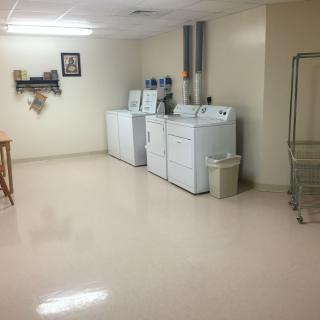
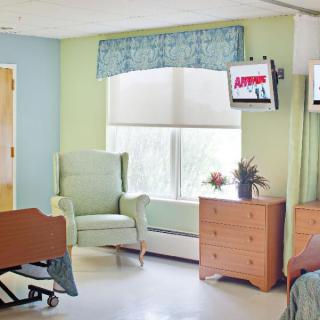
Coastal Community Care in Lewiston, ME is a premier assisted living community that offers a wide range of amenities and care services to ensure the comfort and well-being of its residents. The community provides a homely atmosphere with fully furnished accommodations, including dining rooms and outdoor spaces where residents can enjoy meals and socialize with fellow residents.

The dedicated staff at Coastal Community Care are committed to providing exceptional care and assistance to residents. They offer assistance with activities of daily living such as bathing, dressing, and transfers, ensuring that residents feel supported in their day-to-day routines. The staff also works closely with healthcare providers to coordinate any necessary medical treatments or appointments for residents.

Dining at Coastal Community Care is a delight, with special attention given to accommodating dietary restrictions. Meal preparation and service are tailored to meet the specific needs of each resident. From diabetes diets to special dietary restrictions, the culinary team ensures that residents receive delicious and nutritious meals.

To keep residents engaged socially and mentally, scheduled daily activities are organized by the community. These activities provide opportunities for entertainment and interaction among residents. In addition, there are three cafes nearby for those who want to explore outside dining options, as well as two parks for outdoor leisure activities.

Residents at Coastal Community Care have easy access to various amenities within close proximity of the community. There are 11 pharmacies nearby for convenient medication management, as well as 44 physicians available for specialized healthcare needs. For outings or transportation to medical appointments, there are two transportation options nearby.

Further enhancing the convenience of residing at Coastal Community Care are eight places of worship located nearby for spiritual fulfillment and support. Additionally, two theaters provide entertainment options for those looking to enjoy cultural experiences. Lastly, six hospitals in the vicinity ensure quick access to emergency medical services if needed.

Coastal Community Care in Lewiston, ME is an ideal choice for individuals seeking a comfortable and supportive assisted living community that provides exceptional care services along with a range of amenities and nearby conveniences.

Nearby Places of Interest

Places of Worship

  • Holy Trinity Church (0.3 miles)
  • John G. Mendros, MD (0.3 miles)
  • Unity Bible Church (0.9 miles)
  • Calvary United Methodist Church Parsonage (1.8 miles)
  • Prince of Peace Parish (1.8 miles)
  • Lewiston-Auburn Jewish Comm (2 miles)
  • Basilica of Saints Peter and Paul (2.6 miles)

Physicians

  • Pediatric Associates of Lewiston (0.9 miles)
  • St Mary's Center for Family Medicine at Mollison Way (1 miles)
  • Hanger Prosthetics & Orthotics (1.3 miles)
  • DeRosa, Chamberland & Cote Eye Care (1.4 miles)
  • Central Maine Eye Care (1.8 miles)
  • Androscoggin Oral Surgeons (1.9 miles)
  • St Mary S Psychiatry Lewiston (2 miles)

Restaurants

  • Burger King (1.2 miles)
  • Dubois Cafe & Variety (1.7 miles)
  • Val's Drive-In (1.8 miles)
  • Arby's (2.3 miles)
  • Taco Bell (2.4 miles)
  • Lotus Restaurant (2.4 miles)
  • CaribĂ© (2.5 miles)

Pharmacies

  • Medicine Shoppe (1.8 miles)
  • CVS Pharmacy (1.9 miles)
  • Walgreens (1.9 miles)
  • Medicine Shoppe (2 miles)
  • Shaw's Pharmacy (2.3 miles)
  • CMMC Pharmacy (2.4 miles)
  • Bedard Pharmacy (2.5 miles)

Hospitals

  • New England Neurosurgery (2 miles)
  • St Mary's Regional Medical Center (2 miles)
  • The Patrick Dempsey Center For Cancer Hope And Healing (2.4 miles)
  • Central Maine Medical Center (2.4 miles)
  • Central Maine Heart and Vascular Institute (2.5 miles)
  • Bridgton Hospital (2.6 miles)

Transportation

  • City Cab (2.2 miles)
  • Yarmouth taxi Express 24/7 Airport (2.5 miles)

Cafes

  • Peet's Coffee and Tea (2.3 miles)
  • Panera Bread (2.6 miles)
  • Starbucks (2.7 miles)

Theaters

  • Flagship Cinemas (2.3 miles)
  • Flagship Cinema (2.9 miles)

Parks

  • Veteran s Park (2.9 miles)
  • Simard-Payne Park (3.1 miles)

Frequently Asked Questions

Where is Coastal Community Care?

Nearby Communities

Related Resources

  • does medicare pay for assisted livingMedicare Coverage for Assisted Living: An In-Depth Exploration

    Medicare does not cover assisted living costs, as it focuses on acute medical needs and short-term care, with exceptions for certain medically necessary services like physical therapy. Individuals must explore other options such as Medicaid, veterans' benefits, or long-term care insurance to manage these expenses effectively.

  • assisted living vs nursing homeChoosing the Right Senior Care: A Detailed Exploration of Assisted Living and Nursing Homes

    Choosing between assisted living and nursing homes involves evaluating emotional and financial factors, with assisted living offering independence and support for daily activities at a lower cost, while nursing homes provide intensive medical care for individuals with significant health needs. The decision is influenced by personal preferences, health status, cognitive function, and varying Medicaid coverage across states.

  • assisted living costUnderstanding the True Cost of Assisted Living in 2025: A Comprehensive Guide

    Assisted living in 2025 offers a crucial balance of independence and support for seniors, with costs varying from $2,500 to over $7,000 per month based on factors such as location and care level. Understanding pricing complexities, including regional differences and potential hidden fees, is essential for families to plan financially while ensuring quality care for their loved ones.