
9 Vicarage Lane, Harpswell, ME 04079
For more information about senior living options: (866) 208-4318
The Vicarage By The Sea Costs & Pricing
At The Vicarage By The Sea, the monthly costs for accommodations reflect a premium experience compared to average pricing in Cumberland County and across Maine. For both private and semi-private room types, the facility charges $6,000 per month, positioning it above the county's average of $4,382 for private rooms and $5,192 for semi-private options. This pricing may indicate enhanced amenities and services tailored to residents' needs, suggesting that The Vicarage By The Sea provides an elevated standard of care and comfort. When compared to the state averages of $4,625 for private rooms and $4,685 for semi-private rooms, it is clear that potential residents can expect a higher investment for the distinct advantages offered at this facility.
| Floor plans | The Vicarage By The Sea | Cumberland County | Maine |
|---|---|---|---|
| Private | $6,000 | $4,382 | $4,625 |
| Semi-Private | $6,000 | $5,192 | $4,685 |
Memory care communities with a similar price nearby
-
from -$1005 / mo
The Enclave Of Scarborough
$4,995 to $5,900 / month19.9 miles away -
from +$1040 / mo

Avita of Stroudwater
$7,040 to $7,550 / month18.2 miles away -
About the same
Winship Green Nursing Center
$5,985 / month15.3 miles away -
from -$390 / mo

Hillhouse
$5,610 to $7,800 / month14.8 miles away
Overall Review of The Vicarage By The Sea
Pros
 The Vicarage is an oasis of peace and freedom.
- Every aspect centers on dignity and inclusiveness for clients and the whole family.
- The caring staff, the clients, and their visiting loved ones form a larger, family-like community.
- The staff are knowledgeable, caring, and understanding, with a favorable staff-to-patient ratio.
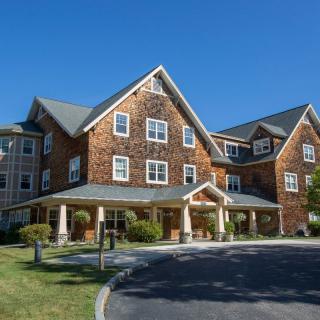
- The smaller size and home-like feel make the place resemble a big house more than a facility.
- The community is nice and overlooks the sea.
- The community provides many activities for residents who can participate, and its cleanliness is praised.
Review
The Vicarage By The Sea in Harpswell, ME is best suited for seniors who prize a peaceful, home-like setting where dignity and family are central. This community thrives when residents seek a warm, intimate atmosphere that feels more like a private house than a facility, with direct access to caring staff who treat each resident as part of a larger, welcoming extended family. The seaside locale adds a calm backdrop that makes daily life feel relaxed and reassuring, and the emphasis on inclusiveness means family members are welcomed to participate in routines, meals, and activities.
Those who may want to consider alternatives are individuals who require higher levels of medical oversight or specialized memory care, or who prefer a more structured, club-style ambiance with a broader menu of formal programs. The Vicarage’s strengths lie in personal attention and a small-community rhythm, which can come up short for residents with complex clinical needs, frequent skilled-nursing requirements, or goals that depend on a wide range of on-site therapies and specialized staff. For families prioritizing a bustling social calendar or one-stop access to extensive medical services, a larger center may deliver more of what is sought.
The key advantages here, an attentive staff-to-resident dynamic, a cozy, house-like environment, and easy family involvement, offset the potential gaps that come with a smaller operation. Residents benefit from rapid responses to daily needs, less administrative distance between caregivers and families, and deeper, more consistent relationships with caregivers who know histories and preferences. The balance between staff knowledge and responsiveness translates into a sense of security that can reduce anxiety for both residents and loved ones, a practical payoff when choosing care for someone who values steady, personal attention over formal programming.
Another major offset is the quality of life fostered by the community’s culture. The presence of visiting children and companion animals, together with varied outings and meals, creates daily life that feels vibrant rather than clinical. Cleanliness and an ongoing sense of orderly calm support dignity and comfort, while the intimate setting makes social interactions more meaningful rather than administrative. When residents wish to engage, there is a clear, welcoming pathway to participate; when disengagement is preferred, the space remains respectful and unobtrusive. This combination matters deeply for emotional well-being and can be a decisive factor for families weighing trade-offs.
From a decision-maker’s standpoint, the Vicarage stands out for those who want a serene, sea-kissed home with heartfelt care, where relatives aren’t sidelined but integrated into routines. The trade-off is most relevant for seniors who are relatively stable medically and content with a slower, more intimate cadence of life; for those whose care needs escalate to memory-care specialization or around-the-clock nursing, or who crave the breadth of services offered by larger campuses, alternatives deserve serious consideration. In practical terms, the choice hinges on a resident’s medical profile, social preferences, and tolerance for a smaller, more personal ecosystem.
Ultimately, this community serves as a compelling choice for families seeking dignity, warmth, and a genuine sense of belonging near the coast. It delivers on the promises of a peaceful, inclusive atmosphere, hands-on caregiving, and a lifestyle that feels like home rather than hospital. For residents who place a premium on connection, everyday meaningful engagement, and a welcoming, low-stress environment, The Vicarage By The Sea is a strong, well-matched option. If medical complexity or a desire for a more extensive, club-like programfactor into the decision, exploring alternatives alongside a thorough visit and candor with the leadership will ensure the best fit.
 6 resident community capacity
 Assisted Living
 Board and Care Home
 Memory Care
 Cats allowed
 Dogs allowed
 Activities off-site
 Bath tubs
 Beautician on-site
 Cable or satellite TV
 Devotional services off-site
 Dining room
 Fully furnished
 Garden
 Housekeeping services
 Indoor common areas
 Move-in coordination
 Outdoor common areas
 Private
 Private bathrooms
 Telephone
 Wheelchair accessible showers
 Wi-Fi/high-speed internet available
 Portland International Jetport (17 miles away)
 24-hour supervision
 Assistance with bathing
 Assistance with dressing
 Assistance with transfers
 Diabetes diet
 Diabetic care
 High acuity care
 Incontinence care
 Meal preparation and service
 Medication management
 Special dietary restrictions
 Transportation arrangement (medical)
 Transportation to doctors appointments


 Dementia-Related Hallucinations: Causes, Experiences, and Practical Approaches
 Illuminating Insights About Alzheimer's Disease: Ten Crucial Realities
 A Thorough Discussion of Medications Potentially Linked to Dementia Risk