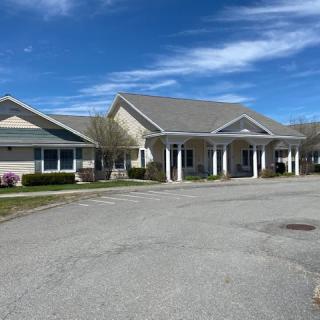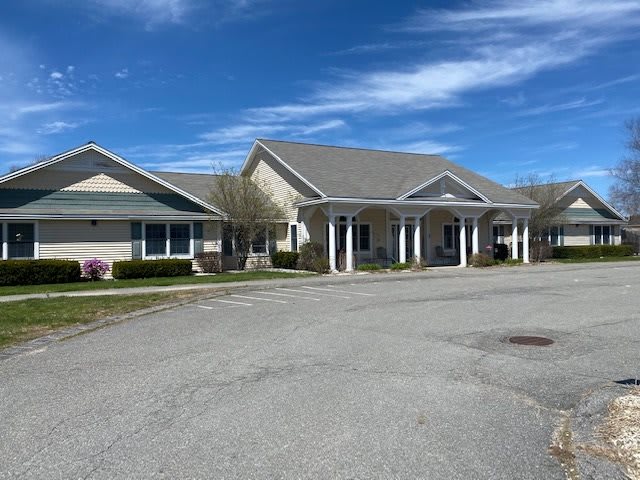
4 Old County Rd, Freeport, ME 04032
To contact a resident: (207) 865-3500
For more information about senior living options: (866) 208-4318
Freeport Place Costs & Pricing
At Freeport Place, the monthly costs for accommodations reflect a premium positioning within both Cumberland County and the state of Maine. For a semi-private room, residents will find themselves investing $6,360, which is notably higher than the county average of $5,192 and the state average of $4,685. Similarly, those opting for a one-bedroom unit at Freeport Place can expect to pay $7,080 per month; this is significantly above the local county rate of $4,770 and the state figure of $4,572. This pricing structure suggests that while Freeport Place may not be the most affordable option available, it likely offers enhanced amenities and services that justify its higher rates.
| Floor plans | Freeport Place | Cumberland County | Maine |
|---|---|---|---|
| Semi-Private | $6,360 | $5,192 | $4,685 |
| 1 Bedroom | $7,080 | $4,770 | $4,572 |
Assisted Living communities with a similar price nearby
-
from -$860 / mo
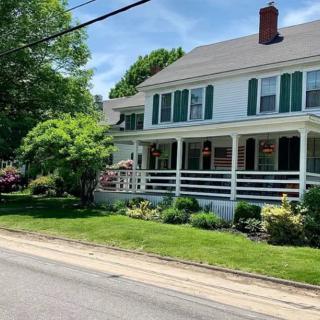
Country Village Assisted Living
$5,500 / month22.4 miles away -
from -$407 / mo
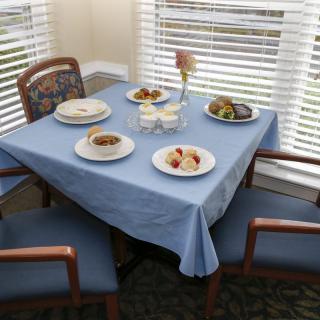
Inn At Village Square
$5,953 / month20.6 miles away -
from -$750 / mo

Hillhouse
$5,610 to $7,800 / month14.4 miles away -
from +$790 / mo

Foreside Harbor
$7,150 to $7,500 / month10.4 miles away -
from -$860 / mo

Elm Street Assisted Living
$5,500 / month8.9 miles away
Overall Review of Freeport Place
Pros
 The staff at Freeport Place are friendly, extremely patient, and respectful toward residents.
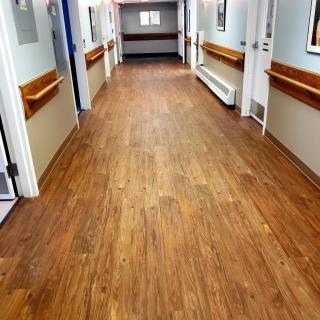
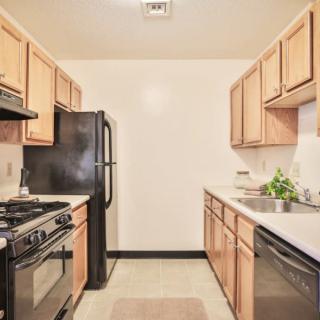
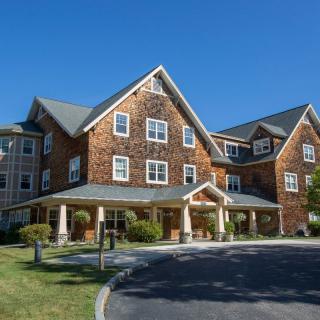
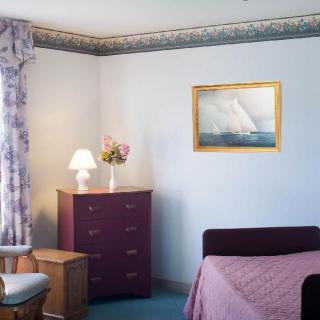
- The facility is clean, bright, and feels like home with peaceful, cozy decor.
- Residents are cherished by the staff, who are enthusiastic, genuine, and caring.
- Meals are consistently good, with some days being excellent.
- Families are welcomed and treated like family, with personal touches and accessibility.
- The sign-out procedure is simple, and staff are always present and alert.
Cons
 She was not an easy person to care for or get along with.
- She would pick favorites and enemies.
Review
Freeport Place in Freeport, ME is best suited for seniors who want a warm, home-like assisted living experience backed by exceptionally attentive staff. The community shines for residents who value cleanliness, a peaceful atmosphere, and daily interactions that feel personalized rather than procedural. It is especially favorable for families that want to participate in ongoing caregiving moments, sharing meals, dropping in for visits, and witnessing a consistent, caring routine. The decor’s country blues and floral touches contribute to a cozy, non-institutional feel, reinforcing the sense that life here can remain comfortable and familiar.
Those considering alternatives should weigh options if a loved one requires more intensive medical oversight or dementia-focused programming than what an assisted living setting typically emphasizes. If 24/7 skilled nursing, complex wound care, vigorous rehab, or memory-care specialized support are priorities, larger campuses with dedicated clinical resources may be a better match. Similarly, families seeking a more clinical environment or a broader menu of on-site therapeutic services may find they prefer another option with bigger clinical footprints.
The strongest pros, cleanliness, a home-like ambiance, and genuinely caring staff, interlock to make daily life approachable and reassuring. Reviews consistently highlight staff who are enthusiastic, patient, and respectful, even when care needs are challenging. Families note that staff treat residents with warmth and dignity, creating trust and reducing worry for both residents and visiting loved ones. The combination of a bright, tidy setting and a decor that feels inviting rather than institutional repeatedly emerges as a meaningful differentiator, transforming what could be a routine live‑in arrangement into a place that feels like a supported home.
Another standout strength is the level of personal attention and visibility of the care team. Reviewers point to a simple sign-out process that enables family outings with minimal friction, and to staff who are present and alert at all hours. The ability to bring loved ones along for activities or TV time, along with staff offering small acts of hospitality, tea or snacks during off hours, builds a sense that residents are not just cared for but actively engaged in comfortable, everyday pleasures. Food quality is consistently described as good to excellent on many days, enhancing satisfaction beyond mere nutritional need.
For families making a practical decision, Freeport Place makes sense when autonomy and family involvement are priorities. It is particularly well-suited for residents who thrive on predictable routines, regular socializing, and the reassurance that staff know them by name and respond with familiarity. The environment supports gentle independence within a secure framework, with a focus on warmth over formality. Prospective residents should still assess whether the level of medical or memory-care support aligns with current needs, and compare with alternatives that foreground stronger clinical networks. A targeted visit will reveal whether the staff’s tone, pace, and attentiveness fit the loved one’s personality and care requirements.
In the end, Freeport Place stands out as a compelling choice for families who prize a genuine, people-first culture in a clean, welcoming setting. It delivers on everyday life, pleasant meals, attentive caregivers, open accessibility, and a home-like ambiance, far more consistently than many peers. The primary caveat for some is simply the degree of clinical intensity; for those whose needs sit squarely in assisted living rather than medicalized care, the pros clearly offset any potential gaps. For families seeking a nurturing, participatory environment where staff become extended family, this community should be at the top of the short list.
 Assisted Living
 Activities on-site
 Beautician on-site
 Devotional services off-site
 Indoor common areas
 Outdoor common areas
 Portland International Jetport (18 miles away)
 Ambulatory care
 Diabetic care
 High acuity care
 Incontinence care
 Medication management
 Meals provided


 Assisted Living Support for Veterans: A Complete and Detailed Overview
 Exploring the Contrasts Between Assisted Living and Skilled Nursing
 8 Key Indicators That Suggest It May Be Time to Transition from Assisted Living to Skilled Nursing Care