3 East Street, Freeport, ME 04032
For more information about senior living options: (866) 208-4318
Overall Review of Bella Point Freeport
Pros
 The staff are very caring and compassionate.
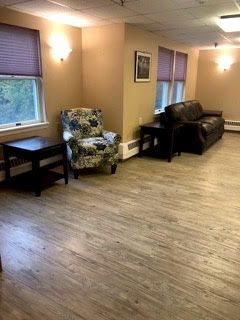
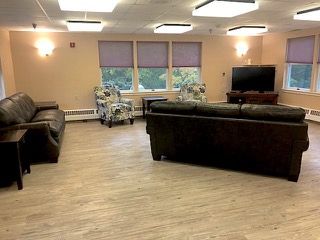
- The rooms are comfortable, making it a good long-term care facility.
- The level of kindness shown to residents is memorable.
- The nursing staff is responsive, returning calls even when overworked.
- The facility provides residents with what they need at the end of life.
Cons
 The facility is not as nice as it appears.
- A relative living there is not receiving the best care, and the staff has no empathy for residents.
- It is very difficult to obtain updates about loved ones; it took multiple calls before anyone answered.
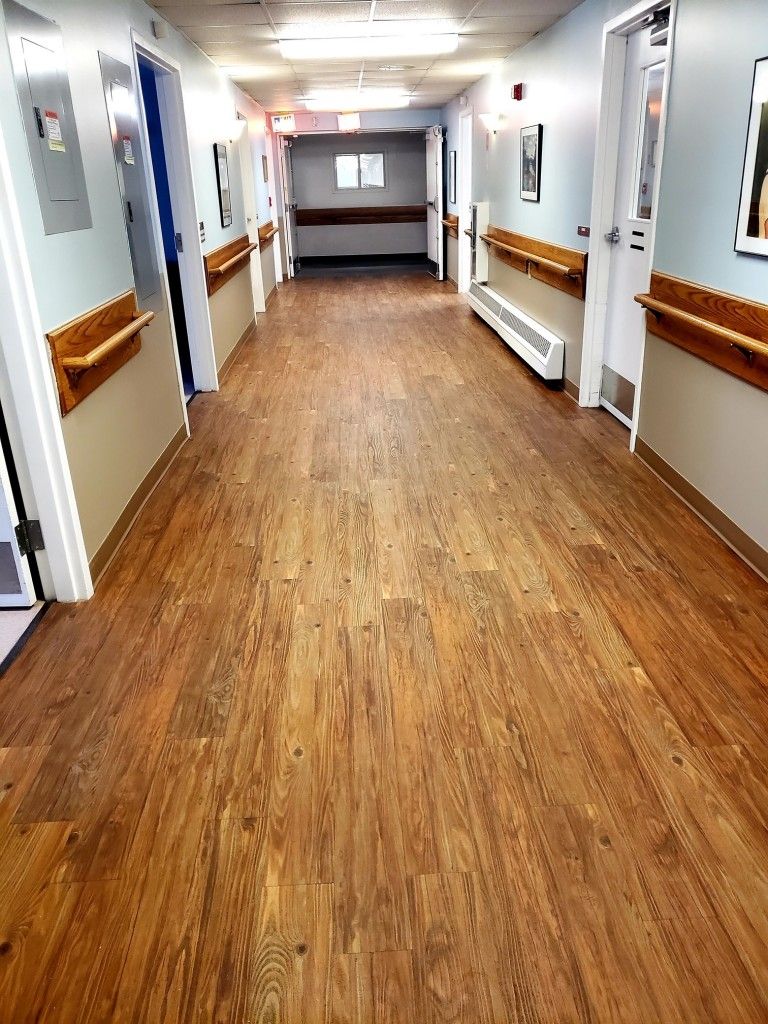
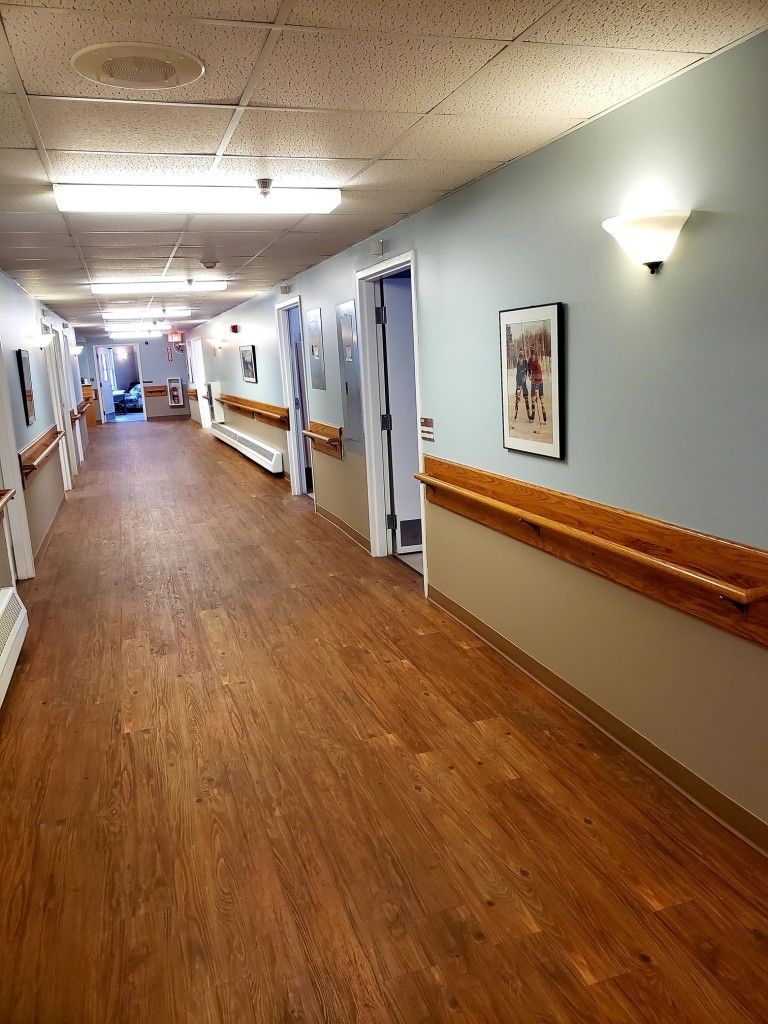
- The facility is not clean.
- There is disappointment in the care, cleanliness, and compassion shown to residents.
- The place is bare-bones and short-staffed, with staff stretched to the limit.
- The social worker is described as a back-stabber, and the staff struggle to get along with people who have accents; the kitchen manager should be fired for safety concerns.
- Freeport Nursing is hard to find, has a nursing home smell, uncomfortable rooms, a small therapy room, and staff who rarely give time to visitors.
Review
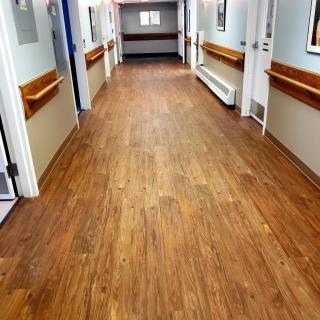
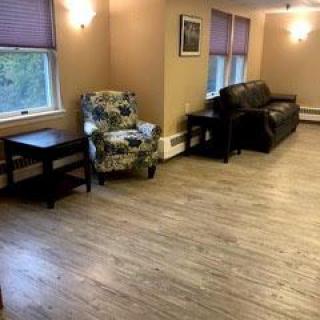
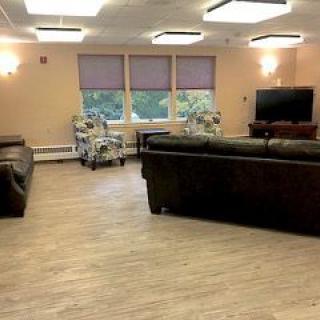
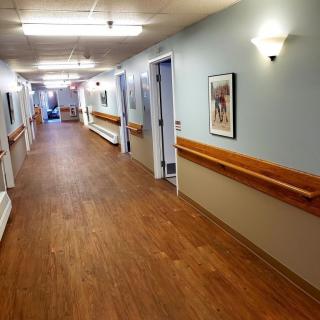
Bella Point Freeport is best suited for families that want long-term, budget-conscious care where the human touch from some caregivers can still shine, even when the facility itself feels lean. The place can provide a comfortable living space and a sense of routine that matters for residents who do not demand luxury amenities. In practical terms, it suits those who value steadiness, familiar faces, and the possibility of compassionate moments from staff, more than polish, pristine cleanliness, or a flawlessly smooth operation.
Those weighing alternatives should consider communities with stronger signals of reliability in communication and upkeep. If timely updates to families, easy phone access, and consistently clean surroundings are nonnegotiable, other options will likely deliver more peace of mind. For families whose top priorities include spotless environments, proactive management, and readily available therapy resources, Bella Point Freeport may fall short and a more robustly staffed, better-organized option deserves serious consideration.
The core positives, caring staff, comfortable rooms, and a sense of long-term care orientation, do carry weight, especially when staff members demonstrate genuine kindness and take time with residents. Social opportunities, like organized events or group meals, can enhance daily life and provide meaningful interactions for residents who do not require intensive therapy. In the best moments, the team’s attentiveness can feel personal and attentive, and some residents benefit from dedicated nursing care during difficult days.
Those benefits, however, are offset by a troubling cluster of operational shortcomings. Communication gaps are a persistent theme: callers report long hold times, difficulty reaching the right person, and inconsistent updates about loved ones. Cleanliness concerns recur, with multiple accounts describing facilities that feel behind the times rather than well cared-for. Staffing appears stretched, and this strain surfaces in delays, reduced hands-on availability, and pockets where empathy and responsiveness fall short. Kitchen management and general oversight are flagged by some reviewers as areas needing substantive improvement, suggesting that daily routines can be inconsistent. The overall impression is of a place that can do right by residents in moments of need, but struggles to maintain reliability across the board.
In weighing how the pros balance the cons, the decisive question centers on reliability versus warmth. If a family can tolerate irregular communication, occasional lapses in cleanliness, and a lean operation because the caregiving core remains compassionate, Bella Point Freeport can be a livable, even comforting, option. The positive care experiences near the end of life and the moments of genuine, personal attention indicate that a resident’s daily life can be dignified and supported, even when systems are imperfect. Yet for those who demand consistently spotless environments, predictable staffing, and frictionless family updates, the cons overwhelm the potential benefits.
To make an informed choice, prospective families should conduct targeted firsthand checks. Visit at varied times to observe staff availability and response times; request a candid conversation with the floor nurse or care manager about how staffing levels are allocated on weekends; inspect living spaces and the cleanliness of common areas; probe how meal service and the kitchen are managed, and how dietary needs are addressed. Ask specifically how family updates are handled, including who to contact and how often updates occur. If the answers emphasize transparency, steady communication, and dependable upkeep, the community may still fit, but if those commitments feel uncertain, exploring alternatives with stronger daily operations is prudent.
 60 resident community capacity
 Assisted Living
 Air-conditioning
 Beauty salon
 Cable or satellite TV
 Computer center
 Dining room
 Fitness room
 Fully furnished
 Gaming room
 Garden
 Housekeeping services
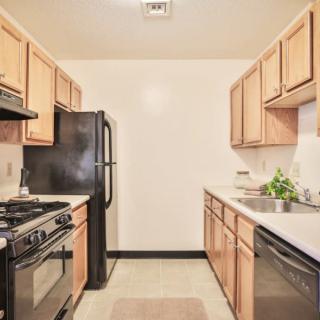
 Kitchenette
 Move-in coordination
 Outdoor space
 Private bathrooms
 Restaurant-style dining
 Small library
 Telephone
 Wellness center
 Wi-Fi/high-speed internet available
 Portland International Jetport (18 miles away)
 Community operated transportation
 24-hour call system
 Activities of daily living assistance
 Assistance with bathing
 Assistance with dressing
 Assistance with transfers
 Diabetes diet
 Medication management
 Special dietary restrictions
 Concierge services
 Planned day trips




 When to Transition from Assisted Living to Memory Care: Key Indicators, Steps, and Finding the Right Community
 Assisted Living and Memory Care: Understanding Their Core Differences
 Beyond the Bingo Hall: 50+ Enriching Activities for Seniors in Assisted Living