
80 Main Street, Franklin, ME 04634
For more information about senior living options: (866) 208-4318
Overall Review of The Franklin House
Pros
 The boarding home is nice and features friendly staff.
- The staff are caring, hardworking, and attentive to residents.
- The owner is accommodating, securing a room and allowing a resident's cat to stay, easing transitions.
- The home feels like a personal residence rather than an institution.
- Residents enjoy celebrations and activities such as birthday parties, outings, and Sunday church services.
- Golden Acres is praised for taking good care of residents.
Cons
 They force people who have COVID to work.
- They would not recommend anyone going there.
- The care, staff, food, and smell at Golden Acres were not good.
Review
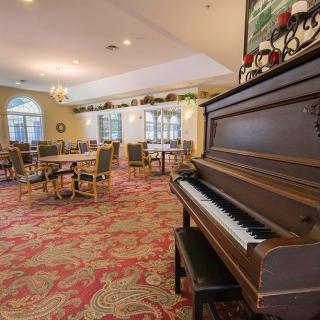
The Franklin House is best suited for seniors who prize a small, home-like atmosphere and personal attention over institutional polish. It fits residents who want a warm, residential setting with a caregiver presence that feels more like a family than a facility staff. It can work for someone who enjoys social moments, birthday celebrations, simple outings, and church services in a living-room setting, and who does not require highly structured medical programming or constant clinical oversight. In short, this community appeals to families seeking a nonclinical, intimate boarding option where staff goodwill and a homelike vibe carry real weight in daily life.
Those who may want to consider alternatives are clear: households needing reliable, consistent high-level care, strong clinical supervision, or consistent dining and housekeeping standards may be disappointed. The reviews signal a wide variability in care quality, and the strongest cautions focus on overall care, staff consistency, and the dining and fragrance of the environment. For families prioritizing dependable daily routines, predictable meals, and rigorous safety standards, a larger, more resource-rich assisted living or a traditional nursing setting would likely deliver more peace of mind and fewer surprises.
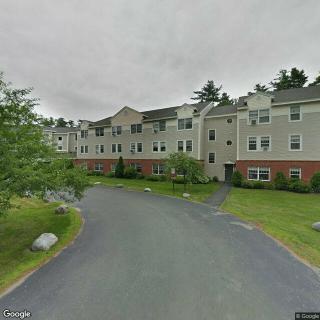
On the positive side, the strongest selling points center on a genteel, homey feel and real person-to-person care. One reviewer highlights a friendly staff that contributes to a feeling of warmth and welcome, while another emphasizes the owner’s willingness to accommodate meaningful resident needs, such as allowing a beloved pet and making room for important life transitions. The setting itself, an old Victorian home converted into a residential boarding space, creates an atmosphere that many families associate with comfort and nostalgia. In such an environment, residents often experience social rituals, personal touches, and a sense of being valued in a smaller, more intimate community.
However, the drawbacks are not trivial. A notable portion of feedback points to care quality, the day-to-day experience of staff, and the overall ambiance in terms of cleanliness and scent. The negative voice is pointed: some reviewers would not recommend the place, citing concerns about care and the overall impression of the environment, food quality and smell among the tangible pain points. This pattern suggests a real risk of inconsistency, where one resident may receive attentive, thoughtful care while another encounters lapses in everyday operations. Prospective families must weigh the potential for genuine, personal warmth against the possibility of uneven service and basic quality issues.
The key decision hinge is this: if the priority is a home-like setting with a responsive small-community feel, the positives can feel meaningful enough to offset notable drawbacks, especially when family members can stay active in oversight and advocate for consistent care. The positive experiences imply that staff can be caring, and the owner can be flexible and humane in addressing special situations. Yet the drawbacks cast a long shadow on reliability. For families able to invest time in careful observation, interviews, and ongoing dialogue with staff, this facility can be a good fit for a resident who values atmosphere and personal connection over a perfectly uniform day-to-day program. For those needing steady care metrics, calm meals, and uniformly high standards, the search should continue with other options that deliver more consistency and fewer red flags.
Practical next steps: visit with a clear checklist in mind. Observe how staff interact with residents across different times of day, ask directly about certifications, and request to review recent inspection reports and staffing patterns. Inquire about meal plans, menu flexibility, and any recent changes to housekeeping or odor control. Discuss contingency plans for medical needs, emergency response times, and how care plans are updated. And if possible, arrange a stay-by-day trial or a short visit to gauge whether the home-like pace actually matches the resident’s personality and needs. In the end, The Franklin House should be considered a provisional fit for families who prize warmth and flexibility, with a concrete plan to monitor quality and a readiness to pivot if the day-to-day reality diverges from expectations.
 8 resident community capacity
 Assisted Living
 Cable or satellite TV
 Dining room
 Fully furnished
 Garden
 Housekeeping services
 Move-in coordination
 Outdoor space
 Telephone
 Wi-Fi/high-speed internet available
 24-hour supervision
 Activities of daily living assistance
 Assistance with bathing
 Assistance with dressing
 Assistance with transfers
 Diabetes diet
 Meal preparation and service
 Medication management
 Special dietary restrictions
 Transportation arrangement (medical)
 Transportation to doctors appointments

 How and When Medicaid May Cover Assisted Living Costs
 A Detailed Exploration of Assisted Living Medicaid Waivers Across the United States
 Comprehensive Residential Support and Assisted Living Solutions for Individuals with Disabilities