
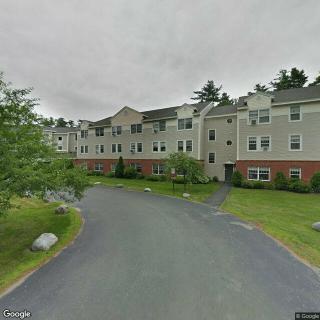
1421 Us Highway 1, Hancock, ME 04640
For more information about senior living options: (866) 208-4318
Overall Review of Hancock Golden Acres
Pros
 No positive statements were found in the provided review.
Cons
 The facility is not suitable for elderly residents.
- The staff are neglectful and lazy, and some treat residents abhorrently.
- The place should be shut down.
Review
This community is best suited for no one who prioritizes reliable, compassionate daily care. The sole review available paints Hancock Golden Acres as a place where basic oversight is missing, staff are described as neglectful and lazy, and residents are treated with a level of hostility that betrays any expectation of safety or dignity. In practical terms, this facility would only be considered by families with limited options and the ability to supervise care almost constantly. For a senior with even modest medical or mobility needs, the risk of unaddressed problems and escalating harm far outweighs any potential upside.
Anyone evaluating assisted living in Hancock, ME should plan to compare multiple options and prioritize facilities with proven commitments to resident welfare. If safety, respectful treatment, timely assistance, and clean, well-staffed environments matter, alternatives should be pursued aggressively. The account here signals that high-concern issues, neglect, laziness, and mistreatment, far outweigh any perceived benefits. Families with loved ones who require consistent supervision, medication management, or meaningful social engagement will want to steer toward other communities rather than this one. Even as a last resort, the risk calculus remains unfavorable.
Pros, if any, are extremely difficult to substantiate based on the report. The discussion centers on core failures rather than tangible strengths, so any presumed advantages, such as location or cost, do not come close to offsetting the grave concerns described. The main cons are clear and compelling: chronic neglect, disengaged staff, and behavior toward residents that undermines dignity and safety. In practical care decisions, those deficiencies create an untenable environment, where the few potential perks cannot compensate for the lived experience of residents and the stress placed on families seeking reliable supervision.
Families considering alternatives should approach the evaluation with a structured due-diligence plan. Conduct unannounced tours when possible, speak directly with current residents and their families, and demand candid answers about staffing levels, turnover, and day-to-day responsiveness. Request recent state inspection reports and any corrective action plans, paying close attention to repeated issues and the facility’s track record in implementing changes. Push for demonstrations of how care plans are developed, updated, and communicated, and inquire about avenues for family involvement in ongoing care decisions.
In evaluating competing options, prioritize facilities that demonstrate consistent staffing, well-trained caregivers, transparent reporting, and tangible evidence of resident-centered programs. Look for clear routines that ensure timely assistance with activities of daily living, reliable medication management, and proactive safety measures. Ask about memory-care capabilities if needed, available social and clinical supports, and the facility’s approach to resident rights, dignity, and conflict resolution. The right choice will balance responsive care with a respectful, home-like environment that actively mitigates risks rather than normalizes neglect.
A clear, protective verdict emerges: Hancock Golden Acres should be avoided unless every viable alternative in the area has been exhausted and there exists a robust plan for oversight, monitoring, and immediate transfer if care standards falter. Families should pursue options with documented accountability, strong staff engagement, and third-party validation of quality. If this facility is still under consideration due to constrained circumstances, engage a senior-care advocate or attorney to review contracts, care agreements, and cost structures, and prepare to escalate concerns to state elder-services authorities without hesitation. The priority remains unmistakable: a safe, respectful, and consistently attentive home for the elder in question, not a setting that tolerates neglect or mistreatment.
 8 resident community capacity
 Assisted Living
 Cable or satellite TV
 Dining room
 Fully furnished
 Garden
 Housekeeping services
 Move-in coordination
 Outdoor space
 Telephone
 Wi-Fi/high-speed internet available
 24-hour supervision
 Activities of daily living assistance
 Assistance with bathing
 Assistance with dressing
 Assistance with transfers
 Diabetes diet
 Meal preparation and service
 Medication management
 Special dietary restrictions
 Transportation arrangement (medical)
 Transportation to doctors appointments



 Comprehensive Supportive Living Arrangements for Adults with Disabilities
 Funding and Affording Assisted Living: A Thorough Overview
 Assisted Living Expenses and Long-Term Care Insurance: A Comprehensive Exploration