
80 Main Street, Franklin, ME 04634
For more information about senior living options: (866) 208-4318
Overall Review of Franklin-Golden Acres
Pros
 The facility is a nice little boarding home with friendly staff.
- The staff are caring, hardworking, and attentive to residents.
- The home feels more like a personal home than an institution.
- Residents enjoyed celebrations, special outings, and Sunday church services.
- The owner was accommodating in finding a suitable room for those needing more care.
- The home allowed a resident to keep her cat, easing the transition.
Cons
 They force people who have COVID to work.
- One would not recommend anyone go there.
- The care at Golden Acres was not good.
- The smell at Golden Acres was not good.
Review
Franklin-Golden Acres is best suited for families seeking a small, home-like living arrangement where a hands-on owner-operator can tailor care to individual rhythms and where pets and personal touches matter. It works well for residents who prefer a non-institutional vibe, steady social engagement, and flexible rooming options in a setting that feels more like a house than a clinical facility. Those needing a high level of medical oversight, strict safety protocols, or a polished, hotel-like environment will likely find it lacking. The balance here leans toward warmth, informal routines, and attentive, personalized attention, not toward standardized clinical care plans or corporate resilience.
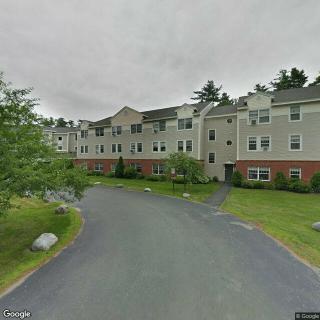
Inside, the place is described as a Victorian home converted into a residential boarding setting. The atmosphere is intimate, with birthday celebrations, group outings, and Sunday church services that anchor residentsā€™ weeks. The owner, Diane, emerges as a central figure, responsive, accommodating, and willing to arrange rooming or keep a beloved pet close. Staff are portrayed as friendly and hardworking, capable of delivering attentive care in a setting that feels homely rather than institutional. For families, this combination of personalization and warmth can ease transitions and nurture a sense of belonging.
Yet the experience is not uniform. Reviews span from warm endorsements to serious cautions: one account extols the care, the community spirit, and the way the staff engage residents; another paints a completely different picture, citing overall neglect, poor food, and a smell that lingers. The most critical voices suggest care quality and daily operations may be inconsistent, with expectations not always aligned to reality for some residents. This divergence points to variability that families must actively assess during a visit, rather than rely on general impressions.
Those positive elements do offset some downsides for residents who value companionship, a familiar routine, and a personal touch over antiseptic efficiency. The homey feel, pet-friendly policy, and social programming can translate into meaningful quality of life for individuals who thrive on frequent contact with staff and neighbors. However, the offset is fragile: if daily care feels uneven, meals fall short, or odors become an issue, the initial warmth can quickly give way to frustration. In such cases, the risks of inconsistent care outweigh the comforts of a house-like setting.
For families weighing options, alternatives become worth considering if medical complexity is high or if reliable, consistent care is non-negotiable. Prospects that demand regular clinical oversight, robust dining services, strong sanitation measures, or a more predictable schedule may point toward a larger, more structured facility or a community with clearly documented standards. Prospective residents who are sensitive to odors or who prize a neutral, modern ambiance may also favor other communities that emphasize clinical efficiency and standardized programming over home-like informality.
Practical steps for decision-making are clear: visit with a focused checklist, observe how staff interact with residents, and gauge how meals look and taste. Inquire about staff-to-resident ratios and who handles medical needs day-to-day, ask how often outings and activities occur, and verify pet policies, private rooms, and the intake process. Seek current resident or family references and request a short-term stay to test fit. The verdict hinges on whether the resident values a personal, affectionate environment more than uniform care delivery, or whether dependable, systematic care is the priority.
 8 resident community capacity
 Assisted Living
 Cable or satellite TV
 Dining room
 Fully furnished
 Garden
 Housekeeping services
 Move-in coordination
 Outdoor space
 Telephone
 Wi-Fi/high-speed internet available
 24-hour supervision
 Activities of daily living assistance
 Assistance with bathing
 Assistance with dressing
 Assistance with transfers
 Diabetes diet
 Meal preparation and service
 Medication management
 Special dietary restrictions
 Transportation arrangement (medical)
 Transportation to doctors appointments


 Vibrant Senior Living: A Comprehensive Guide for Active Older Adults
 When to Transition from Assisted Living to Memory Care: Key Indicators, Steps, and Finding the Right Community
 Assisted Living and Memory Care: Understanding Their Core Differences