
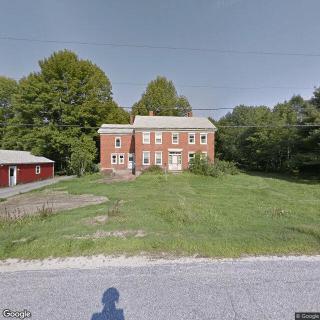
36 Gordon Road, Dayton, ME 04005
For more information about senior living options: (866) 208-4318
Overall Review of Support Solutions - Gordon
Pros
 Support Solutions are simply awesome.
- The very best place to be CRMA certified.
Cons
 The company is neglectful and unprofessional.
- Support Solutions has demonstrated a severe lack of care for its clients, leaving them unattended and vulnerable.
- A disabled client was left without supervision or support.
- The company’s failure to provide consistent support or supervision has created a dangerous environment.
- It is a serious breach of responsibility to leave a disabled person without staff.
- The reviewer urges others to reconsider using Support Solutions for professional care, citing negligence.
- The reviewer states that a friend's rights were violated and that the friend cannot hang out.
Review
Support Solutions - Gordon in Dayton, ME is best suited for seniors who are largely independent and for families that can provide hands-on oversight and rapid response when concerns arise. The setting appears to accommodate routine daily living needs, but it is not reliably aligned with ongoing, hands-on supervision for residents who require regular support. The few clearly stated positives touch on staff credentials and a culture of professional training, yet those strengths do not consistently translate into safe, dependable care in practice. This creates a practical reality: the community may work for low-care needs in a tightly monitored situation, but it is not a dependable home for those who require steady, proactive supervision.
Families should explicitly consider alternatives if a loved one needs reliable, high-touch care or if there is a significant risk of falls, cognitive impairment, or medical complexity. For residents who depend on consistent staffing, real-time supervision, and strong incident follow-up, other options with demonstrated staffing stability and transparent safety records are worth pursuing. In Dayton or nearby, look for communities that publish concrete staffing ratios, frequent check-ins, and prompt, documented responses to changing health status. If a caregiver team cannot be trusted to be present when needed, the search should continue.
The principal upsides center on credentialing and the perception that staff training matters. The facility is noted for having CRMA-certified personnel, which suggests a baseline level of professional competency and an emphasis on proper handling of care tasks when staff are on site. For families who can tightly coordinate schedules and ensure consistent coverage, that credentialing can translate into more reliable care during shifts. And where residents experience moments of quality interaction or assistance, those instances reflect what the team is capable of delivering on a good day.
But the core negatives are hard to overlook. Reports describe neglectful and unprofessional behavior, with clients left unattended and a disabled resident left to manage basic tasks without supervision. A fall resulting in a reopened head injury underscores the severity of the risk when supervision lapses occur. The recurring theme is a dangerous environment created by inconsistent support and insufficient staff presence, a breach of the basic responsibility to protect vulnerable residents. These are not minor irritants; they are fundamental failures that threaten safety and trust in the care relationship.
The key question is whether the few credible pros can meaningfully offset the dominant cons. In this case, CRMA-certified staff is a defensible strength on paper, but it cannot compensate for chronic staffing gaps, inconsistent monitoring, and the possibility of dangerous, unattended moments. When care needs escalate, the absence of reliable supervision becomes the deciding factor, and the positives prove insufficient to guarantee safety. Pros may ease communication and aid on days when a high-quality caregiver is actually on shift, yet the absence of consistent coverage makes that relief unreliable for families seeking steady, predictable care.
Actionable steps for families considering this community are clear. During visits, press for a detailed, written care plan that assigns specific caregivers to specific shifts, with guaranteed coverage for key times (meals, meds, and evenings). Request daily notes, incident reporting procedures, and a transparent system for escalating concerns to a supervisor. Ask for demonstrations of how supervision is ensured during high-risk times and insist on an ongoing, reviewable staffing schedule. If the answers feel uncertain or if there is reluctance to provide documentation, view it as a red flag. Given the pattern of reviews, this community should be chosen with strong contractual guarantees and ongoing oversight, and only if alternatives that demonstrate robust safety and consistent staffing are not feasible.
 3 resident community capacity
 Assisted Living
 Cable or satellite TV
 Dining room
 Fully furnished
 Garden
 Housekeeping services
 Move-in coordination
 Outdoor space
 Telephone
 Wi-Fi/high-speed internet available
 Portland International Jetport (15 miles away)
 24-hour supervision
 Activities of daily living assistance
 Assistance with bathing
 Assistance with dressing
 Assistance with transfers
 Diabetes diet
 Meal preparation and service
 Medication management
 Special dietary restrictions
 Transportation arrangement (medical)
 Transportation to doctors appointments



 Assisted Living Expenses and Long-Term Care Insurance: A Comprehensive Exploration
 Securing Financial Support for Assisted Living: A Comprehensive Overview
 Social Security Benefits and Assisted Living: Navigating Options Across the U.S.