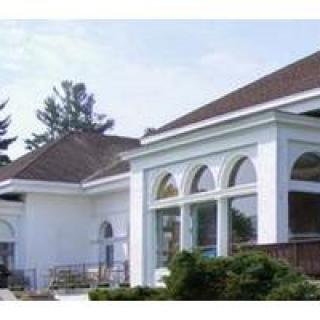
The Parish House in Bar Harbor, ME

Information last verified:

27 Kennebec Street, Bar Harbor, ME 04609

For more information about senior living options: (844) 490-3973

4.7 from 56 reviews
5 stars
43
4 stars
10
3 stars
2
2 stars
0
1 stars
1

Seniors.FYI Elite Community Awards

Top 5% Senior Living Community in 2020Top 5% Senior Living Community in 2023

Add this award to your website

Overall Review of The Parish House

Pros

  • pro The Tiffany windows and the service are highlights for visitors.
  • pro The church's architecture is beautiful.
  • pro The interior is gorgeous, with twelve Tiffany stained-glass windows that are incredibly beautiful.
  • pro It is a great place for stained-glass fans to visit.
  • pro The church is beautiful, with welcoming people and museum-quality Tiffany stained glass.
  • pro The old building is beautiful and offers a meaningful message.
  • pro It is a must-see in Bar Harbor, especially for Tiffany windows.
  • pro The twelve Tiffany stained-glass windows are spectacular and create a peaceful atmosphere.
  • pro The church is a beautiful, historic, and well-kept place with a calm, meditative vibe.

Cons

  • pro The brochure available in the church was confusing and did not clearly identify which windows were Tiffany.
  • pro There was no priest available, and the service was short.
  • pro The brochure lists the windows by number, which is not user-friendly.
  • pro One reviewer described the church as very petty.

Review

The Parish House in Bar Harbor is best suited for families seeking a culturally rich, spiritually quiet experience rather than a traditional assisted-living environment. It appeals to residents or visitors who prize architectural drama, historic texture, and a serene setting where reflection can unfold without the bustle of everyday care routines. The space shines as a memory-worthy destination, an elegant, instrument-like backdrop for quiet personal time, meaningful conversations, and learning about local history through its Tiffany stained glass and craftsmanship. It is a place where a resident who values beauty, contemplation, and a sense of place can feel anchored, provided that care needs stay outside the core function of the site.

For a family weighing assisted living options, the Parish House also highlights clear limits. Those whose top priority is ongoing daily living support, 24/7 caregiving, regular meals planned around medical or dietary requirements, medication management, housekeeping, transportation to appointments, or structured social programming, will want to consider alternatives. The Parish House is not a licensed care setting; there is no on-site medical staff or resident-centered care plan to meet evolving health needs. For someone who requires routine supervision, mobility assistance, or memory-care programming, a purpose-built senior living community with licensed staff will deliver more reliable safety and daily support. In short, this site serves as a compelling cultural and contemplative enclave for independent visitors or residents, not a replacement for full-service senior living.

The strongest positives here revolve around environment and enrichment. The 12 Tiffany windows and the broader architectural ensemble create a unique, nearly museum-like appeal that cannot be matched by generic facilities. Visitors consistently encounter a peaceful atmosphere, a sense of history, and a strong community welcome. The public accessibility, open hours, occasional tours after Sunday services, and the opportunity to learn about the island’s past, gives families a meaningful backdrop for visiting relatives who crave beauty and quiet connection. The setting also features practical touches that enhance accessibility and hospitality, such as visible attempts at welcoming gardens and a wheelchair ramp in use, underscoring a commitment to inclusion where possible within a historic building. For relatives who want a place to pause, reflect, and discuss life stories, the pros align well with the moment.

Yet, even the best aspects do not mask the key cons when the decision hinges on true assisted living. The most significant limitation is the absence of resident-focused care services. Short, infrequent services and the lack of a resident-care framework mean there is no reliable structure for ongoing daily living support. Brochures and tours, while informative about the windows and history, are not configured for someone evaluating long-term daily needs. Identification of each Tiffany window is not particularly user-friendly, and some visitors find the printed materials confusing rather than clarifying. For a family that requires clear, organized information about care logistics, the experience may feel insufficient or incomplete, prompting the search for a facility where care and programming are explicit and predictable.

The way the Parish House’s strengths offset its limitations rests on the potential integration of the space into a broader care plan rather than as a stand-alone solution. The beauty and serenity of the environment can complement a daily-care setting as a weekly cultural excursion, a place for quiet family time, or a restorative visit for residents who enjoy spirituality and history as part of their wellness mix. The architecture and stained glass provide conversation starters, cognitive stimulation, and emotional grounding that can enrich a resident’s life when paired with appropriate care services elsewhere. In that light, the pros become a strategic bonus to a care plan rather than a substitute for one, offering a meaningful supplement that strengthens overall well-being if the primary caregiving needs are already met elsewhere.

Bottom line: for families exploring assisted living, The Parish House should be viewed as a valued enclave for enrichment rather than a primary care setting. It is ideally suited for an independent or near-independent resident who cherishes beauty, history, and peaceful reflection, or for visitors seeking a quiet, culturally resonant stop during a Bar Harbor stay. Those who require consistent daily assistance, structured activities led by professional staff, or medical oversight will find the Parish House inadequate on its own and should prioritize alternatives that provide licensed care, nutrition management, and robust safety protocols. The prudent approach is to schedule a visit to experience the space, ask pointed questions about any on-site services or partnerships, and assess how a weekly or monthly engagement with this historic venue might fit within a broader, fully supported care plan. In practice, the Parish House functions best as a complementary companion to true assisted living, an enriching, soul-satisfying addition to a care strategy rather than its centerpiece.

Features

Housing

  • 6 resident community capacity 6 resident community capacity

Types of Care

  • Assisted Living Assisted LivingAssisted living facilities provide crucial support and care for seniors who may need help with daily tasks such as medication management, bathing, and meal preparation. These communities offer a safe and comfortable environment where seniors can maintain their independence while receiving the assistance they need to thrive in their golden years.

Amenities

  • Cable or satellite TV Cable or satellite TVCable or satellite TV is important for seniors because it provides entertainment, news, and companionship, helping to combat loneliness and boredom. It also offers a wide range of programming options tailored to different interests and preferences.
  • Dining room Dining roomDining rooms are important for seniors as they provide a space for socialization, connection, and nutritious meals. They offer opportunities for residents to bond over shared meals, foster a sense of community, and promote healthy eating habits. Dining rooms also ensure that seniors have access to well-balanced meals tailored to their dietary needs and preferences.
  • Fully furnished Fully furnishedFully furnished senior living communities are important for seniors because they provide convenience, comfort, and a hassle-free moving experience. Seniors can easily settle into their new living space without the stress of having to buy and move furniture. This allows them to focus on enjoying their new home and community.
  • Garden GardenGardens are important for seniors as they provide a peaceful and therapeutic environment for relaxation, physical activity, and socialization. Being in nature has been shown to reduce stress, improve mood, and promote overall well-being. Gardens also offer opportunities for seniors to engage in gardening activities, which can improve mobility, flexibility, and cognitive function. Additionally, gardens create a sense of community and connection with others who share a passion for plants and outdoor spaces.
  • Housekeeping services Housekeeping servicesHousekeeping services are important for seniors because they help maintain a clean and safe living environment, promote independence, and reduce the risk of accidents or illnesses. Additionally, having assistance with household chores can alleviate physical strain and allow seniors to focus on other aspects of their well-being.
  • Move-in coordination Move-in coordinationMove-in coordination is important for seniors because it helps ease the transition into their new living environment. It ensures that all logistics, such as packing, organizing movers, and setting up utilities are taken care of, allowing seniors to focus on settling in and adjusting to their new home. Having a smooth move-in process can alleviate stress and anxiety, making the transition smoother and more enjoyable for seniors.
  • Outdoor space Outdoor spaceOutdoor spaces are important for seniors as they provide opportunities for physical activity, social interaction, exposure to natural light and fresh air, and a sense of connection to nature. Having access to outdoor spaces can improve overall well-being and quality of life for older adults living in senior communities.
  • Telephone TelephoneTelephones are important for seniors as they provide a lifeline for communication with loved ones, emergency services, and healthcare providers. They offer a sense of security and independence, enabling seniors to stay connected and access assistance when needed.
  • Wi-Fi/high-speed internet available Wi-Fi/high-speed internet availableWi-Fi/high-speed internet is important for seniors to stay connected with loved ones, access online resources, and participate in virtual activities to combat feelings of loneliness and isolation. It also allows them to easily manage healthcare needs, access entertainment, and engage in lifelong learning opportunities.

Care Services

  • 24-hour supervision 24-hour supervision24-hour supervision is important for seniors to ensure their safety, well-being, and access to immediate assistance in case of emergencies or health issues. This constant support provides peace of mind for both seniors and their loved ones, allowing them to age in place with dignity and security.
  • Activities of daily living assistance Activities of daily living assistanceActivities of daily living assistance are important for seniors because they provide essential support with tasks such as eating, bathing, dressing, and mobility. This assistance helps seniors maintain their independence, dignity, and overall quality of life as they age.
  • Assistance with bathing Assistance with bathingAssistance with bathing is crucial for seniors as it helps maintain personal hygiene, prevents infections, and ensures their overall well-being and comfort. It also provides a sense of dignity and independence for seniors who may struggle with this task on their own.
  • Assistance with dressing Assistance with dressingAssistance with dressing is important for seniors because it helps maintain their independence, promotes personal hygiene, prevents accidents and injuries, and improves overall quality of life. This service ensures that seniors can continue to dress comfortably and confidently, despite any physical limitations they may have.
  • Assistance with transfers Assistance with transfersAssistance with transfers is crucial for seniors as it helps prevent falls and injuries, maintains their independence, and ensures they can safely navigate their living environment. It also provides peace of mind for both seniors and their loved ones.
  • Coordination with health care providers Coordination with health care providersCoordination with health care providers is crucial for seniors to ensure proper medical care, medication management, and overall well-being. This collaboration helps prevent overlapping treatments, track progress more effectively, and provide comprehensive support tailored to individual needs.
  • Diabetes diet Diabetes dietA diabetes diet is crucial for seniors as it helps manage blood sugar levels, reduce risks of complications, and improve overall health and well-being. By following a balanced and nutritious diet tailored to their specific needs, seniors can better control their diabetes and enhance their quality of life.
  • Meal preparation and service Meal preparation and serviceMeal preparation and service are crucial for seniors as they may have limited mobility or energy to cook nutritious meals. Having access to healthy and convenient food options can ensure they are getting the proper nutrition needed to maintain their overall health and well-being.
  • Medication management Medication managementMedication management is crucial for seniors to ensure they are taking the right medications at the correct dosages and times. This helps prevent adverse drug interactions, reduces the risk of medication errors, and promotes overall health and well-being. Proactive management also allows for adjustments as needed based on changing health conditions or new prescriptions.
  • Special dietary restrictions Special dietary restrictionsSpecial dietary restrictions are important for seniors because age-related changes in metabolism and health conditions can make it difficult for their bodies to process certain foods. By following a diet tailored to their specific needs, seniors can maintain their overall health and well-being, manage chronic conditions, and reduce the risk of complications such as malnutrition or food interactions with medications.
  • Transportation arrangement (medical) Transportation arrangement (medical)Transportation arrangements for medical purposes are essential for seniors as they may have difficulty driving themselves to appointments or accessing public transportation. Having reliable and safe transportation options ensures that seniors can receive timely medical care and maintain their health and well-being.
  • Transportation to doctors appointments Transportation to doctors appointmentsTransportation to doctors' appointments is crucial for seniors as it ensures they have access to necessary medical care and support for their health needs. Without reliable transportation, seniors may struggle to attend important appointments, leading to potential delays in treatment and health complications. Providing transportation services helps seniors maintain their overall well-being and quality of life.

Dining

  • Diabetes diet Diabetes dietA diabetes diet is crucial for seniors as it helps manage blood sugar levels, reduce risks of complications, and improve overall health and well-being. By following a balanced and nutritious diet tailored to their specific needs, seniors can better control their diabetes and enhance their quality of life.
  • Special dietary restrictions Special dietary restrictionsSpecial dietary restrictions are important for seniors because age-related changes in metabolism and health conditions can make it difficult for their bodies to process certain foods. By following a diet tailored to their specific needs, seniors can maintain their overall health and well-being, manage chronic conditions, and reduce the risk of complications such as malnutrition or food interactions with medications.

Activities

  • Community-sponsored activities Community-sponsored activitiesCommunity-sponsored activities are important for seniors as they provide opportunities for social interaction, mental stimulation, and physical activity. These activities can help improve overall well-being, combat loneliness and isolation, and promote a sense of belonging and purpose among older adults.
  • Scheduled daily activities Scheduled daily activitiesScheduled daily activities are important for seniors because they provide structure, socialization, mental stimulation, and physical activity. Engaging in regular activities can improve overall well-being and quality of life for seniors living in a community setting.

Description

The Parish House in Bar Harbor, ME is a fully furnished assisted living community that offers a wide range of amenities and care services to meet the needs of its residents. With a dining room on-site, residents can enjoy delicious meals prepared by the staff while accommodating any special dietary restrictions they may have.

The community also features a beautiful garden and outdoor space where residents can relax and enjoy nature. Housekeeping services ensure that the living spaces are clean and well-maintained, allowing residents to focus on enjoying their time in the community.

For those who require assistance with activities of daily living, such as bathing, dressing, and transfers, trained staff members are available to provide support. The community also coordinates with health care providers to ensure that residents receive the necessary medical care and medication management.

Residents at The Parish House can take advantage of scheduled daily activities that provide opportunities for socialization and engagement with fellow residents. Additionally, there are two cafes nearby for those who want to explore the local dining scene or enjoy a coffee outing.

The community's convenient location offers easy access to various amenities in the surrounding area. There are three parks nearby for leisurely walks or outdoor activities, as well as two pharmacies for prescription needs. For medical appointments, transportation arrangements can be made.

With four physicians nearby and two hospitals in close proximity, residents at The Parish House have access to quality healthcare services when needed. There is also a place of worship nearby for those who desire spiritual support.

Overall, The Parish House in Bar Harbor provides a comfortable and supportive environment for seniors seeking assisted living services. Its range of amenities and care services ensure that each resident's individual needs are met while promoting an enriching lifestyle.

Nearby Places of Interest

Restaurants

  • Side Street Cafe (0 miles)
  • Reel Pizza Cinerama (0 miles)
  • The Dog and Pony Tavern (0.1 miles)
  • Project Social (0.1 miles)
  • Siam Orchid (0.1 miles)
  • Rosalie's Pizza (0.1 miles)
  • Thirsty Whale (0.1 miles)

Cafes

  • Cafe This Way (0.1 miles)
  • Choco-Latte (0.2 miles)
  • J.M. Gerrish Restaurant (5.9 miles)
  • Sweet Pea's Cafe (6.1 miles)
  • The Bakery (6.3 miles)
  • Josie's Country Store and Cafe (14.9 miles)

Pharmacies

  • Walgreens (0.1 miles)
  • West End Drug Co. (0.1 miles)
  • Walmart Pharmacy (13.3 miles)
  • Hannaford Pharmacy (14.1 miles)
  • Walgreens (14.1 miles)
  • Shaw's Pharmacy (14.4 miles)

Places of Worship

  • Holy Redeemer Catholic Church (0.1 miles)
  • Prospect Harbor United Methodist Church (9 miles)
  • Union Cong Church Of Hancock (10.2 miles)
  • Ellsworth United Methodist Church (15 miles)

Parks

  • Agamont Park (0.2 miles)
  • Grant Park In Albert Meadow (0.3 miles)
  • Acadia National Park (2.8 miles)
  • Suminsby Park (6 miles)
  • Lamoine State Park (6.5 miles)
  • Summit of Acadia Mountain (7.3 miles)
  • Ellsworth Waterford Park and Marina (14.7 miles)

Physicians

  • Cooper-Gilmore Health Center (0.3 miles)
  • Women's Health Center (0.3 miles)
  • Cadillac Family Practice (0.3 miles)
  • Lisa Stewart Women's Health Center (0.4 miles)
  • Eleanor Widener Dixon Memorial Clinic (7.9 miles)
  • Gouldsboro Clinic (7.9 miles)
  • Trenton Health Center (10.6 miles)

Hospitals

  • Mount Desert Island Hospital (0.3 miles)
  • Sonogee Rehabilitation and Living Center (1.5 miles)
  • DaVita Eastern Maine Dialysis (13.8 miles)
  • Maine Coast Memorial Hospital (15 miles)

Transportation

  • Hancock County - Bar Harbor Airport (BHB) (8.6 miles)
  • Enterprise Rent-A-Car (14.6 miles)

Frequently Asked Questions

Where is The Parish House?

Nearby Communities

  • Malvern Belmont

    Malvern Belmont

    Bar Harbor, ME

    2.8 from 5 reviews
     

    pro Nearby cafes, pharmacies, parks, physicians, restaurants, places of worship, and hospitals.

  • Sonogee Rehabilitation and Living Center

    Sonogee Rehabilitation and Living Center

    Bar Harbor, ME

    4.2 from 5 reviews
     

    pro Compassionate, empathetic staff with strong family support.

  • Don And Beth Straus Therapeutic Day Program

    Don And Beth Straus Therapeutic Day Program

    Bar Harbor, ME

    4.5 from 40 reviews
    $4,200 to $10,000 / month

    pro Comprehensive care options with diverse housing and on-site amenities.

  • Knox Road House

    Knox Road House

    Bar Harbor, ME


    pro Intimate, full-service care with dining, housekeeping, activities, and transportation.

  • Fremont Manor

    Fremont Manor

    Sullivan, ME

     
    $2,800 to $4,200 / month

    pro Affordable, competitive pricing for comprehensive assisted living services.

  • The Hancock Home 1

    The Hancock Home 1

    Hancock, ME


    pro Small, personalized setting with comprehensive care (24-hour supervision, ADL assistance) and on-site amenities.

Assisted Living in Nearby Cities

Related Resources

  • assisted living vs skilled nursingExploring the Contrasts Between Assisted Living and Skilled Nursing

    The article compares assisted living and skilled nursing facilities, detailing their differing levels of assistance, medical support, cost structures, and day-to-day experiences. It emphasizes that assisted living is for those needing help with daily activities while maintaining independence, whereas skilled nursing facilities provide intensive medical care with 24-hour staff supervision.

  • when to move from assisted living to nursing home8 Key Indicators That Suggest It May Be Time to Transition from Assisted Living to Skilled Nursing Care

    The transition from assisted living to skilled nursing care is often prompted by complex medical needs that assisted living cannot meet, with key indicators including frequent health declines, increased falls, severe memory issues, and caregiver burnout. Families should recognize these signs early to discuss options with healthcare providers and prepare for the emotional and logistical aspects of moving to a facility that offers comprehensive medical support.

  • active senior livingVibrant Senior Living: A Comprehensive Guide for Active Older Adults

    Vibrant Senior Living emphasizes active senior living communities that promote independence and engagement through diverse amenities and activities, fostering wellness and social interaction among older adults. These communities range from independent to assisted living, with a focus on personal growth, family involvement, financial planning, and leveraging technology to enhance residents' experiences.