131 Eden Street, Bar Harbor, ME 04609
For more information about senior living options: (866) 208-4318
Overall Review of Sonogee Rehabilitation and Living Center
Pros
 The nurse was kind and gentle with the mother.
- The staff were friendly and competent.
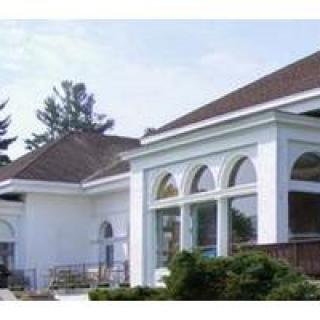
- The facility is lovely with a beautiful coastal location.
- The views from the windows are extraordinary.
- Staff were warm and friendly to visitors.
- The site is beautiful and magnificent on the Atlantic shoreline.
- The staff's follow-up with the family after the mother's passing was professional, courteous and helpful.
- Animal therapy with therapy dogs was offered twice weekly.
Cons
 The room appeared rundown, with peeling wallpaper and outdated furniture.
- There was an overwhelming odor in the hallway near the room.
- The building structure was in need of remodeling.
- There was a lack of privacy during visits.
- The facility was not as clean as other facilities in the region, and hand sanitizer was not readily available.
- Sanitation and hygiene were not particularly strong.
- The informality among staff and patients was off-putting.
- Housekeeping was a bit off point.
Review
This community is best suited for families seeking a warm, caregiving-focused environment in a spectacular coastal setting, where a steady, compassionate staff delivers attentive daily care and meaningful engagement for residents who may need palliative support or end-of-life comfort. The location itself, Bar Harbor’s oceanfront context, adds a powerful mood boost, giving residents and visiting families a sense of serenity and natural beauty that can ease the weight of difficult times. The core strength lies in the people: nurses and aides who are kind, steady, and demonstrably competent, with staff culture that emphasizes relationship-building and ongoing involvement with families.
Those considering alternatives should note that this facility is not ideal for families prioritizing pristine walls, boutique remodeling, or hospital-grade hygiene as a baseline. The physical plant shows signs of aging and remodel needs, with rooms that feel dated and some décor that could use refreshing. Visitors may also crave a stricter level of privacy during visits and more formalized, hospital-style protocols around cleanliness and sanitation. For families requiring a consistently immaculate environment, or a facility with high-visibility, standardized infection-control practices, the appeal here diminishes.
The strongest argument to move forward rests on the staff and the lived experience they foster. Reviews repeatedly highlight empathetic, compassionate care, and a staff culture that feels close-knit and genuinely engaged. The ability of caregivers to adapt as a patient’s condition evolves, particularly in palliative scenarios, stands out, with families noting the supportive, therapeutic relationship that develops over time. The site’s natural beauty and the sense of life within the building create everyday vitality: activities, staff involvement, and a steady stream of interaction with therapy animals contribute to a sense of purpose and companionship that can matter deeply for residents facing serious illness.
This emotional and relational strength partially offsets the downsides of the physical environment. When rooms feel worn and odor or cleanliness gaps are present, the people delivering care become the daily anchor. The facility’s coast-hugging views and accessible outdoor ambience can soften rough edges of aging interiors, while animal-assisted therapy adds a comforting, concrete touch that therapy-seekers and families often value highly. However, the informality that endears staff to families can also blur lines for some visitors, and the lack of robust, hospital-like hygiene rigor is a real concern for those who prioritize spotless, consistently sanitized spaces and highly private family conversations during visits.
Practical due-diligence matters markedly before choosing, because the decision hinges on fit as much as on care quality. Prospective families should assess how aggressively the building’s remodel needs are being addressed, and whether room updates align with expectations. Inquiries about housekeeping consistency, current sanitation routines, and readily available hand hygiene stations help gauge day-to-day environments. Verifying palliative and end-of-life care capabilities, and understanding how family involvement is structured and accommodated, will reveal whether the community’s strengths align with the resident’s trajectory. Observing a tour during active hours, views, common areas, and the cadence of daily life, can clarify how well the atmosphere supports ongoing independence, engagement, and dignity.
In the end, the best-fit residents are those who prioritize compassionate caregiving and a living environment that emphasizes connection, activity, and natural beauty, even if the physical surroundings are uneven or aging. This community excels where the human element matters most: sustained caregiver dedication, warmth, and a therapeutic culture that honors families during challenging times. It is less suitable for families requiring a pristine, highly sanitized, private, hospital-like setting or for those who insist on formal boundaries and a rigorously controlled environment. For those in the right frame of mind, a measured commitment to this Bar Harbor residence can translate into meaningful, steady care that honors both the resident’s comfort and the family’s peace of mind.
 40 resident community capacity
 Assisted Living
 Skilled Nursing Facility
 Beauty salon
 Cable or satellite TV
 Dining room
 Fully furnished
 Garden
 Housekeeping services
 Kitchenette
 Move-in coordination
 Outdoor space
 Restaurant-style dining
 Small library
 Telephone
 Wi-Fi/high-speed internet available
 24-hour call system
 Activities of daily living assistance
 Assistance with bathing
 Assistance with dressing
 Assistance with transfers
 Diabetes diet
 Medication management
 Mental wellness program
 Special dietary restrictions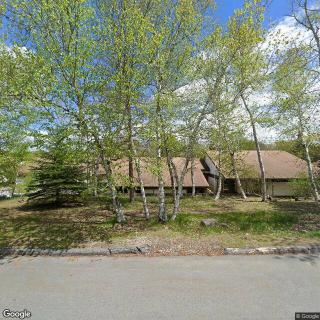


 Assisted Living Expenses and Long-Term Care Insurance: A Comprehensive Exploration
 Securing Financial Support for Assisted Living: A Comprehensive Overview
 Social Security Benefits and Assisted Living: Navigating Options Across the U.S.