
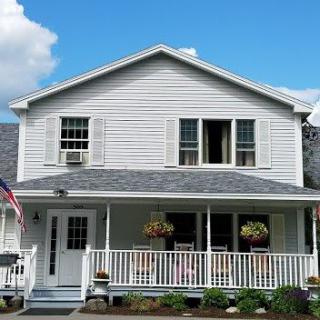
3 Hudson Street, Bangor, ME 04401
For more information about senior living options: (866) 208-4318
Overall Review of Ohi - Three Hudson Street
Pros
 The organization is a much-needed resource helping many people.
- OHI is a great organization that helps people in need every day.
- The staff are among the most caring and compassionate individuals, going above and beyond for their clients.
- OHI is awesome.
- Loved ones are truly cared for by OHI.
Cons
 They were not impressed with the care provided to their family member.
- Staff refused medical care for four days and forced her to do things she did not want to do.
- Things were looking grim.
- Someone answered and hung up on them.
Review
This community is best suited for adults who need supportive housing and daily living assistance, where the emphasis is on stable, person-centered care delivered by staff who invest in residents’ well‑being. Families drawn to a home‑like, community-based model will find value in relationships that persist over time and in a culture that stresses empathy and belonging. Those whose priority is rigorous medical oversight, rapid clinical response, or highly structured medical protocols should consider alternatives. The mix of experiences shared by families includes both deeply positive demonstrations of caring and troubling gaps in care delivery, so readiness to navigate uneven outcomes is essential.
The strongest asset here is the organization’s mission to help people in need and the evident dedication of staff to residents. Several reviewers describe staff as caring, compassionate, and willing to go above and beyond for those they serve, including moments of genuine warmth observed in everyday interactions. Long-tenured involvement, eight years in supportive housing, signals a stable, enduring presence that can offer residents a sense of continuity and belonging. A retired nurse’s observation that the team would be a place she would seriously consider working underscores a professional culture of commitment, even if experiences with care delivery vary. These factors collectively create a hopeful, dignified environment for daily living and social engagement.
Yet the downside is real and substantive. One reviewer directly questioned the quality of medical care, describing a period when care was not provided for several days, which raises concerns about clinical responsiveness and resident safety. Another account highlights communication friction, an instance of a staff member answering a call and then hanging up, pointing to gaps in responsiveness and reliability. In short, the care model appears to be more about housing stability and personal attention than about guaranteed, proactive medical management. When medical acuity rises or the need for timely interventions is urgent, these gaps become material risk factors to consider.
These pros and cons must be weighed in light of the resident’s needs. The caring staff and strong community ethos can offset some stressors associated with aging in place, isolation, or routine daily challenges by fostering connection, purpose, and security. For residents whose needs are predominantly social and functional support rather than high‑level medical care, the positives may significantly improve quality of life. Conversely, for families prioritizing medical oversight, prompt treatment decisions, and consistently reliable clinical coordination, the gaps identified in reviews suggest continued risk. In practice, this means the setting excels as a supportive home but is less suited as a substitute for a clinical care plan.
Prospective families should pursue targeted inquiries before committing. Ask how medical decisions are documented and communicated, who supervises medical care, and what steps are taken when a resident refuses care or requires urgent attention. Probe the process for handling grievances, response times for calls or emergencies, and the staffing levels across shifts. Request opportunities to observe care interactions, speak with current residents and family members, and review written policies on care coordination, medication management, and autonomy. If possible, arrange a short, trial period to assess whether the environment, staff philosophy, and operational rhythms align with the resident’s needs and the family’s expectations.
Bottom line: OHI at Three Hudson Street offers a practical, compassionate home for adults who thrive on steady human connection and daily assistive support. It is a solid choice for families seeking continuity, dignity, and warmth, especially when medical needs are manageable within a supportive housing framework. However, the experiences cited reveal notable gaps in medical responsiveness and communication that cannot be ignored. For residents requiring dependable medical oversight or for families risk-averse about care delays, exploring alternatives or using this community as a supplementary option with clear, documented care protocols is advisable. In the right match, the combination of caring staff and a stable, loving environment can deliver meaningful quality of life; in a mismatch, the same weaknesses become decisive barriers.
 6 resident community capacity
 Assisted Living
 Cable or satellite TV
 Dining room
 Fully furnished
 Garden
 Housekeeping services
 Move-in coordination
 Outdoor space
 Telephone
 Wi-Fi/high-speed internet available
 Bangor International (2 miles away)
 24-hour supervision
 Activities of daily living assistance
 Assistance with bathing
 Assistance with dressing
 Assistance with transfers
 Diabetes diet
 Meal preparation and service
 Medication management
 Special dietary restrictions
 Transportation arrangement (medical)
 Transportation to doctors appointments



 Comprehensive Supportive Living Arrangements for Adults with Disabilities
 Funding and Affording Assisted Living: A Thorough Overview
 Assisted Living Expenses and Long-Term Care Insurance: A Comprehensive Exploration