
60 Ohio Street, Bangor, ME 04401
For more information about senior living options: (866) 208-4318
Overall Review of Miller Terraces
Pros
 The group house is great.
- They get along with everyone.
- There are delicious meals every day.
- The thought is good.
- They look great.
Cons
 The place is described as somewhere people go to feel uncomfortable forever.
- The staff are belittled by senior authority figures who are power-hungry for control and dominance.
- There is no real growth; the environment is stagnant and as comfortable as quicksand that avoids challenges.
- Leadership fails to provide consistent motivation or quality assurance, and there is no standardized approach.
- They judge residents by arbitrary standards, like a fish judged by its ability to climb a tree.
- Public degradation, shaming, and humiliation of residents and staff are reported.
- The culture includes petty behavior from HR and a lack of genuine care for mental health or well-being.
Review
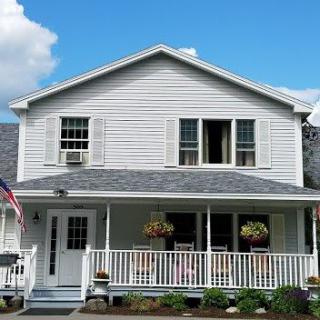
Miller Terraces in Bangor is best suited for seniors who prioritize a warm, group-home vibe and daily, reliable meals over formal, hospital-style care. The strongest draw is a sense of familiarity among residents: a small community where people can know one another, share meals, and feel part of a homelike setting. For families seeking a relaxed, social environment where companionship takes precedence and the day-to-day rhythm centers on meals and group activities, this community offers a tangible sense of belonging.
However, this option warrants caution for those who require consistently respectful staff interactions and a demonstrable culture of accountability. The most serious red flags in the feedback point to management and leadership dynamics: claims of belittling behavior by some supervisors, mood-driven expectations, and a perception that quality assurance and standardized care have not been effectively implemented. Potential residents who expect steady staff morale, predictable responses to concerns, and a culture that reinforces dignity and patient advocacy should consider other settings where governance and staff development are clearer priorities.
The clear positives, the “homey” atmosphere and the meals, do have value, and they can offset some loneliness and routine boredom for residents who are content with lighter supervisory oversight and fewer structured medical services. A strong social fabric and daily variety in meals can improve mood and provide a sense of welcome. Yet these advantages do not fully counterbalance the significant concerns cited about how residents and staff are treated, the absence of consistent leadership influence, and questions about whether care quality is standardized across shifts and teams. In practical terms, the appealing social layer may not be enough if safety, respect, and reliable care are in doubt.
Families evaluating this community should act as investigators, not bystanders. Ask to meet the on-site administrator and a handful of front-line staff, and request candid answers about staffing levels per shift, turnover, and procedures for addressing resident complaints. Probe the facility’s training program, performance QA measures, and how incidents are reviewed and corrected. Ask for recent state inspection results and any corrective action plans. Pay close attention to whether residents appear to be treated with patience and dignity, whether staff seem empowered rather than overworked, and whether there is a clear process for sick days, illnesses, and safe staffing.
During tours or sample days, observe the daily flow: how staff interact with residents, how requests are handled, and whether activities feel well-planned or reactive. Request a copy of the weekly activity calendar, a sample meal menu, and the medication management policy. Look for visible signs of a culture that supports growth, mentorship, and compassionate care rather than a rigid, top-down command structure. If possible, talk with current residents and family members about how concerns were addressed when they arose and whether they felt their loved one’s needs were anticipated rather than dismissed.
The bottom line is pragmatic and contextual. Miller Terraces can deliver a comfortable, sociable home-like living experience with dependable meals, which is valuable for residents who prioritize daily companionship and a non-institutional feel. Yet the community presents notable concerns around leadership style, consistency of care, and the emotional climate for both residents and staff. For families whose top priority is unwavering, respectful care and a transparent culture of accountability, alternative communities with stronger governance, clearer QA processes, and proven staff stability should be actively explored. In Bangor, as in any decision of this magnitude, a disciplined due diligence process, site visits, direct conversations, and a careful review of care practices, will determine whether Miller Terraces can truly meet the resident’s needs or if another option better fits the goal of safe, dignified living.
 10 resident community capacity
 Assisted Living
 Cable or satellite TV
 Dining room
 Fully furnished
 Garden
 Housekeeping services
 Move-in coordination
 Outdoor space
 Telephone
 Wi-Fi/high-speed internet available
 Bangor International (2 miles away)
 24-hour supervision
 Activities of daily living assistance
 Assistance with bathing
 Assistance with dressing
 Assistance with transfers
 Diabetes diet
 Meal preparation and service
 Medication management
 Special dietary restrictions
 Transportation arrangement (medical)
 Transportation to doctors appointments



 Comprehensive Insights into Activities of Daily Living (ADLs) and Their Assessment
 Guiding Elderly Parents Who Refuse Assisted Living: 6 Practical Steps
 Your Comprehensive Guide to Luxury Assisted Living: Elevated Facilities, Amenities, and Costs