
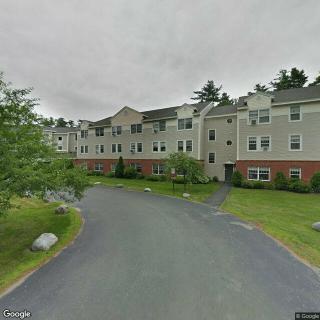
22 George Street, Bangor, ME 04401
For more information about senior living options: (866) 208-4318
Overall Review of Ohi - 22 George Street
Pros
 A much-needed organization helping so many people.
- OHI is a great organization that helps people in need every day.
- The staff at OHI are the most caring and compassionate individuals.
- OHI staff go above and beyond for all their clients.
- Loved ones are truly loved at OHI.
- A retired nurse would consider working at OHI.
Cons
 They were not impressed with the care provided to their family member.
- They allege the staff refused medical care for four days and forced her to do things she did not want to do.
- They felt that things were looking grim.
- They reported that someone answered and hung up on them.
Review
This community is best suited for older adults who need help with daily activities within a small, community-focused environment and for families that prize genuine, hands-on warmth from staff. Bangor residents seeking a place that feels like a supportive home, where caregivers know residents by name and staff members are inclined to go the extra mile, will likely find OHI appealing. The setting suits those who value stability, routine, and the sense that someone is watching over daily needs, meals, medications, mobility support, and social engagement, more than they demand high-intensity medical intervention. It is not a fit for someone who requires constant clinical oversight or rapid, professional medical escalation.
On the other hand, families confronting significant medical needs or requiring consistently dependable nursing management should consider alternatives. The strongest caveat is the potential for gaps in medical responsiveness or decision-making. Reports of care being delayed or refused for several days raise legitimate safety concerns for any resident whose condition could deteriorate without timely treatment. If medical complexity, prompt physician involvement, and transparent, documented decision processes are nonnegotiable, this community may fall short. Prospective residents who prioritize guaranteed medical responsiveness should evaluate other options with clearer clinical protocols and faster escalation pathways.
The primary advantages revolve around genuine compassion and daily organization. Reviews repeatedly underscore staff who express care and warmth, with observers noting that the team “goes above and beyond” and that residents feel truly valued. The facility’s ability to maintain an orderly, supportive framework for daily living, housing routines, social interaction, and consistent oversight of basic needs, produces a reliable baseline of stability. For families seeking reassurance that their loved ones are in a place where people invest time and attention in ordinary, meaningful moments, these strengths carry considerable weight. The positive impressions of some staff interactions are credible counterbalance to the more troubling accounts.
Yet the most troubling drawback remains the inconsistency in care delivery. The negative experiences described, potential denial of medical care for several days and uneven communication, cannot be dismissed. Added tensions, such as slow or opaque responses to inquiries (including reports of difficult phone communication), amplify concerns about reliability during medical or urgent situations. In a setting where medical timing can be critical, these gaps undermine trust and raise questions about accountability, record-keeping, and the clarity of escalation procedures. The diverging reviews create a reality: warmth and attentiveness coexist with uncertain clinical governance.
These pros and cons create a practical, decision-focused calculus. The compassionate, organized daily environment offers real value for families seeking a steady, home-like atmosphere where staff know residents well and relationships matter. However, the weight of potential medical delays and communication hiccups cannot be overlooked, especially for anyone with significant health needs or a history of acute episodes. In this light, the advantages largely offset the drawbacks for residents who have modest medical needs, strong family oversight, and clear expectations about care planning. For those whose priorities tilt toward clinical certainty and rapid care, the offset is insufficient.
For families weighing the choice, concrete steps matter. Schedule a thorough tour and request to speak with current residents and their families about medical responsiveness and how care plans are updated and communicated. Ask for a copy of the care escalation policy, a sample weekly activity and meals plan, and the staff-to-resident ratio during peak hours. Clarify who makes medical decisions, how quickly questions are answered, and what happens when urgent care is required after hours. Review the admission contract for details on services, costs, and any penalties for changes in level of care. In short, this community is a viable choice for those prioritizing warmth, routine, and reliable daily support, but it warrants cautious consideration by anyone needing consistent, timely medical management.
 4 resident community capacity
 Assisted Living
 Cable or satellite TV
 Dining room
 Fully furnished
 Garden
 Housekeeping services
 Move-in coordination
 Outdoor space
 Telephone
 Wi-Fi/high-speed internet available
 Bangor International (2 miles away)
 24-hour supervision
 Activities of daily living assistance
 Assistance with bathing
 Assistance with dressing
 Assistance with transfers
 Diabetes diet
 Meal preparation and service
 Medication management
 Special dietary restrictions
 Transportation arrangement (medical)
 Transportation to doctors appointments



 8 Key Indicators That Suggest It May Be Time to Transition from Assisted Living to Skilled Nursing Care
 Vibrant Senior Living: A Comprehensive Guide for Active Older Adults
 When to Transition from Assisted Living to Memory Care: Key Indicators, Steps, and Finding the Right Community