
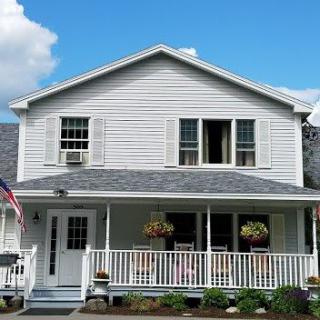
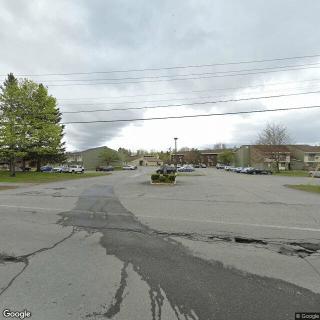
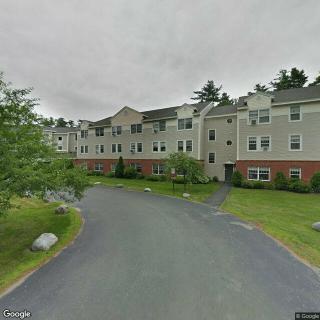
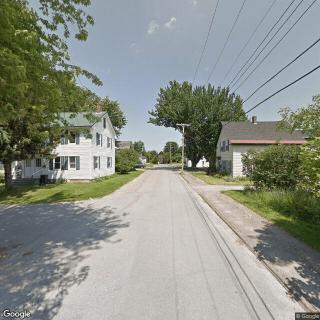
57 Glenwood Drive, Bangor, ME 04401
For more information about senior living options: (866) 208-4318
Overall Review of Ohi - 57 Glenwood
Pros
 It is a much-needed organization helping many people.
- OHI is a great organization that helps people in need every day.
- The staff are the most caring and compassionate individuals, going above and beyond for all their clients.
- Loved ones are truly loved by OHI.
- OHI is awesome.
Cons
 They were not impressed with the care provided to their family member, noting a four-day delay in medical care and being made to do things she did not want to do, with things looking grim.
- They experienced a call where someone answered and then hung up on them.
Review
OHI - 57 Glenwood in Bangor is best suited for families seeking a stable, community-oriented supportive housing option where residents are treated as part of a caring network and long-term stability is possible. The best-fit residents are those who value a mission-driven environment that emphasizes daily assistance, social connection, and a sense of belonging over highly clinical oversight. For families with a loved one who benefits from regular structure, predictable routines, and staff who demonstrate dedication to meeting everyday needs, this community can feel like a solid, comforting home base.
However, alternatives should be on the radar for anyone prioritizing medical acuity and consistently seamless clinical oversight. Those who require frequent nursing intervention, fast response to medical concerns, or clear, proactive management of healthcare needs may find OHI less compatible with expectations placed on traditional assisted living or skilled nursing facilities. If a resident has complex medical conditions, frequent transportation to appointments, or a need for highly predictable medical decision-making, it is prudent to explore options with stronger licensed clinical support and documented care protocols.
The strongest positives center on mission and staffing culture. Reviews portray OHI as a genuine organization that helps people in need every day, with a sense of purpose that staff members cultivate in practical, everyday ways. Observations of staff going above and beyond in real-world interactions, whether observed during a flight conversation or in daily routines, paint a picture of a team that cares deeply about residents and their families. For families seeking a warm, community-centered atmosphere where buildings are vessels for support rather than just housing, these intangible strengths matter and can translate into meaningful day-to-day experiences for residents who respond well to stable, person-centered attention.
Nevertheless, serious concerns rise from the care-relation side. A family member’s report of four days without appropriate medical care and being asked to do things the resident did not want to do highlights a potential gap in clinical judgment and resident autonomy that cannot be dismissed. Such incidents, if accurate, weigh heavily against the otherwise commendable caregiving tone and raise red flags about how medical decisions are made and how quickly concerns are escalated. An additional knock on administration, occasional communication friction, like a representative hanging up a call, intensifies the sense that governance and responsiveness may not be consistently reliable. When risk management and clear communication are central to a loved one’s safety, these issues cannot be treated as minor.
To balance these dimensions, the pros described, genuine care culture, long-term stability, and a community vibe, still carry significant weight for many families. If the priority is to surround a loved one with compassionate people, stable daily rhythms, and a setting that feels like a supportive neighborhood rather than a clinical institution, OHI delivers that ethos with credibility. The absence of crisp, uniformly reliable clinical oversight, however, means that families must enter with their eyes open: verify the care plan, insist on transparent medical decision-making, and assess how rapidly staff will respond to concerns in real time. The organization’s strengths can offset some day-to-day frustrations, but only if medical governance and communication are clarified and strengthened.
In the end, this community serves as a practical choice for families who value mission-driven care, staff accessibility, and a steady, home-like environment for someone who benefits from consistent social and daily support. For households where medical oversight and rapid, unambiguous communication about care are non-negotiable, it is essential to probe deeper and compare against facilities with established nursing supervision and formal care protocols. A decisive step is to arrange extensive visits, speak with frontline staff and supervisors about care plans, review incident follow-ups, and request a clear escalation process for medical concerns. With due diligence, OHI can be a meaningful placement; with unresolved questions about clinical responsiveness, the search should continue toward options that guarantee both heartfelt care and rigorous medical oversight.
 4 resident community capacity
 Assisted Living
 Cable or satellite TV
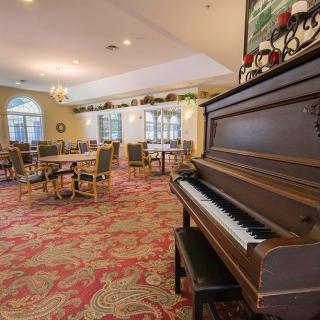
 Dining room
 Fully furnished
 Garden
 Housekeeping services
 Move-in coordination
 Outdoor space
 Telephone
 Wi-Fi/high-speed internet available
 Bangor International (2 miles away)
 24-hour supervision
 Activities of daily living assistance
 Assistance with bathing
 Assistance with dressing
 Assistance with transfers
 Diabetes diet
 Meal preparation and service
 Medication management
 Special dietary restrictions
 Transportation arrangement (medical)
 Transportation to doctors appointments


 Medicare Coverage for Assisted Living: An In-Depth Exploration
 Choosing the Right Senior Care: A Detailed Exploration of Assisted Living and Nursing Homes
 Understanding the True Cost of Assisted Living in 2025: A Comprehensive Guide