
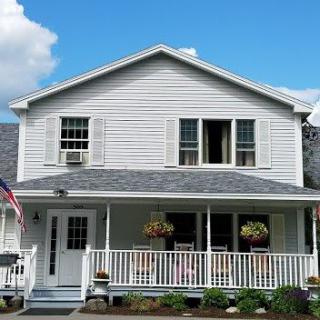
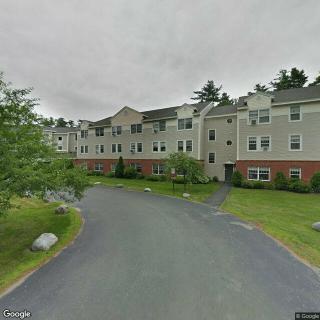
231 Randolph Drive, Bangor, ME 04401
For more information about senior living options: (866) 208-4318
Overall Review of Ohi - 231 Randolph
Pros
 The organization is a much-needed resource helping many people.
- OHI is a great organization that helps people in need every day.
- The staff are the most caring and compassionate individuals, going above and beyond for all their clients.
- Loved ones are truly loved by OHI.
- OHI is awesome.
Cons
 They were not impressed with the care provided to their family member, including a four-day delay in medical care and being made to do things she did not want to do, with things looking grim.
- They reported that someone answered and hung up on them.
Review
This community is best suited for families seeking a warm, community-focused supportive housing option where staff demonstrate genuine care and residents experience a sense of being valued. OHI at 231 Randolph in Bangor operates with an emphasis on daily assistance and social connection, and its longevity as an organization offers a sense of stability for those who prize continuity. The reviews repeatedly point to a workforce that can feel deeply devoted to residents, with anecdotes about compassionate interactions and the impression that loved ones are truly cared for. For seniors or adults who thrive in a smaller, mission-driven setting rather than a clinical facility, this option can feel like a lifeline.
That said, a careful assessment is essential for any family weighing this choice. Those whose priority is consistent, high-level medical oversight should consider alternatives. The most troubling signals in the feedback concern slow or disputed medical attention and instances where care was not promptly delivered. If rapid medical response, strict protocols, and transparent, timely family communication are non-negotiable, it may be prudent to explore other licensed assisted living facilities or skilled nursing settings that provide more formal nursing supervision and guaranteed oversight.
The strongest positives center on staff compassion and a clear culture of respect for residents. Several accounts describe staff going above and beyond, with observers noting that loved ones are treated with real warmth. The sense that the organization serves a meaningful, mission-driven purpose comes through, and a resident who has lived in supportive housing for many years can bring stability, predictable routines, and well-established relationships. For families prioritizing dignity, daily engagement, and a nurturing environment, these pros can meaningfully offset some worry about care quality, provided medical needs remain within the capacity of the on-site team.
Yet the flagged drawbacks must not be minimized. The most serious concerns involve alleged delays or refusals of medical care for multiple days and experiences where families felt the resident’s needs were not promptly addressed. Communication problems also appear, including reports of unanswered calls or abrupt disconnections. Taken together, these issues undermine trust and create real risk for residents with health fluctuations or acute episodes. With a mid-to-low overall rating in the available feedback, outcomes seem to hinge on individual staff performance and internal processes rather than a consistently steady standard.
For families evaluating options, approach with a targeted checklist. Request a candid briefing on medical decision-making authority, emergency procedures, and how care plans are developed, reviewed, and shared with families. Tour the facility with a focus on staffing coverage, especially evenings and weekends, and ask to see the grievance and follow-up protocols in action. Speak with current residents or families about day-to-day realities: responsiveness, reliability, and the quality of social programming. If the aim is warmth, community, and personal connection, OHI delivers with convincing sincerity; if clinical precision and unambiguous, timely medical attention are non-negotiable, prepare to look at alternatives as the primary option.
In the final analysis, OHI represents a practical option for households seeking a welcoming, purpose-driven environment where staff are perceived as genuinely caring. The chief trade-off is clear: strong interpersonal warmth and a stable, social atmosphere alongside uneven medical responsiveness and irregular communication. The decision should align the resident’s health needs with the facility’s demonstrated capacity to manage those needs consistently. For families who value human connection and a supportive ethos, OHI can be a solid fit; for those requiring unwavering medical oversight and flawless responsiveness, it is wise to prioritize options with more robust clinical governance and communication practices.
 2 resident community capacity
 Assisted Living
 Cable or satellite TV
 Dining room
 Fully furnished
 Garden
 Housekeeping services
 Move-in coordination
 Outdoor space
 Telephone
 Wi-Fi/high-speed internet available
 Bangor International (1 miles away)
 24-hour supervision
 Activities of daily living assistance
 Assistance with bathing
 Assistance with dressing
 Assistance with transfers
 Diabetes diet
 Meal preparation and service
 Medication management
 Special dietary restrictions
 Transportation arrangement (medical)
 Transportation to doctors appointments

 Exploring the Contrasts Between Assisted Living and Skilled Nursing
 8 Key Indicators That Suggest It May Be Time to Transition from Assisted Living to Skilled Nursing Care
 Vibrant Senior Living: A Comprehensive Guide for Active Older Adults