
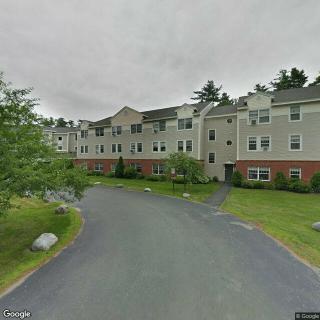
220 Bolling Drive, Bangor, ME 04401
For more information about senior living options: (866) 208-4318
Overall Review of Ohi - 220 Bolling Drive
Pros
 OHI is a much-needed organization that helps many people.
- OHI is a great organization that helps people in need every day.
- The staff at OHI are the most caring and compassionate individuals, going above and beyond for all clients.
- Loved ones are truly loved by OHI.
- OHI is awesome as a landlord.
Cons
 The reviewer was not impressed with the care provided to their family member, citing four days of refused medical care and forcing her to do things she did not want to do.
- A caller stated that someone answered their call and then hung up on them.
Review
Ohi at 220 Bolling Drive in Bangor is best suited for families seeking a warm, community-centered housing option where daily interactions feel personal and residents are treated with familiarity. This environment prizes a home-like vibe over clinical rigidity, with staff who appear approachable and invested in forming day-to-day connections. One reviewer who had lived in supportive housing for eight years described the setting as offering continuity and stability, suggesting the place can feel emotionally reassuring for long-term residents. In sum, the strongest appeal rests on humane, everyday support and a sense that someone genuinely cares about each resident’s comfort.
That warmth comes with clear caveats. For families with residents who require steady medical oversight, rapid response to health changes, or specialized dementia or memory-care attention, alternatives deserve serious consideration. The most compelling reason to look elsewhere is a mixed record on clinical care, reports of a family member being refused medical care for several days and inconsistent responsiveness point to gaps in medical supervision and governance. In short, OHI may not deliver the level of clinical reliability sought by those with complex health needs or by families expecting timely, physician-ordered interventions. For these scenarios, larger, licensed assisted-living facilities with on-site nursing support or dedicated memory-care units are often more appropriate.
On the positive side, the most consistent thread across reviews is a perception of genuine care from staff, descriptions of compassion, going above and beyond, and a sense that loved ones are truly valued. That emotional support can markedly improve daily quality of life, ease anxiety, and build trust between residents and caregivers. Yet these strengths have a ceiling. When medical decisions or timely care are required, the absence of reliable, proactive clinical oversight can undermine the emotional benefits, leaving families worried and residents vulnerable. The tension between heartfelt kindness and clinical delay is the central dynamic families must weigh when evaluating this option.
The 3.3 average rating from 10 reviews reflects a pronounced split in experiences. A cluster of five-star impressions sits beside several one-star accounts, signaling inconsistent performance that likely hinges on shift coverage, management, and the individual caregiving team in place at any given time. That variance matters: a facility can feel like a caring home on some days and feel unsafe or unresponsive on others. The practical takeaway is to probe during visits: which days are strongest, who will be the primary care team, and how concerns are escalated and resolved. The broad spread in ratings means assurances regarding continuity, communication, and accountability should be non-negotiable before moving in.
To make an informed decision, families should conduct a targeted, in-person assessment. Request to meet the care team assigned to the prospective resident, review a sample care plan, and gain clarity on on-site medical oversight, medication management, and response times to health changes. Inquire about staffing ratios, recent grievances, and how staff turnover is managed, since consistency matters for ongoing safety and trust. Seek realistic representations of daily routines and confirm opportunities for meaningful activities. Finally, verify transparency around fees, policies, and the facility’s process for safeguarding resident rights, including a clear escalation pathway when concerns arise.
Ultimately, warmth and a sense of belonging make OHI a meaningful option for those who can rely on strong, reliable medical oversight. For families prioritizing clinical reliability, strict adherence to physician orders, and uninterrupted access to on-site nursing, exploring alternatives with more robust nursing supervision and formal care plans is prudent. The decision hinges on balancing emotional comfort against medical risk: OHI offers a humane, family-forward environment, but only if care governance and timely medical responsiveness align with the resident’s health needs. A careful, in-person due diligence plan will reveal whether this community can translate its promise into a dependable, lasting home.
 2 resident community capacity
 Assisted Living
 Cable or satellite TV
 Dining room
 Fully furnished
 Garden
 Housekeeping services
 Move-in coordination
 Outdoor space
 Telephone
 Wi-Fi/high-speed internet available
 Bangor International (1 miles away)
 24-hour supervision
 Activities of daily living assistance
 Assistance with bathing
 Assistance with dressing
 Assistance with transfers
 Diabetes diet
 Meal preparation and service
 Medication management
 Special dietary restrictions
 Transportation arrangement (medical)
 Transportation to doctors appointments



 Comprehensive Insights into Activities of Daily Living (ADLs) and Their Assessment
 Medicare Coverage for Assisted Living: An In-Depth Exploration
 Choosing the Right Senior Care: A Detailed Exploration of Assisted Living and Nursing Homes