
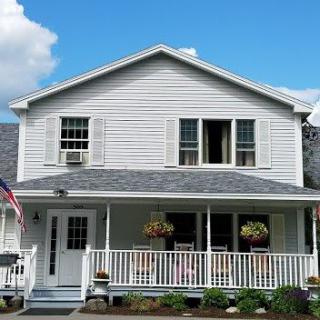
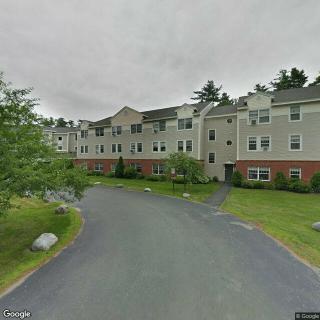
224 Bolling Drive, Bangor, ME 04401
For more information about senior living options: (866) 208-4318
Overall Review of Ohi - 224 Bolling Drive
Pros
 A much needed organization helping so many people.
- OHI is a great organization that helps people in need every day.
- The staff are the most caring and compassionate individuals.
- OHI is awesome.
- Your loved ones are truly loved.
Cons
 They were not impressed with the care provided to their family member, noting a four-day delay in medical care and being made to do things she did not want to do, with things looking grim.
- A caller reported that someone answered the phone and hung up on them.
Review
This Bangor-based community is best suited for older adults who need supportive housing with a strong emphasis on daily structure, social connection, and staff accessibility, rather than a facility focused primarily on high-level medical oversight. The core appeal rests on a warm, people-centered environment where caregivers and housing staff are visible, engaged, and genuinely invested in residents’ well-being. Families that prize companionship, consistent daily routines, and a sense of belonging will find value here. Those seeking brisk, always-on medical management, 24/7 nursing coverage, or rapid, medical-issue escalation should consider other options with more robust on-site clinical teams. In short, the strength lies in the human touch, while medical responsiveness may not meet higher-acuity standards.
Across multiple observations, the strongest upside centers on the care staff’s compassion. Reviewers consistently describe workers as devoted, patient, and willing to go above and beyond for clients, with an impression that loved ones are truly cared for. The housing component also emerges as a positive: residents can experience stability and landlord responsiveness that contribute to a sense of safety and routine. When conversations turn to daily life, the environment is frequently framed as supportive and reassuring, a meaningful factor for families trying to relieve caregiving burdens. These strengths lay a solid foundation of trust for those who thrive on close, attentive help.
However, significant concerns appear in other accounts, focusing on care quality and communication gaps. One reviewer reports dissatisfaction with care provided to a family member, alleging a period of medical neglect and actions that compromised autonomy. Another recurring theme is inadequate responsiveness, including instances of unanswered calls or curt handling. Taken together, these experiences reveal a real risk: the same place that can feel like a warm home may also exhibit inconsistencies in essential medical decision-making and timely communication. For families with complex medical needs or strict expectations for medical oversight, these gaps can be decisive.
These divergent experiences point to variability in performance rather than a uniform standard. The community’s identity as supportive housing means outcomes hinge on which staff member is present, how care plans are managed, and how medical decisions are coordinated with outside providers. The notion of long-term stability, evidenced by residents who have stayed for years, speaks to capacity for continuity, yet longevity does not guarantee flawless care. In practice, the strongest case for the community rests on emotional and social support, while the most consequential caveat remains the potential for care shortcomings to undermine health outcomes if medical needs are not met promptly and respectfully.
When evaluating, families should probe into medical governance: who makes medical decisions, how emergencies are handled, what the escalation process looks like, and what accountability exists for care lapses. It is essential to speak with current residents about their experiences, review any incident logs or family communication patterns, and request concrete timelines for responses. Given the mix of praise and caution, this community can be a superb fit for those prioritizing warmth and daily structure, but it requires careful alignment with expectations around medical oversight and responsiveness. If medical exigencies dominate the decision, alternatives with stronger on-site clinical teams deserve serious consideration.
In sum, the community offers a compelling blend of compassionate staffing, stable housing, and a sense of belonging that can significantly reduce the burden on families managing care. The practical decision hinges on balancing the value of human connection against the risk of inconsistent medical oversight. For households prioritizing dignity, companionship, and steady routines, OHI stands out as a thoughtful, welcoming option. For those whose primary need is reliable medical administration and rapid clinical responsiveness, exploring alternatives with robust nursing and clearer medical governance is prudent. A measured visit, candid conversations with staff, and direct feedback from residents will reveal whether this environment matches the family’s risk tolerance and care goals.
 2 resident community capacity
 Assisted Living
 Cable or satellite TV
 Dining room
 Fully furnished
 Garden
 Housekeeping services
 Move-in coordination
 Outdoor space
 Telephone
 Wi-Fi/high-speed internet available
 Bangor International (2 miles away)
 24-hour supervision
 Activities of daily living assistance
 Assistance with bathing
 Assistance with dressing
 Assistance with transfers
 Diabetes diet
 Meal preparation and service
 Medication management
 Special dietary restrictions
 Transportation arrangement (medical)
 Transportation to doctors appointments


 Social Security Benefits and Assisted Living: Navigating Options Across the U.S.
 An Extensive Exploration of the VA Aid and Attendance Benefit
 Senior Transition Services: Understanding Their Role, Cost, and Importance