
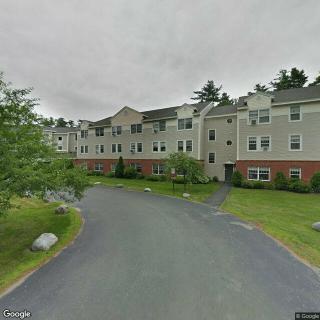
1513 Ohio Street, Bangor, ME 04401
For more information about senior living options: (866) 208-4318
Overall Review of Commonsense Housing - 1513 Ohio Street
Pros
 They are a caring group of people.
- They have nice facilities and good staff.
- They are professional and intelligent.
- People would trust them with their family.
- Common Sense Housing is a great place for loved ones to live and be cared for.
- The members are wonderful.
- The place is very pretty.
Cons
 The two head administration intimidate, threaten, and bully the staff.
- The main admins lack effective management and fail to show appreciation to workers.
- Some staff members are unmotivated and won't wipe up spilled drinks and food, creating a hazard and being disgusting.
- The day shift often neglects cleaning up after the members and themselves, unlike the overnight staff who do clean up.
- Care and communication were a struggle for the family, resulting in a poor experience.
Review
Commonsense Housing in Bangor is best suited for seniors who want a warm, home-like setting with attentive, compassionate caregivers and a pleasant, inviting atmosphere. It appeals to families that value direct interactions with front-line staff, steady personal attention, and a facility that feels comfortable and well cared-for. The community seems most appropriate for residents who can rely on warmth and consistency from the caregiving team and who appreciate tidy common areas and an aesthetically pleasing environment. Those whose top priority is flawless, uniformly managed day-to-day operations with ironclad leadership across all shifts may want to consider alternatives. The realities captured in the reviews, strong bedside care paired with occasional administrative friction, signal a fit that hinges on leadership stability as much as on caregiver heart.
Strengths show up in the care culture and the setting. Reviewers repeatedly call the staff caring, professional, and intelligent, with many expressing trust in how loved ones are treated. The facilities themselves emerge as bright and welcoming, reinforcing a sense of safety and dignity for residents. Overnight staff are singled out for effective cleaning and upkeep, contributing to a feeling of reliability during off-peak hours. In practice, these positives create a solid foundation for daily life when the administrative layer supports the team through clear guidance and dependable communication. Yet the tenor of leadership looms as a potential disruptor, threatening to undercut the best aspects of the care environment.
On the downside, administration and day-to-day operations raise valid concerns. Some accounts describe staff feeling intimidated or undermined by the main administrative leadership, with criticism aimed at the two top administrators’ management approach. This dynamic can sap morale, disrupt consistent care, and complicate problem resolution. Additional housekeeping gaps on daytime shifts, spills left unattended, surfaces not promptly cleaned, pose safety risks and undermine the sense of polish the setting otherwise conveys. These issues don’t erase the warmth of individual caregivers, but they do color the resident experience and complicate the trek toward consistently high-quality care.
From a decision-making standpoint, the central question is whether the leadership climate can stabilize without sacrificing the warmth and reliability residents already benefit from. Families should probe concrete details: staffing ratios and coverage across shifts, the cadence for updating care plans, and the transparency of communications about changes in routine or care needs. A thorough tour at different times, conversations with frontline staff, and a review of recent incident and maintenance logs are essential. If the administration demonstrates sustained engagement, recognizes staff, provides ongoing training, and enforces cleanliness standards uniformly, the facility’s strengths can convincingly offset the drawbacks. If that stability remains uncertain, risk compounds for care gaps and miscommunications.
For those who want more consistently enforceable operations and clearer leadership, alternatives exist. Options with stronger, more visible governance structures or with smaller, more tightly managed teams can deliver steadier day-to-day experience. Larger, corporate communities may offer standardized procedures and clearer escalation paths, though they may feel less intimate. The key is matching the environment’s warmth and attentiveness with a level of leadership reliability and housekeeping discipline that aligns with the resident’s needs and family expectations. In essence, the right choice balances the undeniable, humane care on the ground with a governance framework that guarantees it stays that way.
Bottom line: Commonsense Housing can be a compelling fit for seniors who prize a warm, personable caregiving culture and a pleasant living space, provided the family is comfortable monitoring leadership stability and ongoing housekeeping quality. For residents or families seeking ironclad consistency, proactive management, and uniform cleanliness across every shift, exploring stronger-structured alternatives is prudent. Prospective families should arrange candid tours, request meetings with multiple caregivers across shifts, and obtain recent care plans and incident records to verify whether the environment, warmth, and aesthetics align with the level of reliability and oversight required. The decision hinges on weighing cherished interpersonal care against the practical certainty of steady, well-led operations.
 3 resident community capacity
 Assisted Living
 Cable or satellite TV
 Dining room
 Fully furnished
 Garden
 Housekeeping services
 Move-in coordination
 Outdoor space
 Telephone
 Wi-Fi/high-speed internet available
 Bangor International (2 miles away)
 24-hour supervision
 Activities of daily living assistance
 Assistance with bathing
 Assistance with dressing
 Assistance with transfers
 Diabetes diet
 Meal preparation and service
 Medication management
 Special dietary restrictions
 Transportation arrangement (medical)
 Transportation to doctors appointments



 Comprehensive Residential Support and Assisted Living Solutions for Individuals with Disabilities
 Comprehensive Supportive Living Arrangements for Adults with Disabilities
 Funding and Affording Assisted Living: A Thorough Overview