
824 Honeysuckle Street, Gretna, LA 70056
For more information about senior living options: (866) 208-4318
Overall Review of Honeysuckle House
Pros
 The father is doing well and seems happy with the care he receives.
- He looks forward to daily meals, which offer a wide variety.
- There are activities he sometimes enjoys participating in.
- The community is described as a good place for his loved one.
- The mother is thriving in a home-like setting with 24/7 care.
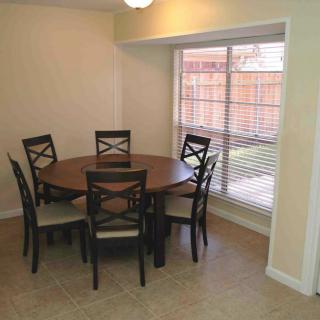
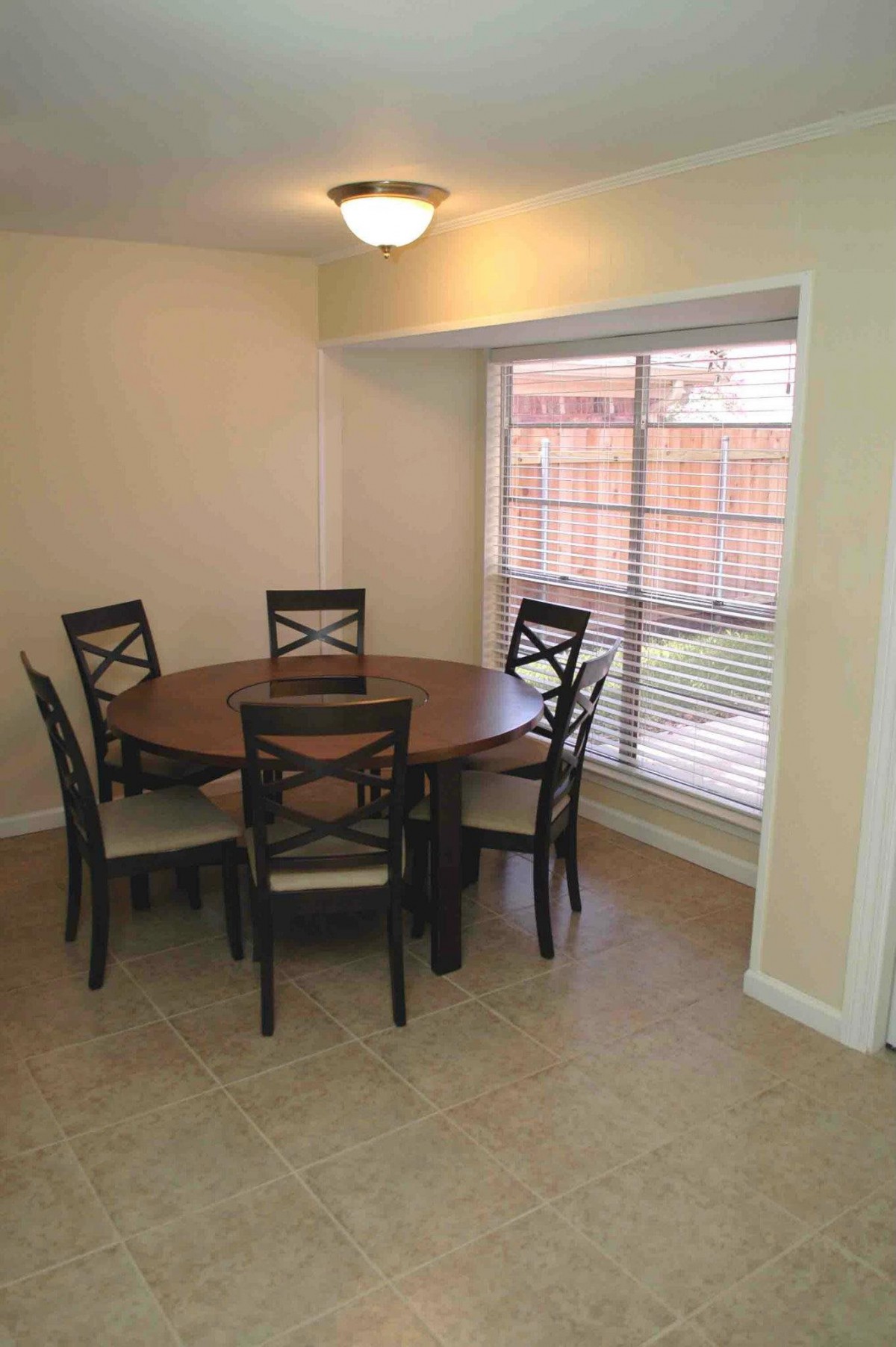
- The staff are caring and lovely, and the residence is spotless with no smells and real food served in a dining room.
- Peristyle Residence offers four homes in pleasant suburban communities with private bedrooms and 24-hour care, not an institutional setting.
- Kate is described as a lovely counselor who guided them to a suitable option.
- Sean put the family’s mind at ease and helped with the placement.
- The arrangement is described as a beautiful placement that provides peace of mind.
Cons
 The reviewer faced ongoing issues with the staff and hoped for a resolution.
- The caregiver experienced significant sleep deprivation that took a toll on their health.
- The mother declined rapidly from week to week, signaling worsening care needs.
- The lengthy medication administration routine was exhausting and time-consuming.
- The caregiver felt unable to care for their mother while maintaining a life of their own.
- Nursing home costs in the New York area were prohibitively expensive.
- Placing the mother in a nursing home felt like breaking a promise.
Review
Honeysuckle House in Gretna, LA is best suited for families seeking a warm, community-oriented setting where daily meals are reliably varied and residents can participate in a calendar of activities. The arrangement appears to support a resident who can engage with staff and peers, enjoys regular meal service, and values a home-like social rhythm. It is not pitched as a destination for heavy medical or dementia care, and the emphasis on meals and routine suggests an environment that tolerates moderate assistance rather than 24/7 intensive supervision.
Those weighing alternatives should note that the strongest caveat from the reviews is a staffing concern that invites closer scrutiny before committing. Families with loved ones who require consistent, proactive staff responsiveness, or who anticipate escalating care needs, may want to cast a wider net. In particular, memory care and high-acuity residents tend to demand steadier oversight than what appears to be present here. The second narrative in the set underscores how dramatically needs and pricing realities can influence placement decisions, especially when dementia progresses or when caregiving costs become prohibitive elsewhere.
On the upside, Honeysuckle House delivers meaningful day-to-day value. The reviewer notes a wide variety of meals that significantly uplift the daily experience, and their loved one looks forward to those meals as a core part of the routine. In addition, there are activities available that, while participation can vary, offer opportunities for social engagement and purposeful moments during the week. When a program is built around familiar routines and accessible pleasures, these aspects can offset a fair amount of anxiety tied to relocation and aging in place, creating a sense of belonging that families often prize.
The principal drawback centers on staffing reliability. The complaint is not about the existence of staff, but about issues that are not fully resolved, which can translate into delays, mismatched expectations, or gaps in timely assistance. For families with residents who require prompt help with medications, mobility support, or safety-focused supervision, these red flags carry real weight. The pros, comfort, meals, and community, do not fully compensate for a perception that staffing accountability could be stronger, particularly during evenings or weekends when needs may spike.
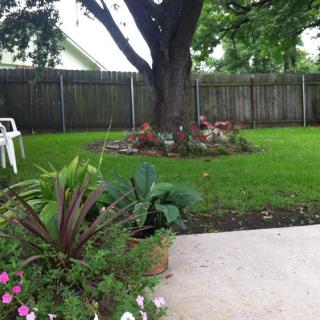
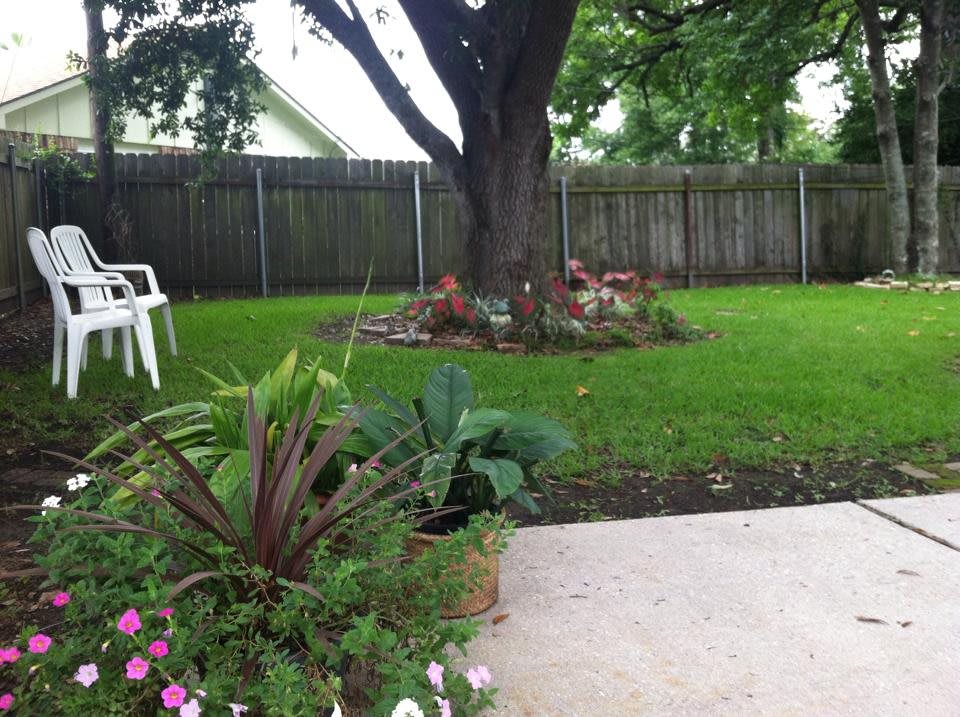
The contrast offered by the second review is instructive. It describes a different care model, one that centers on a small, home-like environment with 24/7 care, private bedrooms, and a setting described as non-institutional, clean, and attractive. The testimonial emphasizes a strong sense of care from staff and a real emphasis on quality dining and outdoor space. The cost angle is stark: in New York, nursing homes can be prohibitively expensive, while in a Louisiana context the alternative placement is framed as a more affordable, similarly attentive option. For families facing dementia progression or heavy caregiving burdens, this narrative makes a compelling case for exploring small-residence, home-style options that promise continuous care without the functional rigidity of a traditional nursing facility.
In sum, Honeysuckle House offers a solid option for residents who can thrive on good meals, social activities, and a friendly community, with the caveat of needing more robust staffing responsiveness. It is not the right fit for those whose loved ones require constant, highly vigilant care or specialized dementia programming. For families confronting higher acuity needs, or those who fear staffing gaps will undermine safety and daily functioning, pursuing alternatives such as small, home-like residential residences, like the Peristyle model described, merits serious consideration. The key move is to align the choice with the care trajectory: stabilize expectations around staff reliability at Honeysuckle, and actively compare cost, setting, and 24/7 capability with nearby, home-like options before making a final commitment.
 6 resident community capacity
 Assisted Living
 Board and Care Home
 Memory Care
 Activities off-site
 Air-conditioning
 Beautician on-site
 Cable or satellite TV
 Devotional services on-site
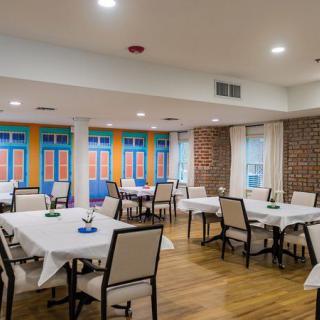
 Dining room
 Fully furnished
 Garden
 Ground floor units
 Handicap accessible
 Housekeeping services
 Indoor common areas
 Move-in coordination
 Outdoor common areas
 Respite or short term stays offered
 Telephone
 Wheelchair accessible showers
 Wi-Fi/high-speed internet available
 New Orleans International (15 miles away)
 24-hour supervision
 Ambulatory care
 Assistance with bathing
 Assistance with dressing
 Assistance with transfers
 Diabetes diet
 Diabetic care
 High acuity care
 Incontinence care
 Meal preparation and service
 Medication management
 Special dietary restrictions
 Transportation arrangement (medical)
 Transportation to doctors appointments
 Art classes
 Educational speakers / life long learning
 Forever fit
 Karaoke
 Live dance or theater performances
 Live musical performances
 Live well programs
 Visiting chaplain or priest
 Wine tasting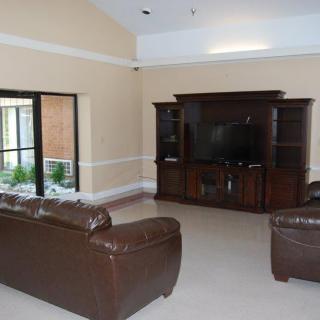




 Understanding Dementia Behaviors: Practical Insights and Strategies for Caregivers
 When Dementia Sparks Anger and Aggression: Understanding the Connection and Ways to Cope
 Dementia Behaviors: In-Depth Understanding and Effective Coping Strategies