

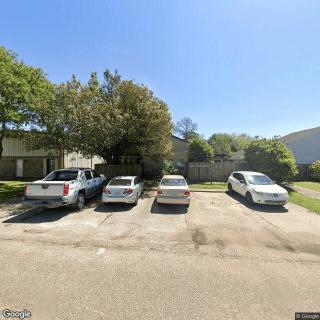
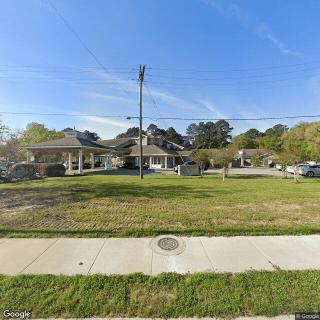
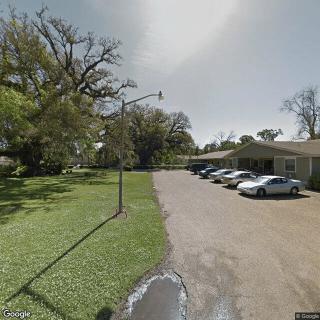
418 Albertsons Parkway, Broussard, LA 70518
For more information about senior living options: (866) 208-4318
Overall Review of Camelot of Broussard
Pros
 The facility seemed nice when they arrived.
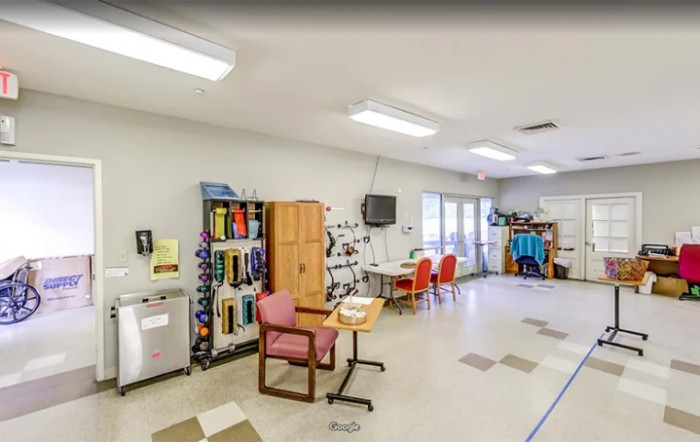
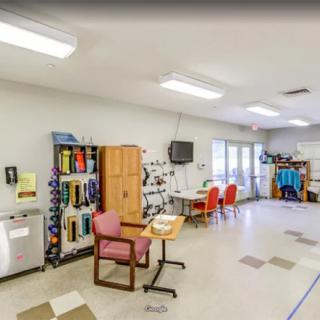
- The mother loved the therapy unit and the staff.
- The PT became almost like family to her.
- The facility has very caring staff who go out of their way to keep residents comfortable and address issues.
- The staff are very involved and very nice.
- The food was awesome.
- The activities include bingo, Mass, doctor appointments, trips to Walgreens and Walmart, chair exercises, and movie weeks with popcorn.
Cons
 The nurses needed attitude adjustments after the first 20 days and were not very nice to the mother.
- Staff began giving medications without explaining what they were for or why the color changed.
- It seemed staff cared less once the patient became more verbal and spoke up.
- They would come to the room with orders to say they were doing something, and she wasn’t even the right patient.
- Concerns were voiced on numerous occasions with no solution offered.
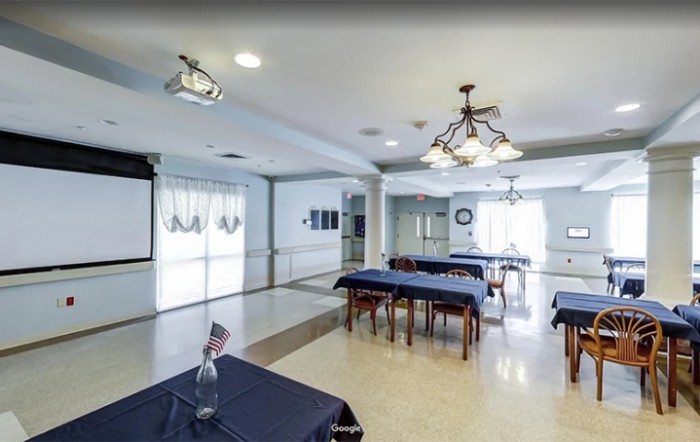
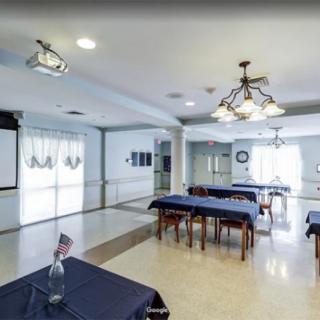
- The dining room seemed crowded, and there were no patios or garden areas.
- Baths were given only at night, though the patient preferred morning baths.
- The patient had to walk down a long hall to reach the dining hall.
- The reviewer suggested staff should adjust their behavior if they would not like this for their own parent.
Review
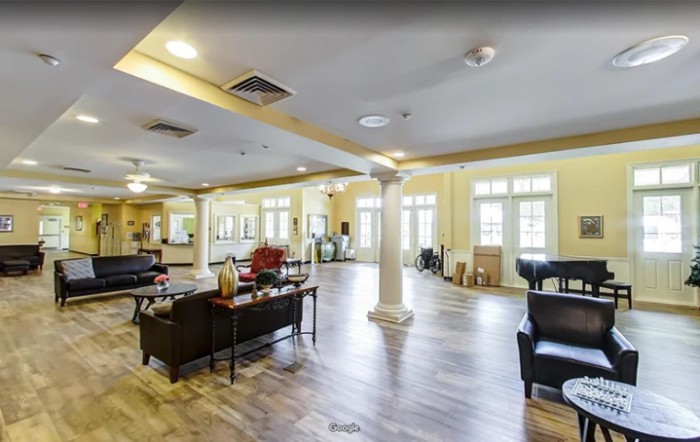
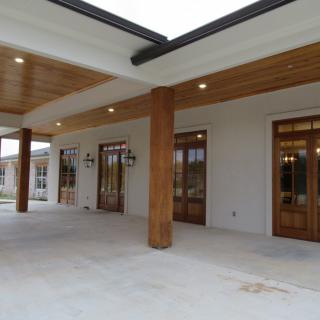
Camelot of Broussard is best suited for active seniors who want a small, intimate setting with a home-like feel, strong daily programming, and accessible therapy services. The community tends to reward residents who value social engagement, structured activities, and a close-knit staff that can feel like an extended caregiving team. Families note that the facility often works well for individuals with Alzheimer’s or cognitive challenges, where attentive staff and a supportive atmosphere can make a meaningful difference. There’s also a practical path for future care, since residents can transition into the nursing home side when needs evolve.
Those who may want to consider alternatives are clear: if flawless, transparent medication management and consistently respectful, responsive communication are non-negotiables, this isn’t the ultimate fit. Some reviewers describe moments when meds were administered without clear explanation, with mix-ups about which resident was being attended to, followed by concerns voiced repeatedly without satisfactory resolution. Outdoor spaces or larger campuses with sprawling grounds may appeal more to families seeking frequent, easy access to gardens or community-wide amenities. In short, this is a strong match for caregivers who want intimacy, activity, and warmth, but not the fullest spectrum of campus-wide resources.
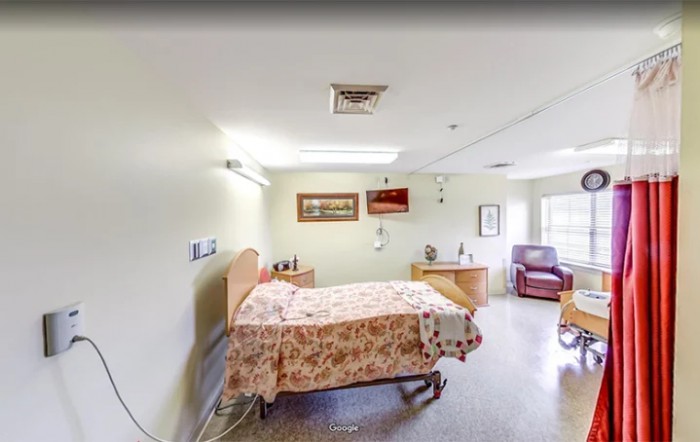
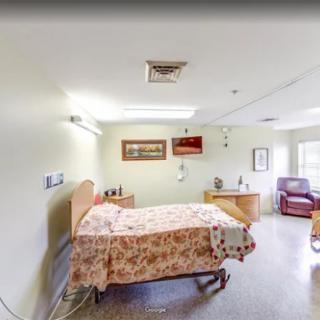
The strongest positives here are the people and the programming. Families repeatedly praise staff who are involved, caring, and willing to address issues, with several pointing to therapy as a standout, PTs who become almost like family and help motivate mobility. Residents enjoy a well-appointed one-bedroom apartment with a kitchenette, a roomy bathroom, and a generous closet, which contributes to a sense of independence within a supportive environment. Food gets high marks, and the calendar of activities, bingo, Mass attendance, doctor and errand excursions, chair exercises, and “movie week with popcorn”, creates a lively routine that many seniors respond to positively. The capacity for coordinated outings and integrated care, including transition planning to nursing care when appropriate, is another practical edge.
Yet there are clear drawbacks that temper the overall appeal. The most consequential concerns center on staffing consistency and procedural clarity. A high-contact case involved a stint where the care atmosphere shifted as some staff members reportedly displayed attitude issues, and explanations around medications and treatment regimens were not always forthcoming. There are also operational quirks, such as a bath routine that favors evenings for some residents and a lengthy corridor to the dining room that can feel cumbersome, particularly for those with mobility limitations. The dining room can feel crowded at peak times, and the building’s smaller, more intimate footprint means fewer on-site outdoor spaces, no patios or garden areas, which matters to residents who want sunshine and easy outdoor time. While some reviewers didn’t find these issues defining, they do shift the balance on overall experience for certain families.
The key trade-off is tangible: the care and community warmth, plus strong activity programs and apartment livability, can outweigh the occasional lapses in communication and the architectural limitations, provided those gaps are actively managed. For families that prize personalized attention, quick social engagement, and certified therapy that genuinely helps a loved one stay engaged, Camelot’s pros often rise above its cons. The facility’s size and the focus on meaningful interaction foster a sense of belonging that resonates with many seniors and their families, making it a compelling option when the plan centers on quality daily life and gradual, well-supported transitions to higher levels of care.
Decision guidance is practical. If prioritizing a robust social calendar, attentive therapy services, and a home-like apartment matters most, consider Camelot seriously, but go in with targeted questions. Inquire about staff-to-resident ratios on different shifts, how medication explanations are handled, and what happens when concerns are raised. If outdoor spaces, a larger campus, or a more explicit dementia-care environment are essential, compare with alternatives that offer extensive patio access, broader campus amenities, or a dedicated memory-care pathway. Above all, schedule tours with a fresh set of eyes: observe meal times, talk to several frontline staff, and ask residents and families about day-to-day consistency in care and communication.
Overall, Camelot of Broussard stands as a practical choice for those seeking an engaged, personable community where therapy and daily programs drive quality of life. It rewards families who value warmth, mobility support, and a sense of community, while warning that medication clarity, staff consistency, and accessible outdoor spaces require vigilance and proactive oversight. With careful diligence, it can be a dependable fit for a loved one who thrives on activity, companionship, and a warm, approachable environment.
 32 resident community capacity
 Assisted Living
 Skilled Nursing Facility
 Activities on-site
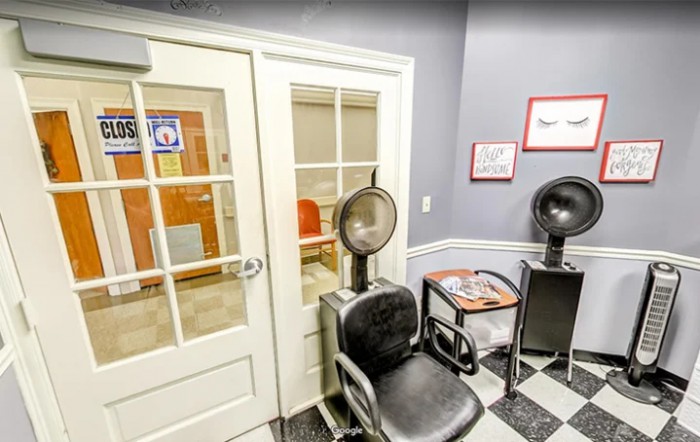
 Beauty salon
 Cable or satellite TV
 Devotional services off-site
 Dining room
 Fully furnished
 Garden
 Housekeeping services
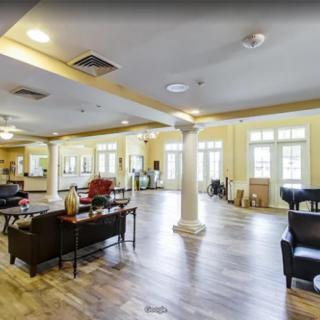
 Indoor common areas
 Move-in coordination
 Outdoor space
 Small library
 Telephone
 Lafayette Regional (5 miles away)
 24-hour call system
 Ambulatory care
 Assistance with bathing
 Assistance with dressing
 Assistance with transfers
 Diabetes diet
 Diabetic care
 Meal preparation and service
 Medication management
 Special dietary restrictions




 Understanding Medicaid Coverage for Assisted Living: A Comprehensive Guide
 How and When Medicaid May Cover Assisted Living Costs
 A Detailed Exploration of Assisted Living Medicaid Waivers Across the United States