For more information about senior living options: (866) 208-4318
4 from 37 reviews
5 stars
26
4 stars
2
3 stars
1
2 stars
0
1 stars
8
Garden View Assisted Living Costs & Pricing
Garden View Assisted Living offers a range of pricing for its accommodations that reflects the quality of care and amenities provided. For a one-bedroom unit, the monthly cost is $3,950, which is notably higher than the average in East Baton Rouge Parish at $2,831 and the state average of $3,413. The two-bedroom option is priced at $4,700, surpassing local and statewide averages of $3,242 and $3,878 respectively. Meanwhile, the studio unit stands out with a monthly fee of $5,500, significantly exceeding both parish ($3,276) and state ($3,235) averages. While Garden View's costs are elevated compared to regional benchmarks, they reflect a commitment to exceptional service and comprehensive care tailored to meet the needs of residents in a supportive environment.
Floor plans
Garden View Assisted Living
East Baton Rouge Parish
Louisiana
1 Bedroom
$3,950
$2,831
$3,413
2 Bedrooms
$4,700
$3,242
$3,878
Studio
$5,500
$3,276
$3,235
Memory care communities with a similar price nearby
Residents and families describe responsive, caring staff and frequent follow-through.
Across reviews, families highlight care that feels personal and hands-on, from front-desk help to nurses, caregivers, and management stepping in. Several residents are described as well cared for with attention to daily needs, and others say staff respond quickly when something is needed. At the same time, a smaller set of reviews raises concerns about staffing levels and professionalism, including claims about inadequate care and medication handling.
differentiator3 reviews mention this
Incontinence and medication care
Care plans around incontinence and medication management come through clearly in reviews.
Several reviews discuss health support tied to incontinence needs, including reports of bathing routines and follow-up concerns when care didn’t go as expected. Some reviews also raise medication-related issues, including complaints about how medications were handled and whether medication management was reliable. This lines up with the types of care the community indicates it provides, including incontinence care and medication management.
common5 reviews mention this
Dining is consistently praised
Food is frequently described as a strong point of daily life here.
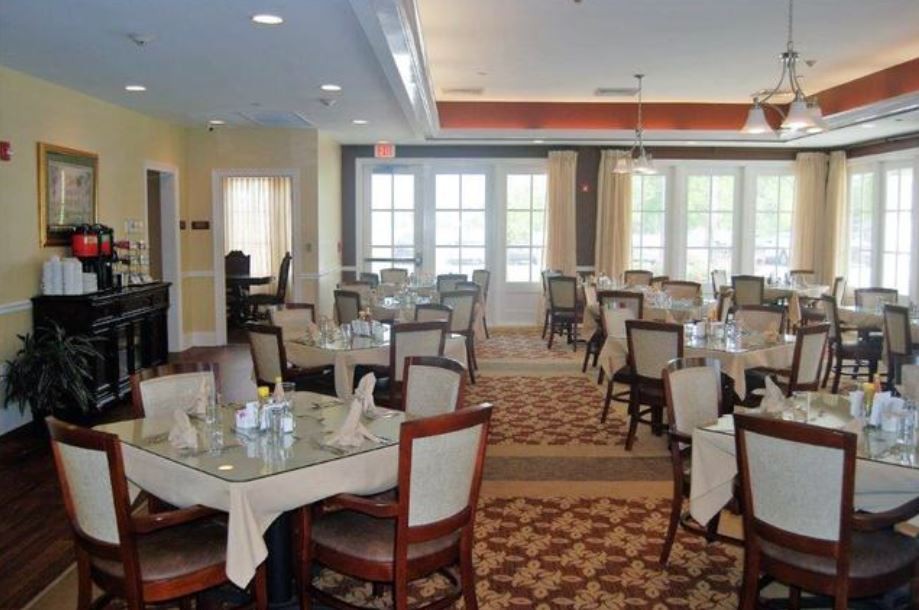
Multiple reviews mention that the food tastes good and suits residents who are particular, including one memory-care experience where the resident’s appetite improved. Families also describe the dining as restaurant-like or enjoyable, and one review points to the cafeteria serving healthy options. Reviews that rate overall care highly often include comments about meals as part of why the experience worked for their family.
common5 reviews mention this
Activities keep residents engaged
Residents are described as getting regular activities and entertainment.
Reviews commonly mention ongoing activities and entertainment, including programs tailored to residents’ care needs. Some families say the community has plenty to do, while at least one review counters that participation can be limited and activities may not be as robust as expected. The activity theme shows up both in positive day-to-day accounts and in complaints about limited engagement.
caveat7 reviews mention this
Cost feels high to some
Pricing is a recurring concern, even when other parts of the experience are positive.
Several reviews call out cost as overpriced or expensive, including comments about value for what families are paying. One review also describes paying for additional help tied to meal handling, which it viewed as not being handled as promised. A different review finds the price appropriate for apartment size, but overall, cost comes up often enough to stand out as a mixed point.
How we summarize
Counts show how many written reviews mention each theme; a review can touch several themes, and only frequently mentioned themes are displayed.
Features
Types of Care
Assisted Living
Memory Care
Amenities
Activities on-site
Air-conditioning
Beautician on-site
Cable or satellite TV
Devotional services off-site
Ground floor units
Handicap accessible
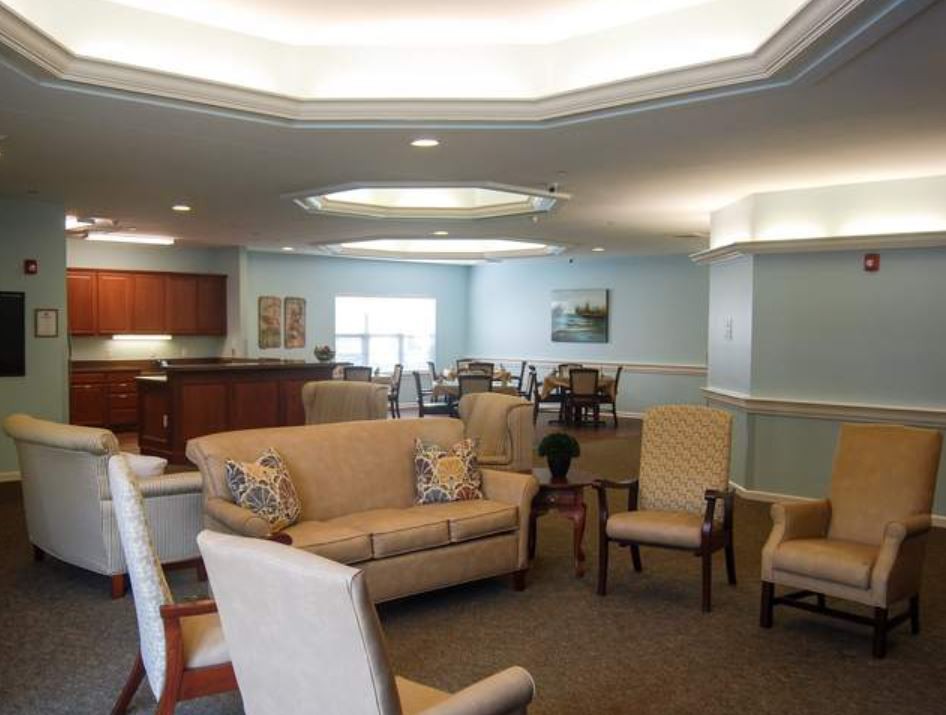
Indoor common areas
Kitchenette
Respite or short term stays offered
Wheelchair accessible showers
Wi-Fi/high-speed internet available
Transportation
Baton Rouge Metropolitan (11 miles away)
Care Services
Ambulatory care
Diabetic care
High acuity care
Incontinence care
Medication management
Dining
Low / no sodium
Meals provided
Restaurant style dining
Special dining programs
Vegetarian
Activities
Art classes
Catholic services
Educational speakers / life long learning
Forever fit
Light therapy programs
Live musical performances
Live well programs
Protestant services
Stretching classes
Trivia games
Wii bowling
Wine tasting
Yoga / chair yoga
Nearby Places of Interest
This part of Baton Rouge, Louisiana offers a convenient and diverse range of amenities for senior living. With a variety of restaurants, pharmacies, cafes, theaters, hospitals, physicians, and parks within close proximity, residents have easy access to essential services and recreational activities. The area boasts well-known establishments such as Chick-Fil-A, Walgreens, Starbucks, and AMC Baton Rouge 16 for leisure and entertainment options. Additionally, reputable healthcare facilities like Ochsner Health Center and Our Lady of the Lake Regional Medical Center provide quality medical care. The presence of places of worship like Broadmoor United Methodist Church and St George Catholic Church offers spiritual support in the community. Overall, this area combines convenience with essential services for a comfortable senior living experience.
Garden View Assisted Living offers a range of pricing for its accommodations that reflects the quality of care and amenities provided. For a one-bedroom unit, the monthly cost is $3,950, which is notably higher than the average in East Baton Rouge Parish at $2,831 and the state average of $3,413. The two-bedroom option is priced at $4,700, surpassing local and statewide averages of $3,242 and $3,878 respectively. Meanwhile, the studio unit stands out with a monthly fee of $5,500, significantly exceeding both parish ($3,276) and state ($3,235) averages. While Garden View's costs are elevated compared to regional benchmarks, they reflect a commitment to exceptional service and comprehensive care tailored to meet the needs of residents in a supportive environment.
Medication management at Garden View Assisted Living ensures that residents receive their prescribed medications on time and in the correct dosages, which is crucial for individuals with dementia or Alzheimer's disease who may struggle with memory and organization. This structured approach helps minimize confusion and the risk of missed doses, thereby enhancing overall health and well-being. Incontinence care further supports residents by providing dignified assistance tailored to their individual needs, which can alleviate anxiety and promote comfort. By addressing these essential aspects of daily living, Garden View fosters a supportive environment that allows residents to focus on maintaining their quality of life while managing the challenges associated with cognitive decline.
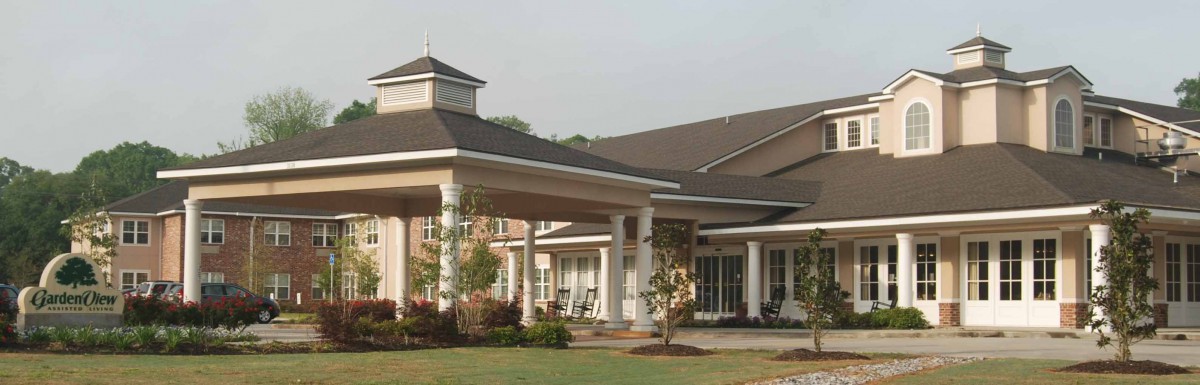
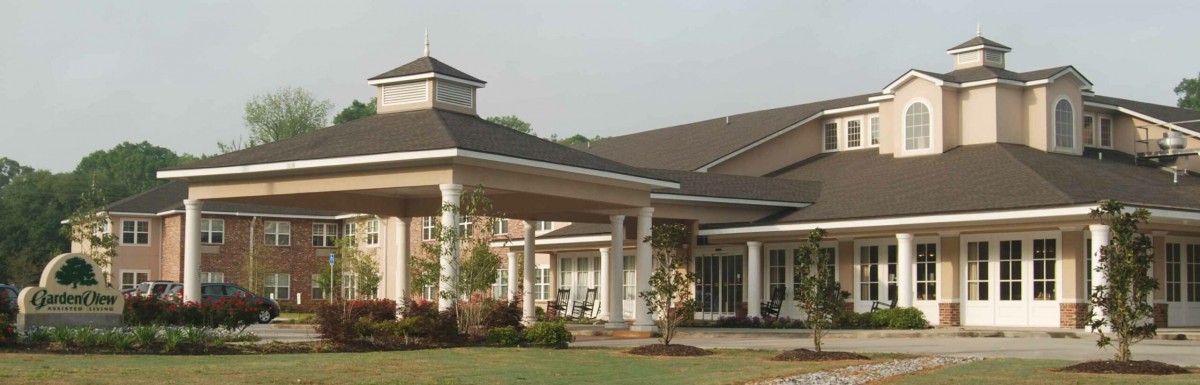
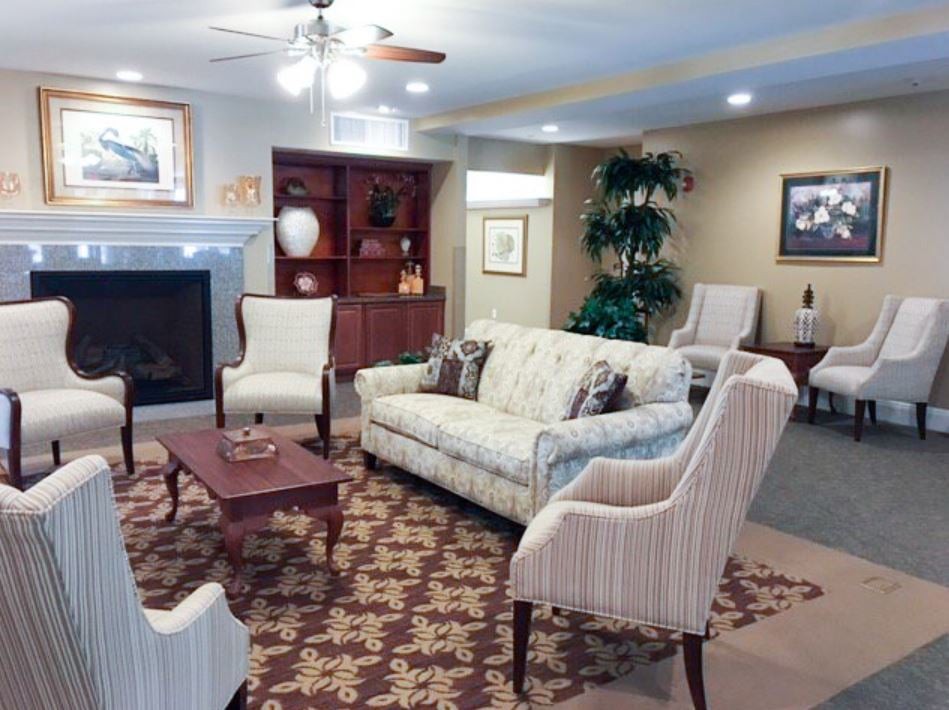
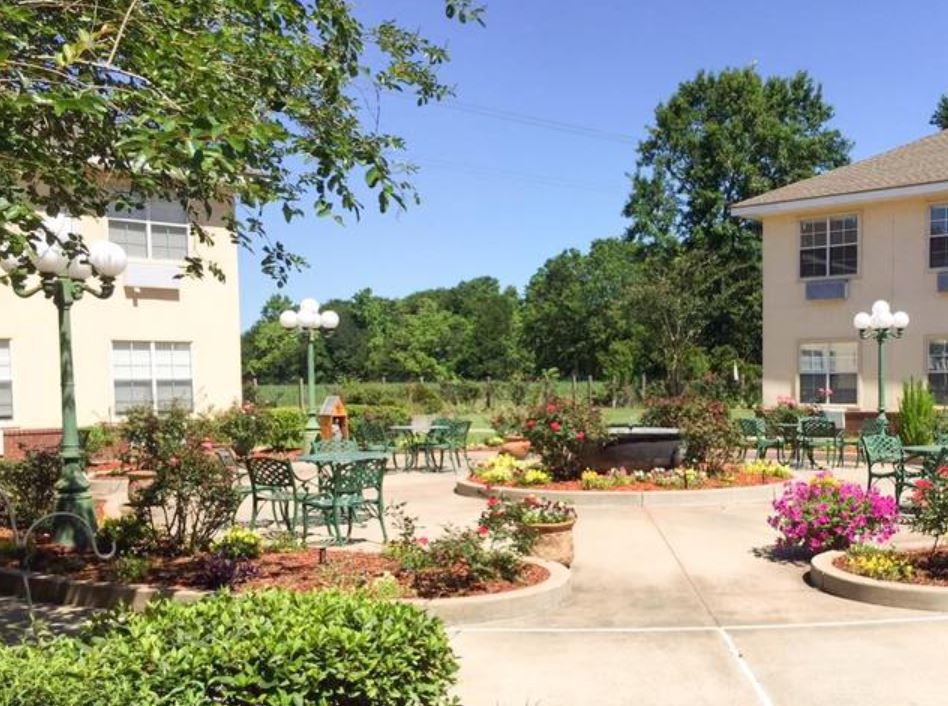
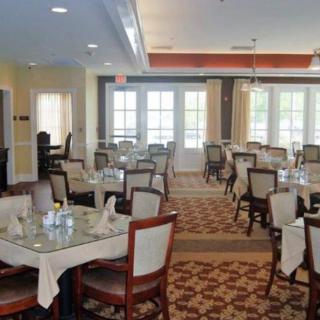
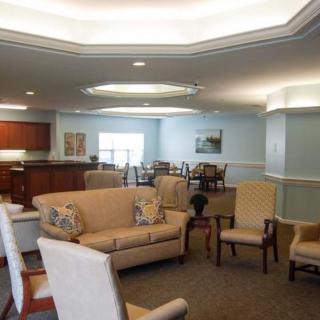
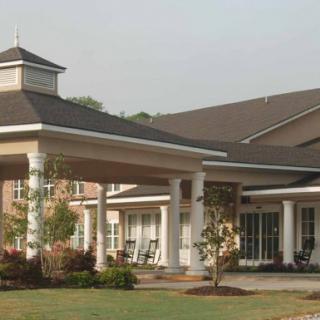
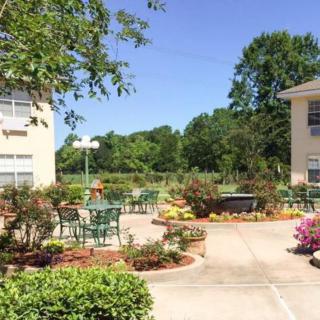
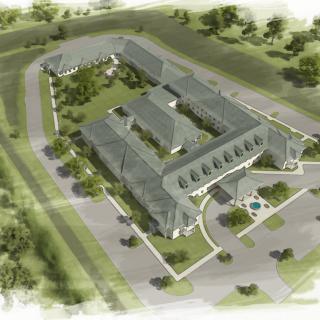
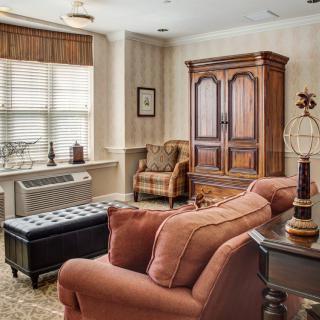
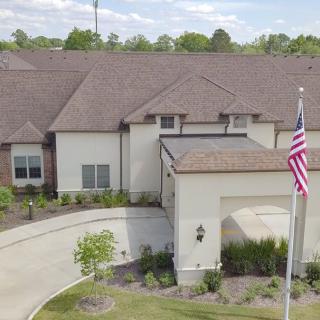
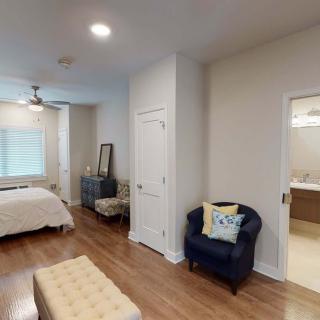
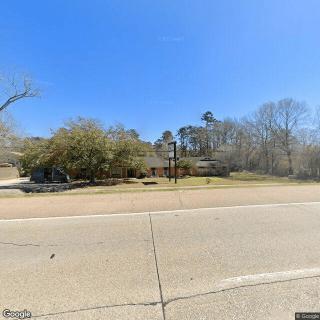
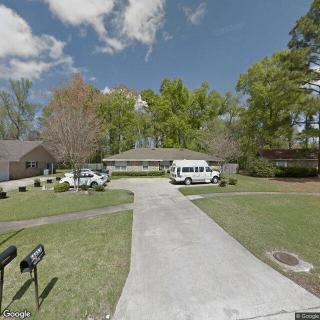
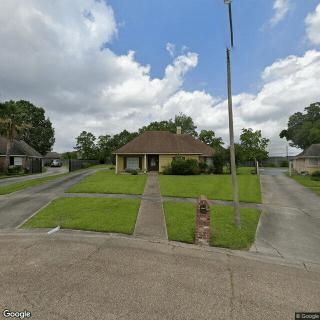
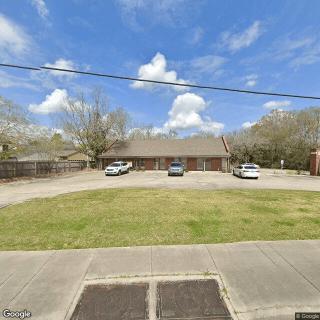
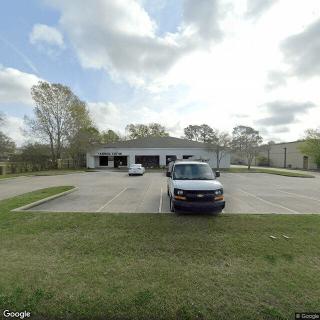
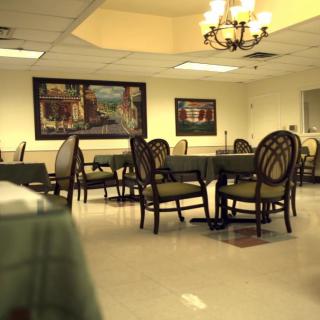
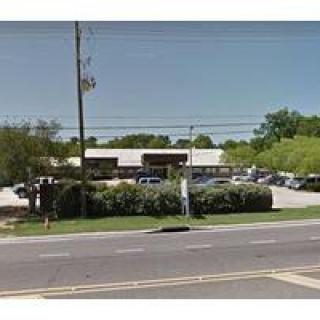
Garden View Assisted Living on seniors.fyi includes 7 photos including images showing building, landscaping, interior, decor, architecture, entrance, dining, living room, and more.
Nearby Communities
Garden View of Baton Rouge
Baton Rouge, LA
3.9 from 35 reviews
Friendly, attentive staff in a clean facility with ample amenities and activities.
Right At Home- Baton Rouge
Baton Rouge, LA
3 from 4 reviews
Many nearby amenities and healthcare options in a peaceful neighborhood.
Evergreen Pesbyterian Ministri
Baton Rouge, LA
3 from 1 review
Serene, supportive assisted living with abundant nearby amenities
McClay House
Baton Rouge, LA
$3,500 / month
Affordable $3,500/month with private rooms and high-acuity care
South Regional Personal Care Services
Baton Rouge, LA
4.3 from 6 reviews
Excellent location with abundant nearby amenities and healthcare access.
Home Instead - Baton Rouge, LA
Baton Rouge, LA
4.8 from 86 reviews
Compassionate, well-trained caregivers and a welcoming workplace.
The Pines Retirement Center
Baton Rouge, LA
3.4 from 72 reviews
$1,500 to $1,800 / month
Caring staff, responsive service, and clean, home-like atmosphere.
Woodleigh Of Baton Rouge
Baton Rouge, LA
4.1 from 69 reviews
Friendly staff and a modern, well-equipped facility.
Lake Sherwood Village Retirement Community
Baton Rouge, LA
4.6 from 68 reviews
$2,275 to $3,275 / month
Friendly staff, clean/modern facilities, engaging activities, and affordable dining options.
Reminiscence therapy helps individuals with dementia recall past memories through structured discussions and meaningful objects, enhancing mood, relationships, and sense of identity while celebrating their lives. It can be practiced in formal settings or at home, requiring sensitivity to personal histories and cultural backgrounds.
Reminiscence therapy is a structured method for older adults, especially those with dementia, to share life stories using prompts and sensory cues, fostering emotional well-being, social engagement, and self-identity. It aims to improve quality of life by enhancing interpersonal connections and cognitive stimulation while requiring careful facilitation to avoid distressing memories.
Dementia, particularly Lewy body dementia, often involves hallucinations that can significantly distress both patients and caregivers due to disruptions in sensory processing and neurotransmitter imbalances. Effective management includes compassionate communication, environmental adjustments, and a multidisciplinary approach to care while addressing the emotional needs of caregivers.
Get PricingAsk A QuestionSchedule A TourContact Senior Advisor
By clicking submit, you agree to our Partner's Terms of Use. You
also consent to receive calls and texts, which may be autodialed, from our Partner. Your consent is not a condition to
using our Partner's service. Please visit our Partner's Privacy Policy for information about their privacy practices.

 Assisted Living
 Memory Care
 Activities on-site
 Air-conditioning
 Beautician on-site
 Cable or satellite TV
 Devotional services off-site
 Ground floor units
 Handicap accessible
 Indoor common areas
 Kitchenette
 Respite or short term stays offered
 Wheelchair accessible showers
 Wi-Fi/high-speed internet available
 Baton Rouge Metropolitan (11 miles away)
 Ambulatory care
 Diabetic care
 High acuity care
 Incontinence care
 Medication management
 Low / no sodium
 Art classes
 Catholic services
 Educational speakers / life long learning
 Forever fit
 Light therapy programs
 Live musical performances
 Live well programs
 Trivia games
 Wii bowling
 Wine tasting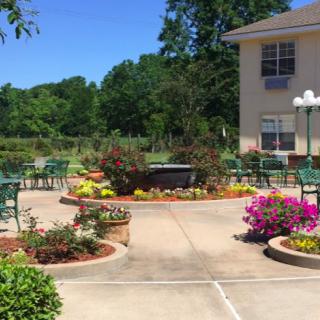
 Friendly, attentive staff in a clean facility with ample amenities and activities.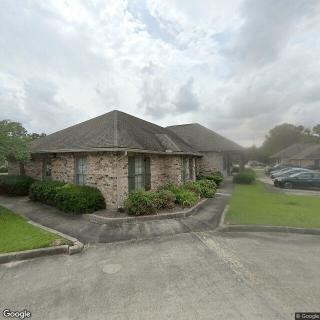

 Exploring the Power of Reminiscence Therapy for Individuals With Dementia
 An In-Depth Look at Reminiscence Therapy in Dementia Care
 Dementia-Related Hallucinations: Causes, Experiences, and Practical Approaches