
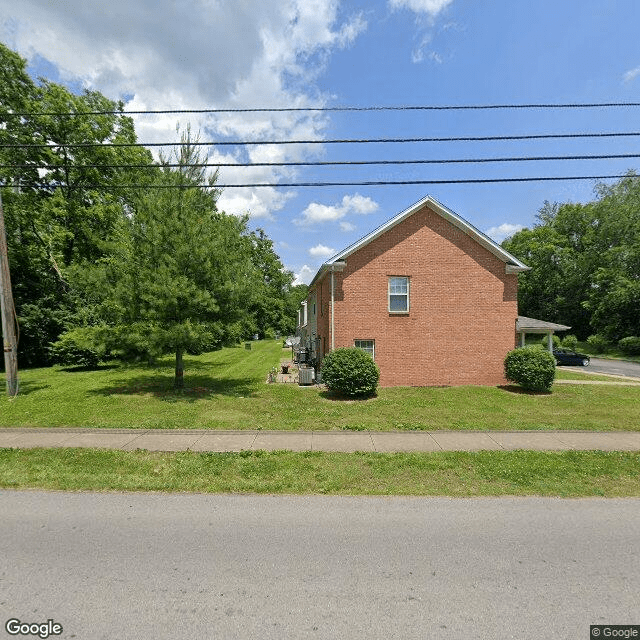
220-C Clifton Rd., Versailles, KY 40383
To contact a resident: (859) 879-1141
For more information about senior living options: (866) 208-4318
Arbor Place Townhomes Costs & Pricing
Arbor Place Townhomes offers a competitive rental rate of $516 per month for their 2-bedroom units, positioning it as an attractive option within the broader housing market in Woodford County and the state of Kentucky. In comparison, the average monthly rent in Woodford County stands at approximately $3,252, while the statewide average reaches about $3,702. This significant disparity underscores Arbor Place's affordability and makes it an appealing choice for those seeking quality living without breaking the bank. Residents can enjoy all the benefits of modern townhome living at a fraction of the cost typically seen in both local and state markets.
| Floor plans | Arbor Place Townhomes | Woodford County | Kentucky |
|---|---|---|---|
| 2 Bedrooms | $516 | $3,252 | $3,702 |
Senior living communities with a similar price nearby
-
from +$24 / mo
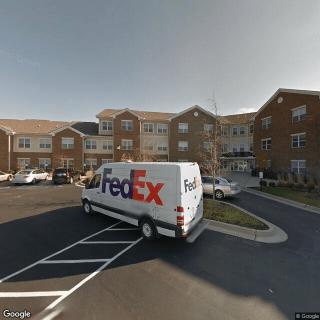
Hamburg Senior Residence
$540 to $4,575 / month17.1 miles away -
About the same
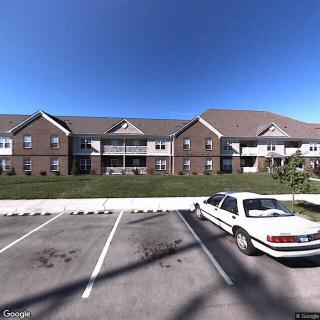
Elk River Senior
$520 to $5,894 / month14.8 miles away -
from +$89 / mo

Gleneagles Apartments
$605 to $685 / month18.3 miles away -
from +$79 / mo
Overlook at Elkhorn Creek
$595 / month15.9 miles away -
About the same
Trinity Properties
$519 / month14.0 miles away
Overall Review of Arbor Place Townhomes
Pros
 Adam gets the job done.
- He completes tasks despite his many responsibilities.
- He is overall 100% in his performance.
Cons
 It takes him a minute because of all of his responsibilities.
Review
Arbor Place Townhomes in Versailles, KY is best suited for highly independent seniors who want a private, townhome-style living arrangement with dependable maintenance and a hands-on staff presence, but without a heavy assisted-living footprint. It works for residents who prize privacy, a quiet, residential setting, and the clarity that comes with a smaller community where tasks like repairs and basic upkeep are managed without drama. This is not a setting built around daily caregiving or high-touch supervision; it is a semi-independent option that offers light support when needed, rather than a full continuum of care.
Families considering alternatives should note who may be better served elsewhere: those requiring regular nursing oversight, scheduled therapy, memory-care programming, or 24/7 supervision will likely feel limited here. Similarly, residents who thrive on broad social programming, robust on-site amenities, or a campus-style atmosphere with organized activities may find this environment too quiet or sparse. For anyone whose needs could escalate beyond occasional maintenance requests or who relies on frequent care coordination, exploring a more traditional assisted living or memory-care community makes sense.
The most compelling pro is a practical, can-do staff ethic embodied by a key team member who “gets the job done.” The sentiment that one staff member, Adam, consistently delivers, even if it takes a bit longer due to his responsibilities, signals a dependable, trouble-shooting mindset that can calm families worried about maintenance or urgent tasks. In a small-town setting, that kind of reliability translates into predictable safety and comfort. Coupled with the townhome layout, residents can manage their own routines with a portable degree of autonomy, knowing maintenance and basic utilities are addressed without requiring constant oversight.
Yet the narrative is not unambiguous. A single one-star voice points to real gaps that cannot be ignored: if service delivery depends heavily on one or a few workers, residents may experience inconsistent response times or uneven communication, especially when schedules are stretched. The rating mix, two five-stars and one one-star, suggests experiences vary substantially. The main con here is a potential mismatch between residents’ expectations for responsiveness and the actual pace of service in a small operation. That discrepancy can undercut peace of mind for families seeking stable, predictable support.
The way the pros offset the cons hinges on expectations and needs. For families prioritizing autonomy and a low-commitment care model, the dependable maintenance ethic and privacy of a townhome setup can offset slower or less comprehensive service. The key is to align care planning with the reality on the ground: there is limited built-in caregiving, and residents should plan for outside assistance or a move if care needs intensify. For those who can tolerate a lean staffing model in exchange for independence and a quieter living environment, Arbor Place Townhomes offers a pragmatic fit that keeps costs and obligations closer to home.
In the end, Arbor Place Townhomes should earn serious consideration for the right buyer: an apartment-style or townhome-minded senior who wants autonomy, predictable maintenance, and a personal touch from staff capable of handling day-to-day fixes. It is not the pick for families seeking regular medical coordination, brisk service, or robust on-site activities. Before deciding, visit with a critical eye toward response times, talk to several staff members beyond Adam, and inspect how a typical maintenance request would be handled. Confirm what level of help is truly available and whether a plan exists to escalate care if needs change, and weigh the quiet, private living against the comfort of a fuller care continuum.
 Active Adult Communities (55+)
 Bath tubs
 Blue Grass (8 miles away)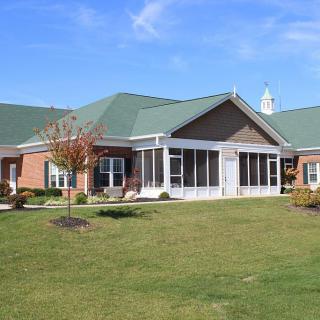




 Weight Training for Seniors: Building Strength and Vitality
 Understanding the Sandwich Generation: Stress and Responsibilities for Multigenerational Caregivers
 8 Essential Assistive Devices for Older Adults