
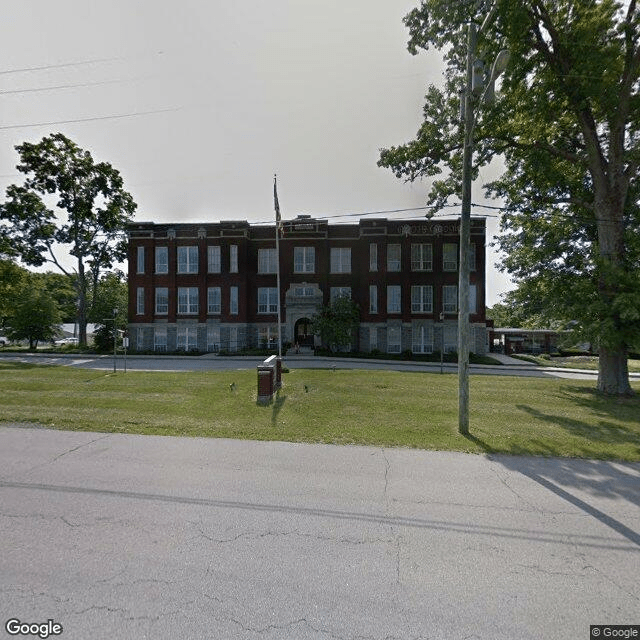
510 South Winter Street, Midway, KY 40347
To contact a resident: (859) 846-4949
For more information about senior living options: (866) 208-4318
Midway School Apartments Costs & Pricing
Midway School Apartments offer competitively priced housing options that stand in stark contrast to both Woodford County and the broader Kentucky market. For a one-bedroom unit, residents pay $500 per month, which is significantly lower than the average costs of $3,436 in Woodford County and $3,458 across the state. Similarly, two-bedroom apartments are available for $760, again showcasing an attractive alternative to the county's average of $3,252 and Kentucky's average of $3,702. These pricing advantages make Midway School Apartments an appealing choice for those seeking affordable living options without compromising on quality or convenience.
| Floor plans | Midway School Apartments | Woodford County | Kentucky |
|---|---|---|---|
| 1 Bedroom | $500 | $3,436 | $3,458 |
| 2 Bedrooms | $760 | $3,252 | $3,702 |
Senior living communities with a similar price nearby
-
from +$40 / mo
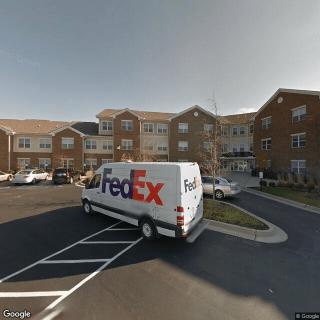
Hamburg Senior Residence
$540 to $4,575 / month16.2 miles away -
from +$20 / mo
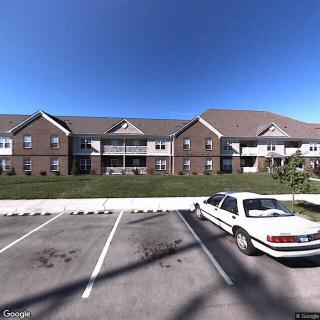
Elk River Senior
$520 to $5,894 / month8.1 miles away -
from +$95 / mo

Overlook at Elkhorn Creek
$595 / month9.7 miles away -
from +$19 / mo
Trinity Properties
$519 / month7.5 miles away -
from +$35 / mo
Creekside Senior Apartments
$535 to $635 / month18.9 miles away
Overall Review of Midway School Apartments
Pros
 The units are well kept, clean, and bug-free.
- The place is very clean.
Cons
 Old, cranky people live here.
- The building is noisy, with thin walls and creaky floors.
- The place has a major problem requiring a monthly maid service to vacuum, mop, and dust hallways and common areas.
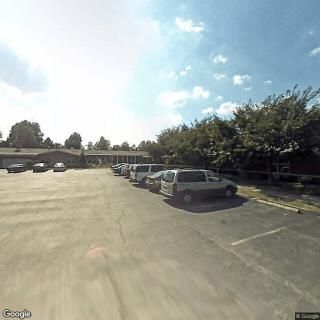
- Parking is insufficient, with 16 spaces for 24 units.
- Management doesn’t seem to want to address the issues.
- There is much worse out there.
Review
Midway School Apartments is best suited for independent seniors who prize a clean, well-kept living space and can tolerate the quirks of an older building. The strongest selling point in the reviews is the cleanliness: the units are reportedly well maintained, bug-free, and generally neat. A family member living there reinforces the impression that the apartment itself is very clean, which matters for residents who want to minimize housekeeping worries and come home to a tidy space. This property works for individuals who want a straightforward, low-frills home where the physical condition of the apartment is reliable and predictable.
Those considering alternatives should weigh parking and sound insulation as top criteria. The reviews flag a chronic parking shortage, 16 spaces for 24 units, paired with a sense that management isn’t actively addressing the problem. For a senior who drives daily or shares a vehicle, the limited parking could mean daily logistics become a stressor, especially if guests visit. Additionally, the building’s older construction translates into noisy, thin walls and creaky floors. For residents who require quiet, soundproofed spaces for better sleep or for those with sensitive hearing, this environment can be a meaningful drawback. Prospective buyers should contrast this with communities that promise more robust sound insulation and guaranteed parking.
The main advantages, cleanliness, unit upkeep, and the absence of pests, do not fully offset the most disruptive drawbacks. Clean, well-kept apartments reduce the burden of ongoing maintenance and provide a baseline of comfort. That benefit carries real weight for residents who want to avoid frequent repair disruptions or the anxiety of an unkempt common area. However, the longer-term quality of life hinges on more than private space. When hallways and shared areas suffer from a lack of regular housekeeping, and when parking becomes a daily hurdle, the overall living experience feels uneven. In short, the favorable condition of the living spaces helps, but it cannot erase the practical downsides that affect day-to-day routines.
The resident mix described as “old, cranky people” suggests a quiet, low-drama environment in some senses, yet it can also translate into a stiff social atmosphere for those seeking a more engaging or supportive community. For seniors who thrive on neighborly activity, structured programs, or easy access to social services, this property may feel limiting. The lack of visible, proactive management in addressing parking and common-area upkeep compounds those concerns. In other words, the clean apartments are a meaningful plus, but not enough to create a self-sustaining sense of community or convenience if management responsiveness and shared-space upkeep remain weak.
In practical terms, this community will attract residents who want a dependable, clean living space and who can live with imperfect social dynamics and logistical hassles. It is less well-suited for anyone who places a premium on ample parking, quiet interiors, and a proactive, customer-focused management approach. For families or future residents touring the property, the right test is simple: verify the current parking situation, probe the sound levels during peak hours, and confirm whether there is any plan to increase housekeeping in hallways and common areas. If these factors are non-negotiable, explore other mid-range options in the Midway area that offer better sound insulation, more parking, and stronger onsite service.
Overall, Midway School Apartments deliver a solid baseline of cleanliness and unit quality that can support comfortable living for independent seniors, but the trade-offs are real. The strongest argument in favor, clean, well-kept apartments, will matter most to those who prioritize hygiene and straightforward maintenance over social activity and parking convenience. Weigh those positives against the persistent drawbacks, noise, thin walls, limited parking, and what feels like tepid management, and the decision becomes clear: this is a good fit for residents who value a clean, simple home and can tolerate some inconveniences, while alternatives should be pursued by anyone for whom parking reliability, quiet interiors, and proactive management are non-negotiable requirements.
 Active Adult Communities (55+)
 Activities off-site
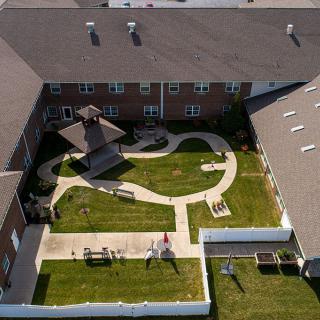
 Outdoor common areas
 Blue Grass (9 miles away)

 In-Home Care Costs in 2025: A Detailed State-by-State Exploration
 Understanding Home Health Care: A Comprehensive Guide
 Home Health Care Demystified: A Comprehensive Guide for Families and Caregivers