
2441 South Highway 27, Somerset, KY 42501
For more information about senior living options: (866) 208-4318
Overall Review of Oakwood ICF Unit 1
Pros
 The job is described as great and very challenging at times.
- The facility is described as great, and the reviewer loves what they're doing there.
Cons
 The place is unethical and downright repulsive.
- They mistreat, use, abuse, and disrespect their hardest workers.
- The facility is a serial abuse center.
- They fail to return calls and neglect duties, including handling Form CMS-L564.
- They block a father's contact with his son by labeling him a felon.
- Scheduling is poorly managed and they do not follow up on appointments.
- They do not help anyone.
Review
Oakwood ICF Unit 1 in Somerset is best suited for families that value a solid, well-equipped facility and active programming, but that can tolerate, and actively manage, significant leadership and staffing gaps. The environment can deliver clinical structure and engaging activities, yet its success hinges on aggressive advocacy from families and relentless oversight of administrators and frontline staff. In short, this community can work for residents whose families are prepared to be hands-on managers, scheduling frequent visits, and forcing timely responses to concerns.
Those who should strongly consider alternatives are families prioritizing safety, ethical governance, and predictable communication. If a resident’s well-being depends on consistently responsive administration, transparent billing, and reliable coordination of care, Oakwood’s drawbacks raise too many red flags. Prospective residents who cannot commit to frequent escalation, in-depth checks, and ongoing problem-solving with the leadership team should look toward options with proven stability and smoother administrative workflows. The same applies to families that need dependable callback times and clear, proactive engagement from staff and management.
The potential positives, solid facility infrastructure and a programmatic mindset, do not adequately offset the dominant concerns. When the halls look polished and programming is described as "great" or "challenging," those strengths are meaningful, yet they sit atop a foundation with serious, recurring weaknesses. Reported patterns of mistreatment toward staff, inconsistent communication with families, and systemic scheduling failures undermine trust in the continuity of care. In this dynamic, enhanced activity options and clinical capability matter, but only if the staffing culture and administrative responsiveness can be trusted to protect residents.
Communication and accountability emerge as the clearest fault lines. Families repeatedly recount nonresponsiveness to calls, delays or failures in handling essential paperwork, and resistance to coordinating critical documents such as CMS-L564 forms. These gaps have direct consequences for ongoing eligibility, medical continuity, and the ability to navigate insurance or state program requirements. When administration appears slow to return calls or reluctant to review important legal or financial details, care plans become unstable and uncertainty grows for everyone involved. For a setting that depends on ongoing collaboration among administrators, clinicians, residents, and families, such lapses are not acceptable risk.
Practical steps distinguish the prudent path from the risky one. Prospective residents and their families should insist on an in-person meeting with the administrator, a tour that includes conversations with direct-care staff, and a clear, signed commitment to response times and escalation procedures. Request current staffing ratios, turnover rates, and a review of incident and complaint logs. Ask to see state inspection reports and any corrective action plans, then verify progress here as well. If maintaining this placement is pursued, pair the decision with a formal care-management plan that assigns a primary advocate, sets regular progress reviews, and establishes rapid escalation channels for any new red flags.
In the end, Oakwood ICF Unit 1 does present a usable platform for residents who can tolerate, and even demand, aggressive family involvement and vigilant oversight. For most families, however, the balance tilts away from stability and toward risk. If the priority is reliable responsiveness, ethical staffing, and unobstructed communication, this community is unlikely to meet those thresholds. Consider alternate options where governance is consistently transparent, staff relationships are respectful, and the care roadmap can be executed without persistent administrative friction. The choice should favor environments with demonstrable, minute-to-minute reliability over those that occasionally shine in programming while repeatedly faltering in the essential duties of care.
 57 resident community capacity
 Assisted Living
 Air-conditioning
 Beauty salon
 Cable or satellite TV
 Computer center
 Dining room
 Fitness room
 Fully furnished
 Gaming room
 Garden
 Housekeeping services
 Kitchenette
 Move-in coordination
 Outdoor space
 Private bathrooms
 Restaurant-style dining
 Small library
 Telephone
 Wellness center
 Wi-Fi/high-speed internet available
 Community operated transportation
 12-16 hour nursing
 24-hour call system
 Activities of daily living assistance
 Assistance with bathing
 Assistance with dressing
 Assistance with transfers
 Diabetes diet
 Medication management
 Mental wellness program
 Special dietary restrictions
 Transportation arrangement (medical)
 Concierge services
 Planned day trips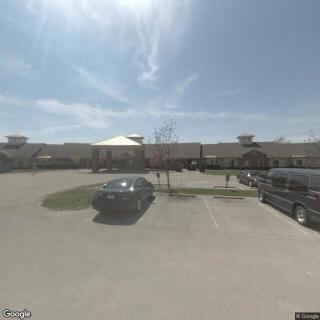



 Medicare Coverage for Assisted Living: An In-Depth Exploration
 Choosing the Right Senior Care: A Detailed Exploration of Assisted Living and Nursing Homes
 Understanding the True Cost of Assisted Living in 2025: A Comprehensive Guide