
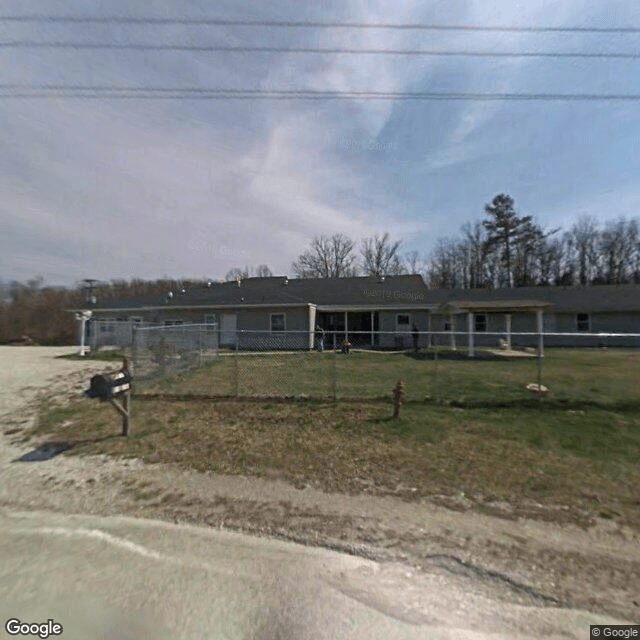
1930 Highway 90, Parkers Lake, KY 42634
For more information about senior living options: (866) 208-4318
Overall Review of Cumberland Manor Rest Home
Cons
 The place is a dump.
- Residents have been sleeping on cots for over a week.
- There is insufficient heat.
- The resident phone is constantly broken.
- The floors feel weak.
- The whole building is filthy dirty.
Review
Cumberland Manor Rest Home in Parkers Lake, KY is best suited for families and residents who are willing to accept a modest, no-frills environment in exchange for affordability and proximity to loved ones. The feedback available depicts serious gaps in heat, cleanliness, and basic infrastructure, suggesting that Cumberland Manor rests more on a budget footprint than on dependable quality. For seniors who require reliable temperatures, consistently clean spaces, and functional communication devices, this option should be crossed off the short list. The setting may appeal to those who prioritize location or a small, intimate vibe over polished amenities, but the price paid is steady exposure to maintenance shortcomings that affect daily comfort and safety.
Those who should consider alternatives include anyone who cannot tolerate frequent heat fluctuations, dusty or dirty spaces, or nonfunctional resident communications. Families should prefer facilities with transparent maintenance practices, prompt repairs, and a consistently clean environment supported by strong housekeeping and HVAC reliability. In markets with steadier operators, the contrast should be clear: regular housekeeping, responsive maintenance, and up-to-date safety systems are non-negotiable. If those benchmarks cannot be met, exploring other communities or home-care options is prudent. The goal is predictable routines and a facility that respects basic dignity, elements not clearly demonstrated here based on current feedback.
Two of the five-star ratings suggest that at least a portion of residents experiences favorable days, but the specifics are elusive, and the lack of detail erodes confidence. High marks without context do not substitute for reliable day-to-day quality in a setting where safety and comfort clash with maintenance failures. In the decision calculus, the lack of concrete, positive differentiators makes the overall value proposition harder to justify. The reality implied by the strongest negative report is powerful enough to overshadow the partial positives, leaving questions about consistency and accountability.
The core concerns read like a short checklist of critical failures: residents sleeping on cots for extended periods, insufficient heat, resident phones that do not work, floors that feel unstable, and a building described as filthy. Each item undercuts dignity and independence and raises risk in ways that are hard to mitigate. Heating problems create discomfort and potential health risk, broken communication devices hinder emergency response, and weak flooring multiplies fall danger. Filthy conditions point to housekeeping gaps that can invite health issues and erode trust in the staff's ability to maintain a safe home. Taken together, these factors constitute a compelling argument against long-term placement without meaningful improvement.
On balance, the limited positive signals do not meaningfully offset the material deficiencies. The safety and comfort gaps dominate the experience, so families should weigh the likelihood of ongoing disruption against the potential savings. For risk-averse families, or those with residents who require reliable heat, steady housekeeping, and prompt maintenance, alternatives are strongly advised. In practice, this means Cumberland Manor is most suitable for ultra-low-demand individuals who can be supported and monitored externally, or for those who can tolerate frequent interruptions in service while seeking elsewhere. The entry in a long-term plan should reflect a readiness to move if conditions do not improve.
Decision-ready guidance centers on an explicit evaluation plan. Prospective residents should demand a current maintenance log, ask for average repair response times, and verify heating capacity across seasons. Inspect rooms and common areas for cleanliness; test resident phones and call systems; confirm elevator or stairwell safety and floor integrity; review licenses and the latest inspection reports; and speak candidly with staff about turnover and training. Seek out experiences from current residents or their families. If Cumberland Manor cannot demonstrate reliable heat, consistent housekeeping, prompt repairs, and a track record of responsive service, alternatives, such as larger, better-rated facilities or in-home care options, should be pursued with urgency.
 49 resident community capacity
 Assisted Living
 Activities on-site
 Beauty salon
 Cable or satellite TV
 Devotional services off-site
 Dining room
 Fully furnished
 Garden
 Housekeeping services
 Indoor common areas
 Kitchenette
 Move-in coordination
 Outdoor space
 Telephone
 Wi-Fi/high-speed internet available
 24-hour call system
 Ambulatory care
 Assistance with bathing
 Assistance with dressing
 Assistance with transfers
 Diabetes diet
 Diabetic care
 Meal preparation and service
 Medication management
 Mental wellness program
 Special dietary restrictions
 Transportation arrangement (medical)
 Transportation to doctors appointments
 Extensive on-site amenities and 24/7 care.


 How and When Medicaid May Cover Assisted Living Costs
 A Detailed Exploration of Assisted Living Medicaid Waivers Across the United States
 Comprehensive Residential Support and Assisted Living Solutions for Individuals with Disabilities