
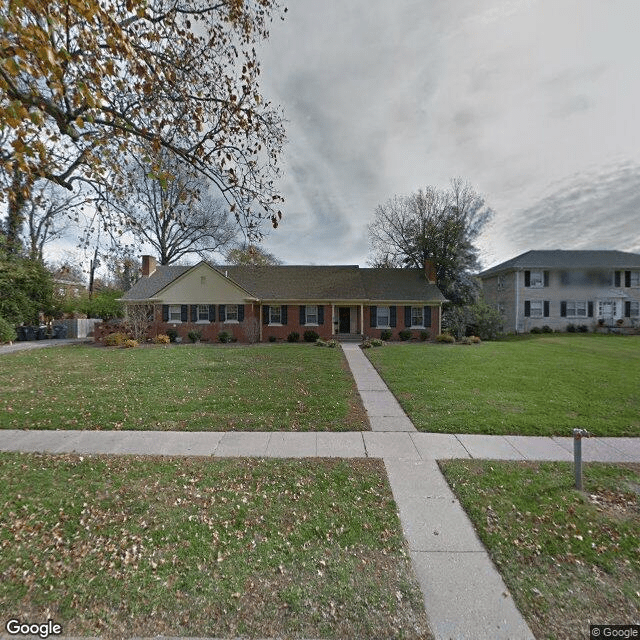
319 Duke Rd, Lexington, KY 40509
To contact a resident: (859) 266-6031
For more information about senior living options: (866) 208-4318
The Villa at Chevy Chase Costs & Pricing
The Villa at Chevy Chase offers a competitive pricing structure for its private rooms, with monthly costs set at $2,500. This rate not only positions The Villa as an attractive option compared to the average monthly cost of $3,538 in Fayette County but also reflects significant savings when contrasted with the state average of $4,260 across Kentucky. These figures suggest that residents at The Villa benefit from quality accommodations and services while enjoying a more economical choice within both their county and statewide context.
| Floor plans | The Villa at Chevy Chase | Fayette County | Kentucky |
|---|---|---|---|
| Private | $2,500 | $3,538 | $4,260 |
Senior living communities with a similar price nearby
-
from +$350 / mo
Hometown Manor Assisted Living of Georgetown
$2,850 / month13.6 miles away -
from -$450 / mo

Ashwood Place Senior Living
$2,050 to $3,795 / month24.7 miles away -
from +$300 / mo

Hometown Manor Of Frankfort
$2,800 to $6,563 / month20.7 miles away -
from +$370 / mo
Rose Mary C. Brooks Place a CCRC
$2,870 to $3,825 / month15.2 miles away -
from +$250 / mo
Richmond Place Senior Living
$2,750 to $6,510 / month2.7 miles away
Overall Review of The Villa at Chevy Chase
Pros
 The place is great.
- It is a great place.
Cons
 The bathrooms were not accessible for the reviewer's mom.
- The bathrooms were not accessible for the reviewer's mom.
Review
The Villa at Chevy Chase in Lexington, KY is best suited for seniors who want a warm, community-focused living environment with solid staff support and a pleasant, traditional assisted-living atmosphere. It appeals to families seeking a well-regarded setting where daily routines feel manageable and social interactions are accessible without turning the experience into an institutional one. The core caveat is the architecture and design around bathrooms: current feedback points to a critical accessibility gap that can disrupt independence for residents who rely on fully accessible facilities. In short, this community can deliver a comfortable, livable experience, for those who can work around or address bathroom accessibility in their care plan.
Those who may want to consider alternatives are seniors whose mobility needs include fully accessible bathrooms as a non-negotiable feature. Potential residents requiring roll-in showers, extra-wide doors, and ample maneuvering space for walkers or wheelchairs will want to look elsewhere or demand specific bathroom modifications before committing. Families should also evaluate longer-term needs: if a higher level of medical or personal care becomes likely, sites with universal design features and guaranteed accessibility across all units may better protect against the need for disruptive moves later.
What stands out positively is the sentiment that the community is a “great place.” While the specifics aren’t itemized in the available feedback, that single phrase suggests a favorable overall environment: likely approachable staff, a welcoming atmosphere, and a layout that feels homey rather than clinical. Residents probably benefit from a sense of safety and routine, with opportunities for social engagement and meaningful daily activities. Those aspects matter a great deal when selecting a home, and they can offset some everyday annoyances if accessibility isn’t a barrier for the individual’s independence.
Yet the main con, the lack of accessible bathrooms, continues to loom large. Accessibility is more than convenience; it directly impacts safety, independence, and night-time routines. Even with friendly staff and a pleasant setting, a resident who cannot use the bathroom safely without assistance will face increased dependence on caregivers and potential friction with in-room autonomy. Pros such as a comfortable living environment and attentive care can be undermined by this design flaw, and the burden of workaround solutions (portable devices, frequent caregiver transfers, or time-consuming access) tends to erode the overall value proposition for families where independence is a primary goal.
Practitioners evaluating this community should be prepared with a concrete plan. During visits, request detailed bathroom measurements, door widths, shower configurations, and the possibility of retrofit options that can convert a bathroom to a truly accessible space. Ask to see floor plans for multiple units, inquire about any ongoing accessibility upgrades, and discuss whether the staff have experience assisting residents with mobility devices in the bathroom without compromising safety. Also gather candid feedback from current residents or families about how often accessibility limitations impact daily life and whether temporary accommodations have proven adequate.
The bottom line is practical: The Villa at Chevy Chase can be a strong fit for families prioritizing environment, community vibe, and reliable daytime care, provided that bathroom accessibility concerns are actively addressed. If the resident’s needs include fully accessible bathing facilities or if retrofitting is not a practical option, alternatives with universal design features should be pursued. For families willing to verify and, if needed, fund targeted improvements, this community stands as a solid choice with real warmth and dependable care, just not a guaranteed home for residents who cannot tolerate non-accessible bathrooms.
 Board and Care Home
 Beautician on-site
 Indoor common areas
 Private
 Blue Grass (7 miles away)
 Ambulatory care
 Diabetic care
 High acuity care
 Meals provided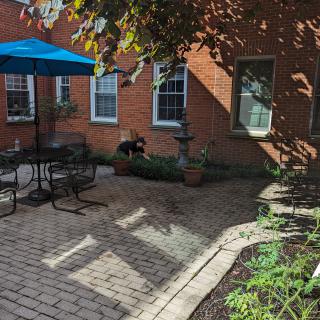


 Navigating the Tax Landscape of Caregiving: Credits, Deductions, and Beyond
 Highly Beneficial Low-Impact Exercises for Senior Living Residents
 Is In-Home Healthcare Tax Deductible? Your Comprehensive Guide