

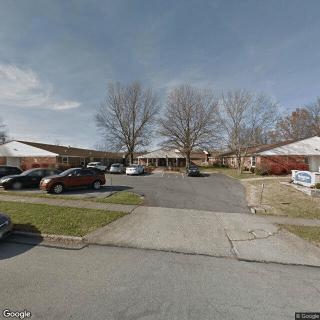
1530 Nicholasville Rd, Lexington, KY 40503
To contact a resident: (859) 277-9215
For more information about senior living options: (866) 208-4318
Overall Review of Nursing Home Ombudsman Agency
Pros
 The staff were extremely helpful, answering all questions thoughtfully, completely, and with genuine concern.
- The people were very nice, showed concern, looked into the matter, and will follow up.
Review
This Lexington, Kentucky Nursing Home Ombudsman Agency is best suited for families that want an independent, knowledgeable ally to navigate elder-care options, understand residents’ rights, and push for timely, respectful responses from facilities. It excels for decision-makers who prefer careful information gathering over marketing pitches and who value a trusted intermediary that can translate policy language into practical next steps. Those weighing whether a traditional nursing facility, an assisted living setting with potential medical oversight, or in-home care arrangements best fit a loved one will find the agency especially helpful as an objective sounding board. For families seeking hands-on daily care within a single campus or a facility that supplies ongoing medical oversight, alternatives should be considered.
The most salient strength centers on staff quality. Extremely helpful staff members answer questions thoughtfully, completely, and with genuine concern. This is not a perfunctory information desk; the engagements are substantive, with an emphasis on clarity, rights, and options. Families facing complex choices benefit from the depth of explanation, the patience to unpack policy details, and the willingness to explain how processes unfold in real-world terms. In decision-making moments, that level of responsiveness shortens cycles, reduces guesswork, and helps families move from uncertainty to a concrete plan.
Another clear advantage is the demeanor and follow-through of the team. Reviewers describe the people as very nice, clearly concerned, and committed to looking into matters and following up. That consistency matters when concerns arise, whether questions about eligibility, grievance procedures, or how to document a complaint. The agency’s follow-up culture translates into accountability in practice: families are not left waiting in limbo, and issues are tracked toward resolution. For families navigating the opaque terrain of care options, that reliability can be as valuable as any specific factual answer.
Two practical considerations emerge when weighing pros against potential drawbacks. First, this entity functions as an advocate and information resource, not a direct care provider. There is no on-site care continuum, no daily living assistance, and no medical supervision offered within a campus setting. For families needing hands-on care on a day-to-day basis, the ombudsman agency should be used in concert with a facility or service that delivers ongoing care. Second, the sample size behind the high praise is modest, four reviews, so while the feedback is consistently positive, it should be corroborated with on-site visits, updated assurances, and conversations with multiple staff members. The absence of negative reviews does not eliminate the need for due diligence.
Despite the absence of on-site caregiving, the agency’s advantages strongly offset its scope limits for many families. The core value lies in its role as an independent, knowledgeable facilitator who helps compare options, decode rights, and demand appropriate follow-through from providers. The ability to verify information, question facility practices, and organize a coherent action plan reduces the risk of misinterpretation or misrepresentation during a stressful period. In practice, this means families can enter facility tours and negotiations with a clearer, more concrete agenda, backed by an advocacy partner who will backstop questions and document outcomes.
For families ready to take action, the next steps are straightforward. Schedule an intake to map the decision landscape, list all loved one’s care needs, and inventory questions about rights, complaint processes, and timelines. Request practical tools such as checklists for facility visits, sample grievance procedures, and guidance on power-of-attorney and advance directives. Seek clarity on how the agency documents and escalates concerns, and ask for precedents where advocacy has led to timely resolutions. In short, this ombudsman service is a prudent complement to traditional care planning, offering independence, accountability, and a disciplined approach to decision-making. It stands as a strong choice for families prioritizing informed, principled advocacy, while reminding that the best path often combines this resource with direct-care options that provide the daily support loved ones require.
 Day Program
 Skilled Nursing Facility
 Blue Grass (5 miles away)






 Urinary Tract Infections in Older Adults: Comprehensive Insights on Symptoms, Treatment, and Prevention
 California's Form 602A: An In-Depth Examination of Senior Care Assessment
 Comprehensive Look at Senior Blood Pressure Charts: Normal and Elevated Levels by Age