

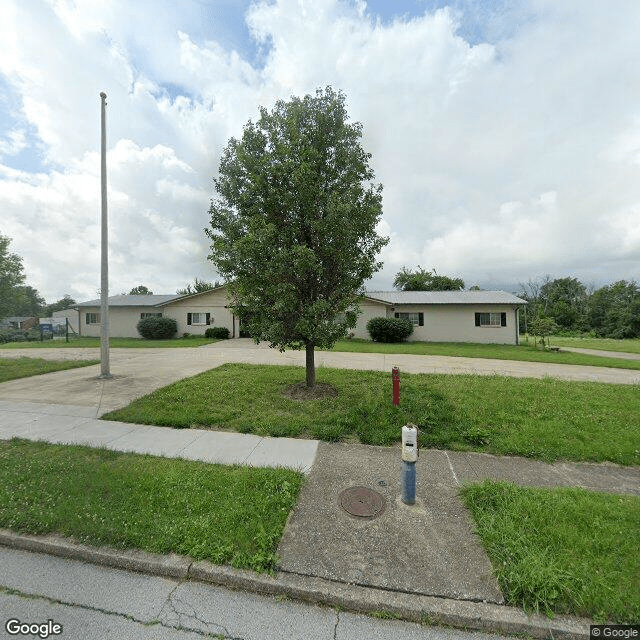
3743 Red River Dr, Lexington, KY 40517
To contact a resident: (859) 368-0334
For more information about senior living options: (866) 208-4318
Overall Review of Afton Community Day, Inc
Pros
 It is a nice place not only for immigrants and seniors but also for the community in general.
- It provides jobs and cares for elderly people and kids with special needs.
- The caregivers are awesome.
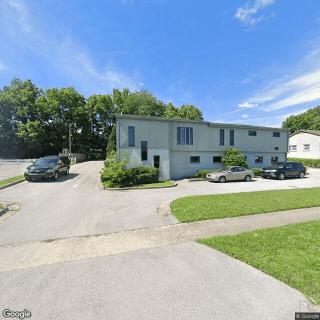
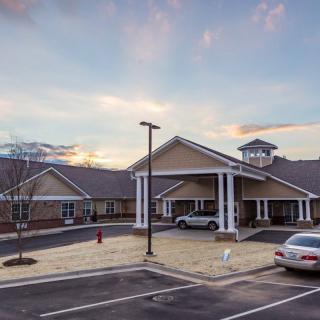
- It has an excellent location and architectural buildings in a green area.
- It is made up of good people to work with.
Cons
 They show no respect for the residential community, holding meetings and loud music every weekend and continuing well past midnight.
- Afton sent a slovenly quality control worker named Pam who was rude and insulting to the reviewer.
- Afton’s phone number is out of service.
- Afton did not ask for permission to send Pam.
- Pam’s racism is criticized as going out of style since the 1960s, and she was rude to the reviewer’s Black caregiver.
- The reviewer suggested gifting Pam a hairbrush, implying she doesn’t own one.
Review
Best suited for families seeking a community-centered option with a green, walkable campus and a hands-on caregiving ethic. Afton Community Day, Inc. sits in Lexington with architectural appeal and ample green space that make daily life feel connected rather than clinical. The care team is repeatedly described as warm and reliable, and the operation pursues a broader social mission, providing local jobs, serving elderly residents, and extending support to kids with special needs. For families prioritizing a humane atmosphere, neighborly interaction, and a sense of belonging over a pristine, hospital-like setting, this community can feel like the right fit. It is not merely a place to receive care; it acts as a hub where everyday interactions, service-minded outreach, and communal ties matter.
Those who may want to consider alternatives are families prioritizing quiet, predictable management, and trouble-free communication. Several reviews flag a lack of quiet boundaries, loud music during weekends when activity appears to be limited, suggesting a mismatch between events and expectations for residential calm. Administrative issues also surface: a phone line reported out of service, and at least one encounter with a staff member perceived as rude and disrespectful, with an undercurrent of racial insensitivity. For families that require consistently professional conduct, reliable channels of communication, and strict adherence to resident rights, these concerns warrant careful comparison with other options before committing.
On balance, the strongest positives are the caregiving warmth, the sense of community, and the campus setting; these elements offset only partially the notable drawbacks. The staff’s willingness to engage, the visibility of inclusive service, and the blend of care for elderly residents with programs that reach into the broader community offer meaningful value. The location and architecture support a pleasant lifestyle that can reduce stress during transitions. However, the loud weekends and a few documented missteps in quality control and resident contact bring risk: misaligned expectations about noise, potential reputational strain, and the discomfort of encountering disrespectful interactions. When these cons meet a solid, committed caregiving staff and a mission-driven environment, the trade-off hinges on tolerance for operational quirks.
Practical considerations for families weighing this option include verifying how staffing levels and training translate into daily routines, and how complaints are managed. Prospective residents should inspect quiet hours, room assignments, and visitation policies to determine whether boundaries align with personal needs. It is essential to confirm current contact methods and accessibility; a nonworking phone line limits timely problem-solving. Meeting with the administrator and several caregivers can illuminate whether race-sensitive practices and respectful behavior are standard, not anomalies. Request a transparent outline of services, schedules, and any upcoming changes to community events that could affect noise or resident welfare. A firsthand visit during active hours yields the clearest read on vibe and responsiveness.
Mitigation steps are straightforward. Seek a written code of conduct and a clear escalation path for resident concerns, with assigned contacts who respond within a defined timeframe. Ask for recent staff training packets, especially around cultural sensitivity, resident rights, and conflict resolution. Inquire about how the campus supports children with special needs alongside seniors, including staff-to-resident ratios during peak activity. Probe whether community meetings and events are clearly scheduled with advance notice and whether quiet spaces are available for residents needing downtime. If the answer hinges on goodwill rather than formal policy, proceed with caution and request concrete commitments.
Bottom line: Afton Community Day, Inc. delivers a genuinely humane, community-based living experience supported by attentive caregivers and an appealing campus. The trade-off is a reality of operational friction, occasional loud events, questionable contact channels, and at least one report of disrespectful conduct. For families who prize inclusion, local employment, and a warm, neighborly environment, this option can be a strong match given proactive oversight and clear policies. Those demanding immaculate professionalism, absolute quiet, and flawless administrative reliability may find alternatives that better align with those priorities. The decision should come from a thorough visit, pointed questions, and a concrete plan to address the highlighted concerns.
 Day Program
 Air-conditioning
 Cable or satellite TV
 Indoor common areas
 Wi-Fi/high-speed internet available
 Blue Grass (8 miles away)
 Diabetic care
 Incontinence care
 Medication management
 Gluten-free
 Art classes
 BBQs or picnics
 Cooking classes
 Gardening club
 Karaoke
 Live dance or theater performances
 Live musical performances
 Live well programs
 Trivia games


 Comprehensive Insights and Practical Strategies to Help Older Adults Avoid Falls
 6 Crucial Ways an Elder Law Attorney Assists Families
 Navigating the Tax Landscape of Caregiving: Credits, Deductions, and Beyond