For more information about senior living options: (866) 208-4318
4.7 from 30 reviews
5 stars
21
4 stars
8
3 stars
1
2 stars
0
1 stars
0
The Neighborhood at Hopkinsville Costs & Pricing
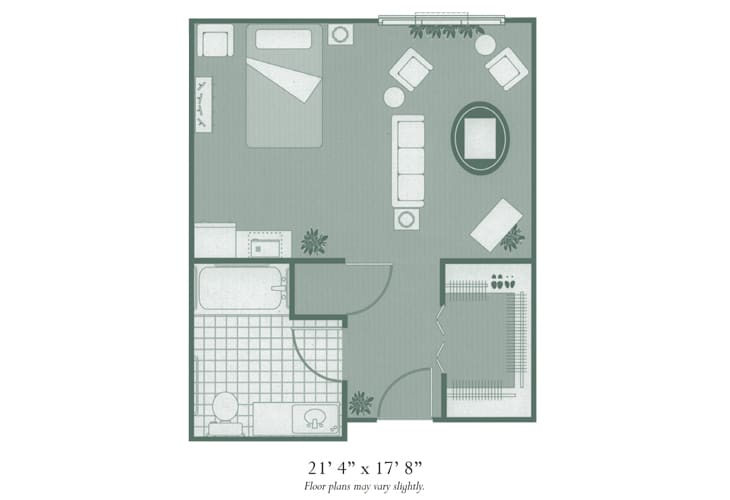
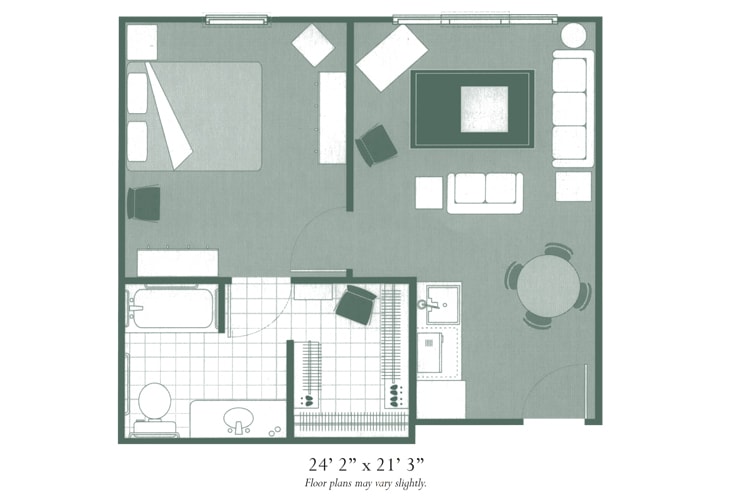
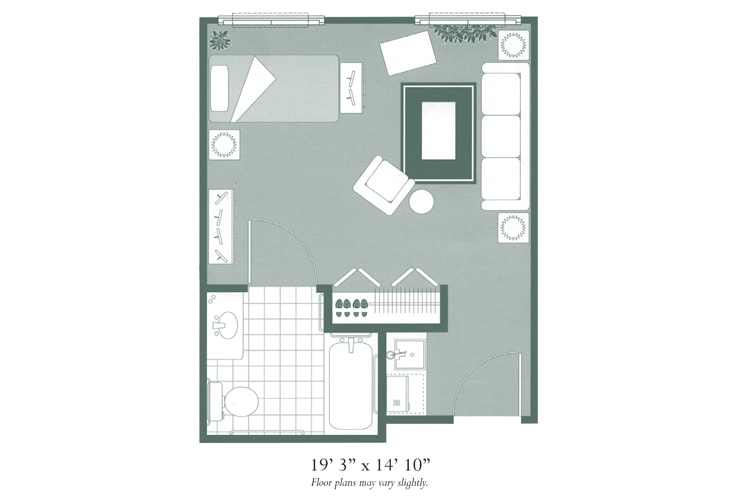
The Neighborhood at Hopkinsville offers competitive monthly rates for its residents, particularly when compared to both Todd County and the state of Kentucky. For a studio apartment, the cost is $3,125, which is notably higher than the county average of $2,988 but slightly lower than the state average of $3,357. The 1-bedroom units are priced at $3,400, significantly exceeding Todd County's rate of $1,873 while remaining comparable to Kentucky's state average of $3,458. Meanwhile, the 2-bedroom apartments are offered at $4,100 - a striking contrast to Todd County's low average of $1,783 and higher than the state average of $3,702. Overall, while The Neighborhood at Hopkinsville stands out in terms of pricing within its immediate area and offers quality living spaces that may justify these costs, potential residents should consider their budget relative to local averages.
Floor plans
The Neighborhood at Hopkinsville
Todd County
Kentucky
Studio
$3,125
$2,988
$3,357
1 Bedroom
$3,400
$1,873
$3,458
2 Bedrooms
$4,100
$1,783
$3,702
Assisted Living communities with a similar price nearby
Overall Review of The Neighborhood at Hopkinsville
common20 reviews mention this
Staff care and responsiveness stand out
Residents and families describe staff as helpful, caring, and responsive to needs.
Across the reviews, families repeatedly point to staff as a main reason they felt comfortable choosing (or recommending) the community. Several comments describe patience with questions, willingness to help with care needs, and staff treating residents kindly. Some reviewers also mention that staffing levels can limit how quickly everything gets done, but they still describe many staff members as supportive.
common15 reviews mention this
The atmosphere feels clean and homey
Reviews commonly describe the building as clean and welcoming.
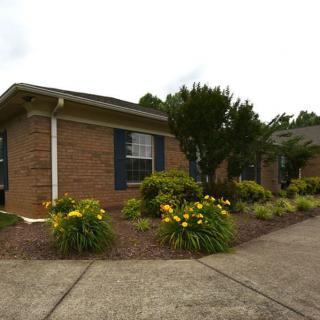
Many reviewers talk about the community as clean and friendly, with a “home” feel rather than an institutional one. A number of comments also describe shared spaces and details meant for day-to-day comfort, including quiet areas and places to gather. While a few reviews raise concerns about upkeep when the facility is short-handed, the overall tone still leans toward a positive, well-kept environment.
caveat8 reviews mention this
Food quality is a mixed point
Dining gets both praise and criticism in the reviews.
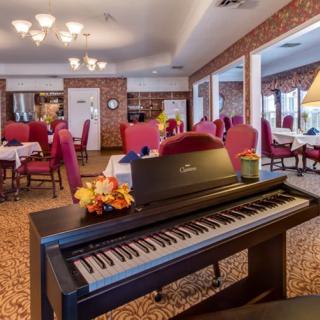
Some residents and visitors say the food tastes very good, including comments about meals and desserts and how the dining room is set up. Others are less satisfied, saying the food is not good or is harder to eat for people with dental needs. There are also reviews suggesting service during the visit felt positive even when other experiences were uneven.
caveat3 reviews mention this
Short staffing affects daily routines
Several reviews say the community has been short-staffed at times.
A few reviewers describe being short-handed, with knock-on effects like less time for room cleaning and difficulty keeping up with needs. One review also mentions a slow resolution for a deposit refund after a transition. Even where residents seemed to do “okay,” the recurring theme is that staffing constraints can make day-to-day service feel inconsistent.
How we summarize
Counts show how many written reviews mention each theme; a review can touch several themes, and only frequently mentioned themes are displayed.
Features
Housing
42 resident community capacity
Types of Care
Assisted Living
Pets
Cats allowed
Dogs allowed
Amenities
Activities on-site
Beautician on-site
Beauty salon
Cable or satellite TV
Devotional services off-site
Dining room
Fully furnished
Garden
Housekeeping services
Indoor common areas
Kitchenette
Move-in coordination
Outdoor space
Respite or short term stays offered
Restaurant-style dining
Small library
Telephone
Wi-Fi/high-speed internet available
Care Services
24-hour call system
24-hour supervision
Activities of daily living assistance
Ambulatory care
Assistance with bathing
Assistance with dressing
Assistance with transfers
Diabetes diet
Incontinence care
Meal preparation and service
Medication management
Mental wellness program
Special dietary restrictions
Dining
Diabetes diet
Meals provided
Special dietary restrictions
Activities
Activities on-site
Community-sponsored activities
Devotional activities offsite
Resident-run activities
Scheduled daily activities
Languages Spoken
English
Nearby Places of Interest
Hopkinsville, Kentucky is a bustling town with a variety of amenities and services conveniently located within close proximity. You will find reputable physicians, pharmacies, and hospitals nearby for your healthcare needs. There are also several dining options ranging from casual to sit-down restaurants. Places of worship are readily available for spiritual fulfillment, and cafes offer a cozy atmosphere to enjoy a cup of coffee with friends. Transportation services such as U-Haul are accessible for any moving or storage needs. Overall, this area provides a well-rounded community for seniors looking to settle down in Hopkinsville.
Physicians
Dr Veer (0.3 miles)
Bluegrass MD (0.3 miles)
Generations Primary Care (0.4 miles)
1 On 1 Medical Care Solutions (0.5 miles)
David P Bealle (1 miles)
West Kentucky Orthopedics & Sports Medicine (1 miles)
The Neighborhood at Hopkinsville offers competitive monthly rates for its residents, particularly when compared to both Todd County and the state of Kentucky. For a studio apartment, the cost is $3,125, which is notably higher than the county average of $2,988 but slightly lower than the state average of $3,357. The 1-bedroom units are priced at $3,400, significantly exceeding Todd County's rate of $1,873 while remaining comparable to Kentucky's state average of $3,458. Meanwhile, the 2-bedroom apartments are offered at $4,100 - a striking contrast to Todd County's low average of $1,783 and higher than the state average of $3,702. Overall, while The Neighborhood at Hopkinsville stands out in terms of pricing within its immediate area and offers quality living spaces that may justify these costs, potential residents should consider their budget relative to local averages.
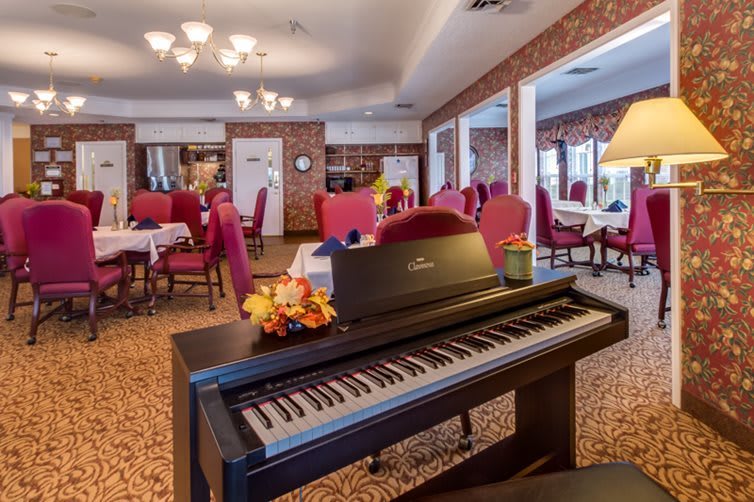
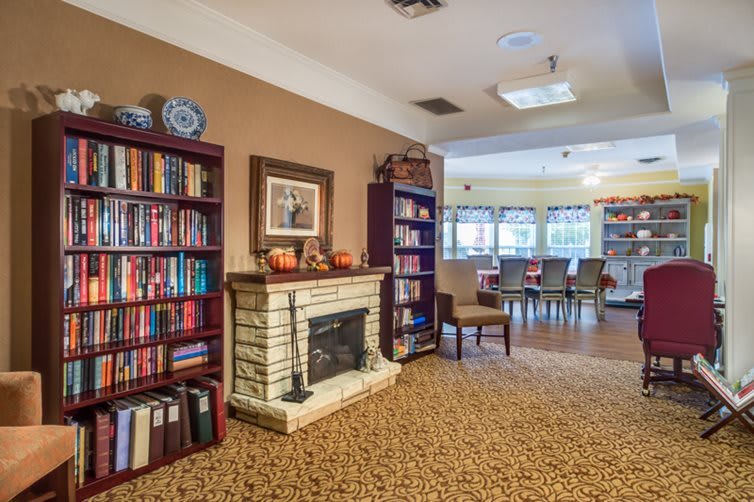
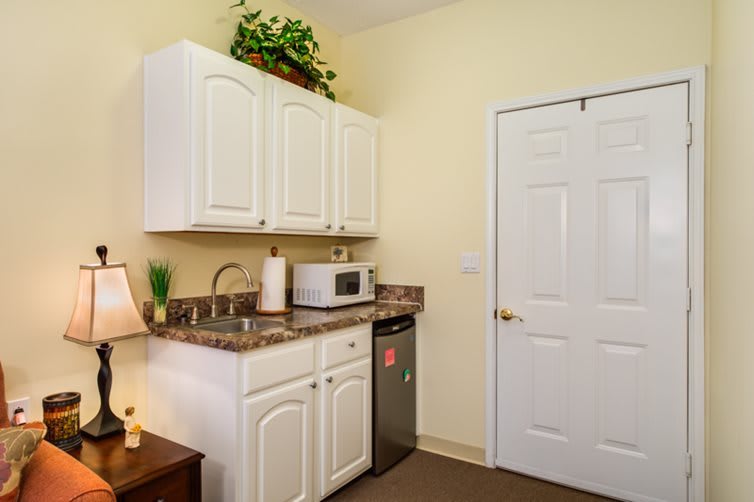
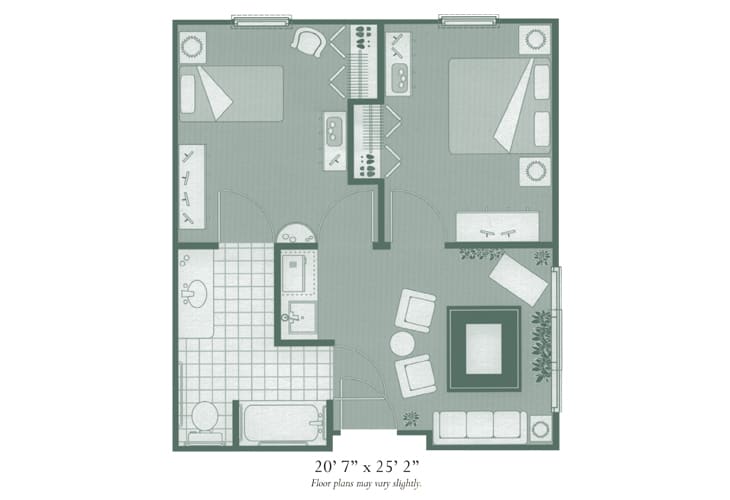
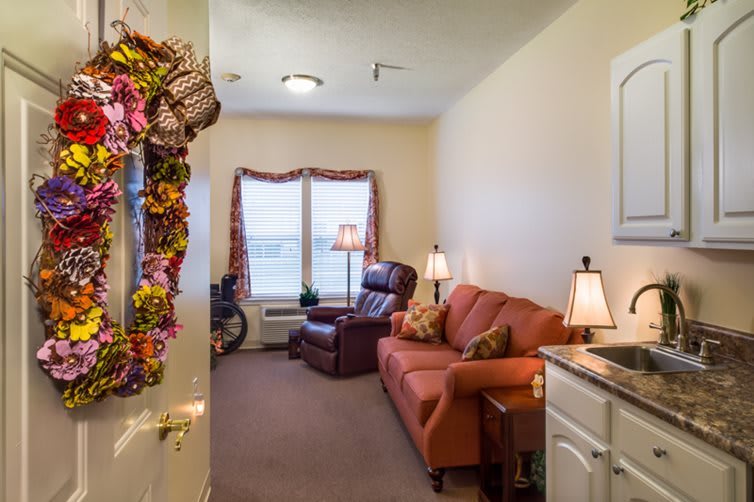
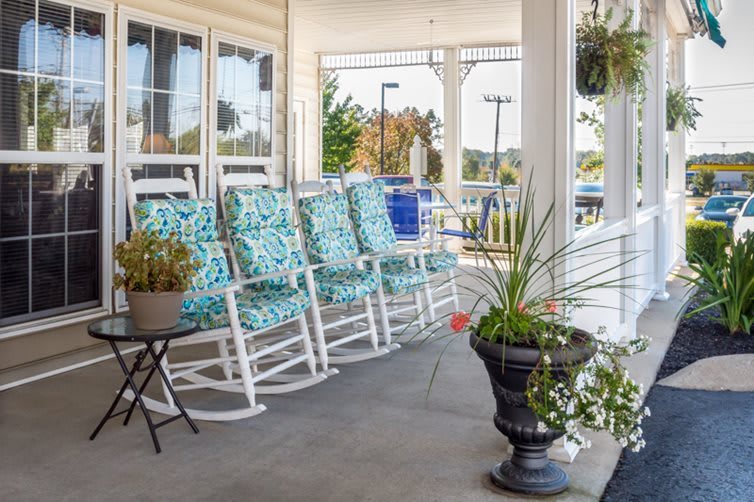
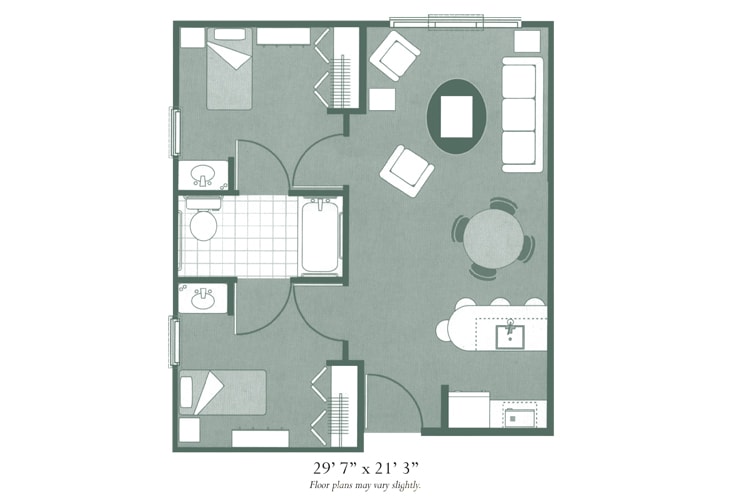
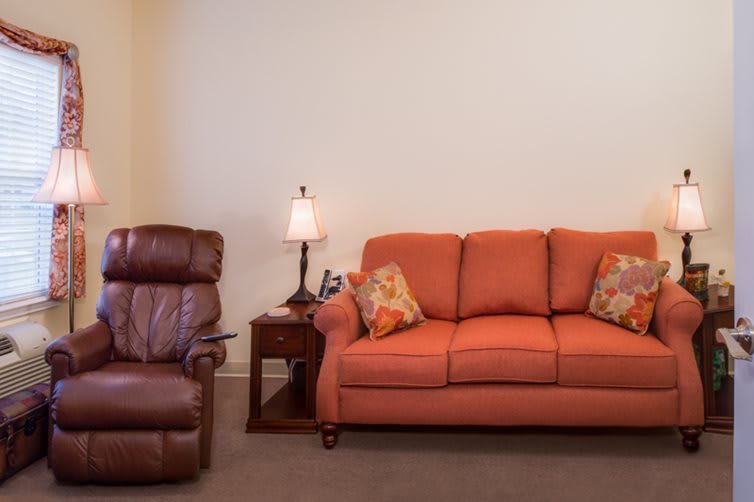
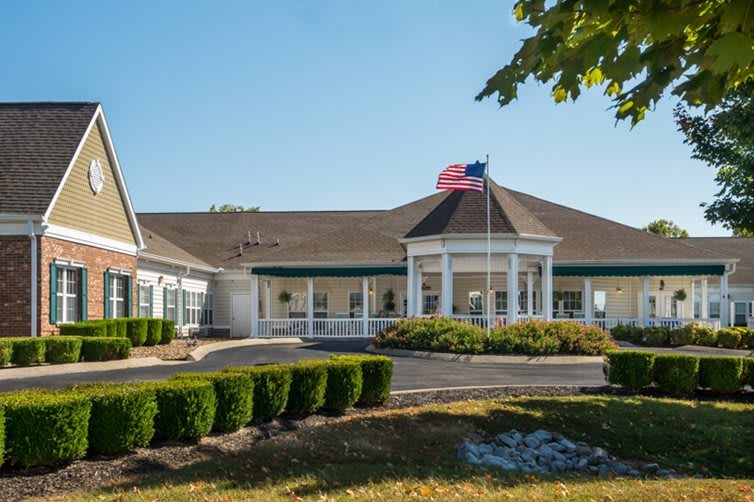
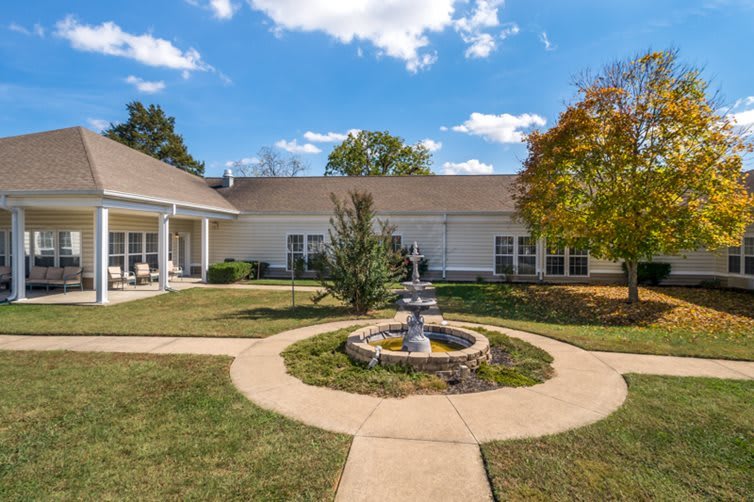
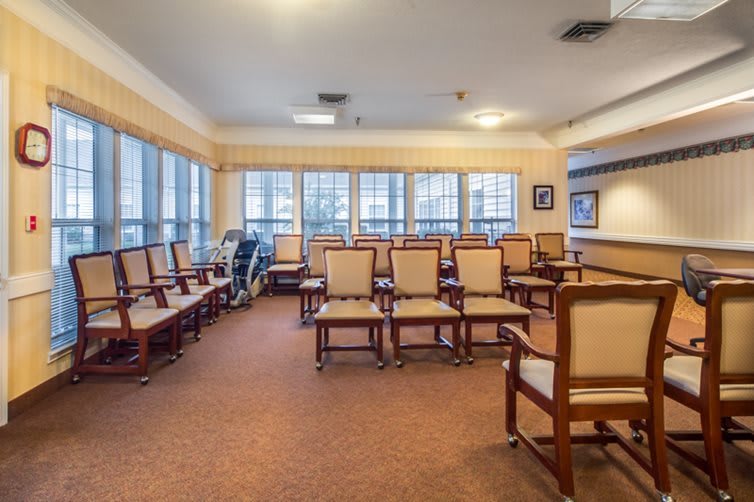
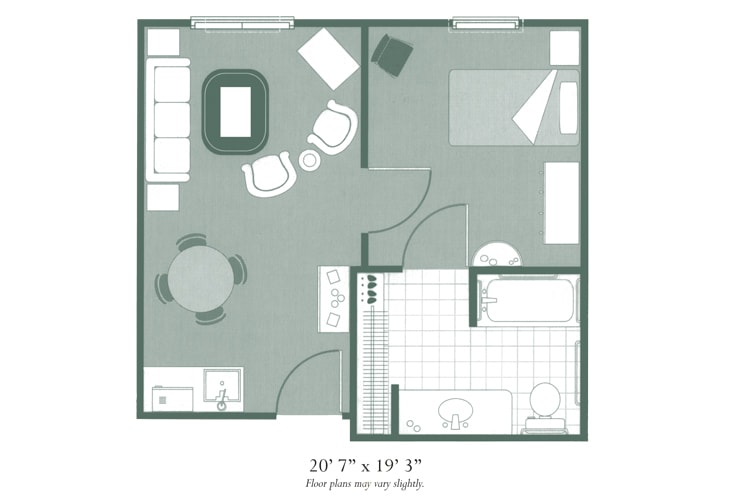
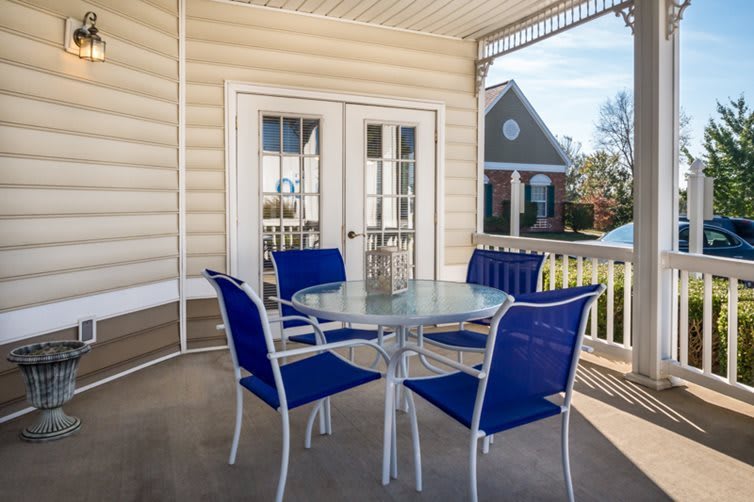
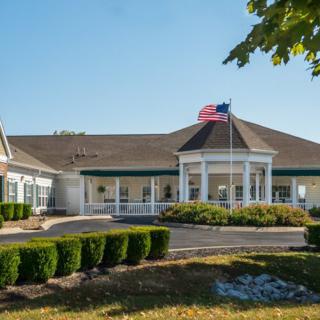
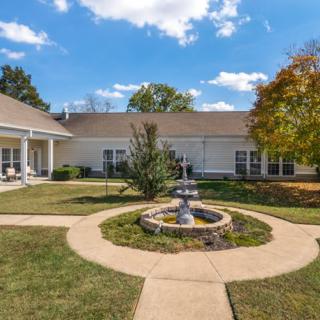
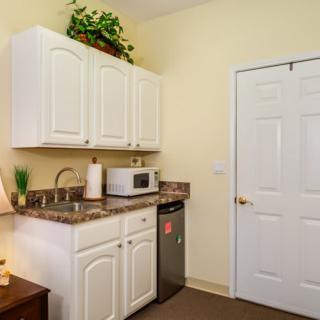
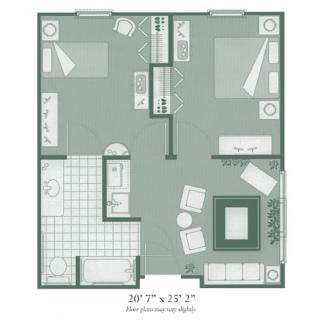
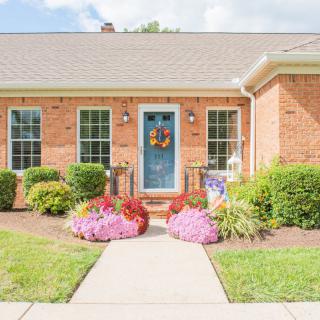
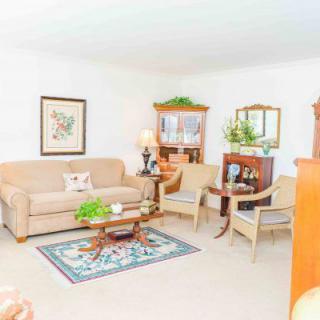
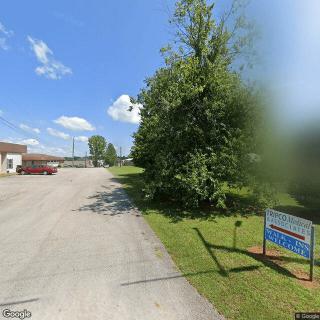
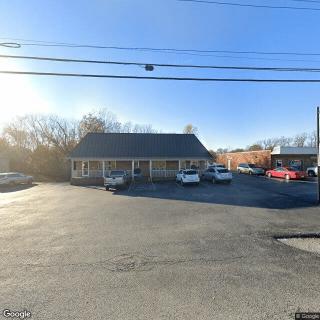
The Neighborhood at Hopkinsville on seniors.fyi includes 32 photos including images showing interior, floor plan, decor, bathroom, bedroom, dining, windows, living room, and more.
Nearby Communities
Carriage Hall Assisted Living
Hopkinsville, KY
4.5 from 24 reviews
$2,450 to $2,950 / month
Small, home-like setting with attentive staff and a clean, welcoming environment.
Western Kentucky Quality
Hopkinsville, KY
4.7 from 11 reviews
Diabetic care with on-site activities and indoor social spaces
Christian Care Communities Garden Homes
Hopkinsville, KY
5 from 2 reviews
$623 to $720 / month
Excellent maintenance, convenient noon meals, and spacious 1,400 sq ft homes amid pleasant surroundings.
Christian Health Center - Hopkinsville
Hopkinsville, KY
4 from 75 reviews
Spacious, clean rooms with a welcoming atmosphere and helpful staff.
Pennyrile Home
Hopkinsville, KY
5 from 2 reviews
Extensive on-site care and amenities (24/7 supervision, ADL assistance, medication management, transport, restaurant-style dining, fitness and wellness facilities).
Jennie Stuart Medical Ctr
Hopkinsville, KY
2.6 from 120 reviews
Convenient location with nearby healthcare access, dining options, and transportation.
Senior Helpers - Hopkinsville, KY
Hopkinsville, KY
4.6 from 37 reviews
Excellent, accommodating in-home care with friendly, reliable staff.
Arcadia Senior Living Clarksville
Clarksville, TN
4.7 from 44 reviews
$2,300 to $3,132 / month
Kind, professional staff; clean, engaging environment with safety and strong resident well-being.
Home Instead TN Clarksville
Clarksville, TN
4.5 from 87 reviews
Some caregivers provide excellent, consistent care; a wide pool of aides offers scheduling flexibility.
The VA Aid and Attendance benefit provides financial support to veterans needing assistance with daily living due to medical conditions or disabilities, augmenting standard VA pensions for services like in-home care. Eligibility is based on service duration, wartime status, income, and medical needs, with a detailed application process required to access funds for caregiving and home modifications.
Senior move management services assist older adults in the relocation process by providing emotional support and organizational help, addressing unique challenges like downsizing and moving from long-term homes. These specialists collaborate with real estate agents and manage logistics, making the transition smoother for seniors and their families.
The article examines senior housing options, detailing the distinctions between independent living and assisted living, along with the emerging "independent assisted living" model that blends both approaches. It highlights the importance of assessing individual needs, preferences, and financial factors in making informed decisions about suitable living arrangements for seniors.
Get PricingAsk A QuestionSchedule A TourContact Senior Advisor
By clicking submit, you agree to our Partner's Terms of Use. You
also consent to receive calls and texts, which may be autodialed, from our Partner. Your consent is not a condition to
using our Partner's service. Please visit our Partner's Privacy Policy for information about their privacy practices.


















 42 resident community capacity
 Assisted Living
 Cats allowed
 Dogs allowed
 Activities on-site
 Beautician on-site
 Cable or satellite TV
 Devotional services off-site
 Dining room
 Fully furnished
 Garden
 Housekeeping services
 Indoor common areas
 Kitchenette
 Move-in coordination
 Outdoor space
 Respite or short term stays offered
 Restaurant-style dining
 Small library
 Telephone
 Wi-Fi/high-speed internet available
 24-hour call system
 Ambulatory care
 Assistance with bathing
 Assistance with dressing
 Assistance with transfers
 Diabetes diet
 Incontinence care
 Medication management
 Mental wellness program
 Special dietary restrictions
 English
 Small, home-like setting with attentive staff and a clean, welcoming environment.


 An Extensive Exploration of the VA Aid and Attendance Benefit
 Senior Transition Services: Understanding Their Role, Cost, and Importance
 Exploring the Path to Senior Living: A Comprehensive Look at Independent Living and Assisted Living