
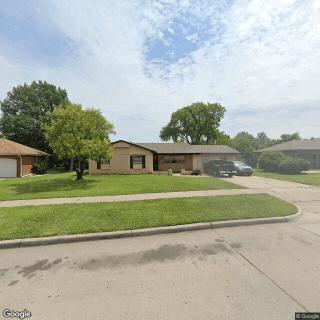
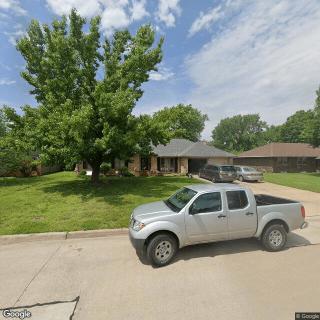
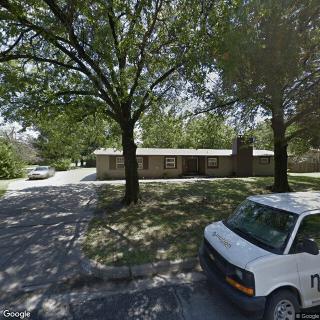
5705 East Rockhill, Wichita, KS 67208
For more information about senior living options: (866) 208-4318
Overall Review of Unified Care Home
Pros
 The aides were very nice.
- The reviewer would visit a loved one often if they cared about them.
- The reviewer appreciated the cooking smell in the entryway.
Cons
 The facility smelled of cooking at the entryway, while patients were crammed into the same room.
 - The sister required pain patches on both knees, but only one patch was present during visits.
- The sister did not receive her eye medications as prescribed.
- Initially, the sister was undressed in the bathroom alone.
- There was a noticeable odor of urine and diapers that was masked by cooking smells.
Review
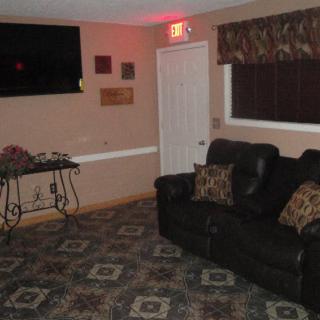
Unified Care Home in Wichita is best suited for families seeking a compact, home-like environment and prepared to stay actively involved in their loved one’s daily care. The property operates more like a small residence than a large-scale skilled-nursing complex, which can feel intimate and less institutional. This setting can be appealing for residents who do not require around-the-clock clinical monitoring and for families that can schedule frequent visits and participate in care planning. That said, the arrangement is not ideal for seniors who depend on consistent, high-touch nursing oversight, precise medication administration, and reliable, privacy-respecting care; in those cases, alternatives with stronger clinical staffing and formal protocols should be pursued.
Review observations paint a troubling picture of care gaps masquerading as a warm, home ambience. The entry carries the scent of cooking, but once beyond that welcome, residents appear crowded into shared spaces, diminishing personal privacy and dignity. Critical lapses are documented: pain patches on knees were inconsistently applied, and eye medications were not always administered as prescribed. Those care failures directly affect comfort, pain control, and eyesight safety. The most jarring moment described was seeing a sister undressed in a bathroom upon admission, a scene that raises serious questions about supervision, resident dignity, and the overall processes that should govern a skilled-nursing environment.
The few redeeming notes reference the aides as very kind and the staff’s warmth as a potential buffer against the stark realities on the floor. The home-like lay-out could support social interactions and a sense of belonging for residents who flourish in small, domestic settings. Still, these positives do not erase the underlying care vulnerabilities. The odor-cooking tactic to mask urine and diaper smells signals deeper cleanliness and sanitation gaps, and it erodes trust that the facility can provide a consistently respectful daily routine. In short, the environment may feel homier, but it comes with a cost in observed care quality and resident dignity.
For families weighing options, this facility raises a clear red flag for residents who require reliable, medication-forward nursing care, or for anyone with high expectations around privacy and safety. Alternatives with established nursing leadership, licensed medication administration oversight, and transparent care plans should be prioritized. Larger skilled-nursing centers, facilities with dedicated nursing staff on each shift, and those with routine, documented checks of medications typically deliver more predictable outcomes. If the goal is to maximize safety and minimize the risk of missed doses or unattended tasks, a switch to a facility with robust clinical governance will be prudent.
Nevertheless, the limited pros must be weighed against real risks. The kindness of aides and a homelike setting have value for social engagement and morale, but they do not compensate for missed medications, inconsistent supervision, or privacy concerns. The balance tilts decisively toward seeking alternatives when a loved one relies on regular analgesia, precise eye drops, or dignified personal care rituals. Before deciding, families should request to see a current care plan, medication administration records, and the on-site nursing schedule; tour at multiple times to observe staff interactions, and press for measurable quality indicators such as falls, medication error rates, and incident reports.
Bottom line: Unified Care Home is unlikely to meet the needs of most seniors requiring dependable skilled nursing. It may occasionally serve as a transitional or temporary fit for highly involved families who can sustain vigilant oversight, but for long-term placement the risks identified, missed meds, inconsistent supervision, and privacy compromises, outweigh any perceived comfort. Prospective residents should compare options that demonstrate consistent nursing staff coverage and rigorous medication management, and they should be prepared to move on if documentation and staffing do not reassure. In Wichita, look for facilities with stronger clinical governance and a track record of respectful, reliable care.
 6 resident community capacity
 Assisted Living
 Cable or satellite TV
 Dining room
 Fully furnished
 Garden
 Housekeeping services
 Move-in coordination
 Outdoor space
 Telephone
 Wi-Fi/high-speed internet available
 Wichita Mid-Continent (10 miles away)
 24-hour supervision
 Activities of daily living assistance
 Assistance with bathing
 Assistance with dressing
 Assistance with transfers
 Diabetes diet
 Meal preparation and service
 Medication management
 Special dietary restrictions
 Transportation arrangement (medical)
 Transportation to doctors appointments


 Comprehensive Supportive Living Arrangements for Adults with Disabilities
 Funding and Affording Assisted Living: A Thorough Overview
 Assisted Living Expenses and Long-Term Care Insurance: A Comprehensive Exploration