For more information about senior living options: (866) 208-4318
4.8 from 119 reviews
5 stars
108
4 stars
4
3 stars
2
2 stars
2
1 stars
3
Overall Review of Progressive Home Health Care
common24 reviews mention this
Caregivers are consistently compassionate
Residents and families repeatedly describe compassionate, patient, professional caregivers.
Across reviews, families emphasize that the nurses and therapists are caring, patient, and attentive to day-to-day needs. Several reviewers also mention bedside mannerā€”spending time, explaining what to expect, and making patients feel at ease. A number of comments tie the experience to emotional support, not just clinical help, especially during difficult diagnoses and recovery periods.
common10 reviews mention this
Communication and follow-through stand out
Care plans feel supported because staff communicate clearly and respond to questions.
Many reviews note that caregivers answer questions promptly, provide updates, and help families understand the process. Several people specifically mention being able to reach someone when concerns come up and describe staff checking in or getting needed information from providers. When things go well, reviewers connect that responsiveness to feeling more comfortable and confident with care at home.
common6 reviews mention this
Therapies and wound care are included
Residents describe coordinated home health services that include therapy and wound support.
Reviews describe home health visits that go beyond nursing, including OT and PT, as well as wound care support. Some reviewers mention exercises or hands-on therapy sessions and connect those efforts to improvements or better healing. Others describe wound management details like how care is handled and what to do to help wounds heal.
caveat4 reviews mention this
Care reliability can slip
Some reviews describe missed appointments, long holds, or weak communication.
While many reviewers praise the team, a smaller set report operational problems such as a nurse not arriving as expected or not calling, plus extended time on hold. One reviewer also describes confusion around what services were actually being provided and reports having to cancel after repeated concerns. Another negative review focuses on limited communication with family about day-to-day changes, especially for a person with dementia and related care needs.
common2 reviews mention this
Nearby everyday errands are close
Everyday options like pharmacy stops and restaurants are within a short drive.
The location is near common conveniences, including multiple nearby pharmacies and quick dining options. For families, that can mean easier access to everyday needs during care schedules, especially when visits and medication logistics are part of the routine.
How we summarize
Counts show how many written reviews mention each theme; a review can touch several themes, and only frequently mentioned themes are displayed.
Features
Transportation
Wichita Mid-Continent (12 miles away)
Nearby Places of Interest
Restaurants
McDonald's (0.1 miles)
Braum's (0.1 miles)
Carrabba's Italian Grill (0.3 miles)
Los Compadres Mexican Grill (0.9 miles)
City Bites (1 miles)
Jumbo's Beef N Brew (1 miles)
Twin Peaks (1.7 miles)
Physicians
Coram Specialty Infusion Pharmacy (0.2 miles)
Kalia Rachna MD - Ku Wichita Medical Practice Association (0.4 miles)
Central Plains Eye MDs (0.8 miles)
Via Christi Clinic Sleep Medicine (0.8 miles)
Abay Neuroscience Center (0.9 miles)
Cardiac Cath Lab Of Wichita (0.9 miles)
Sams Marq DDS - Marq J Sams, DMD (1 miles)
Theaters
AMC Northrock 14 (0.5 miles)
Regal Warren East (3.7 miles)
Cafes
Starbucks (0.7 miles)
Starbucks (2.4 miles)
Starbucks (2.9 miles)
Il Primo Espresso Caffe (3.8 miles)
Pharmacies
Walmart Pharmacy (0.7 miles)
Walgreens (1 miles)
Health Mart Pharmacy (1.9 miles)
Walgreens (2 miles)
Pharmacare Health Specialists (2 miles)
Target Pharmacy (2.4 miles)
Walgreens (2.9 miles)
Hospitals
Kansas Heart Hospital (0.9 miles)
Ascension Via Christi Rehabilitation Hospital (3 miles)
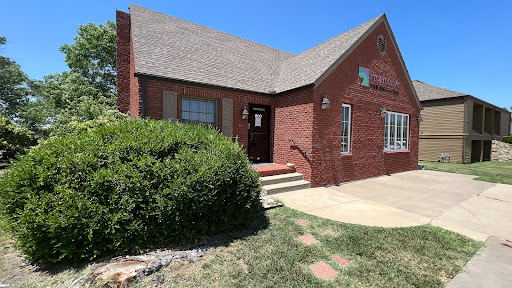
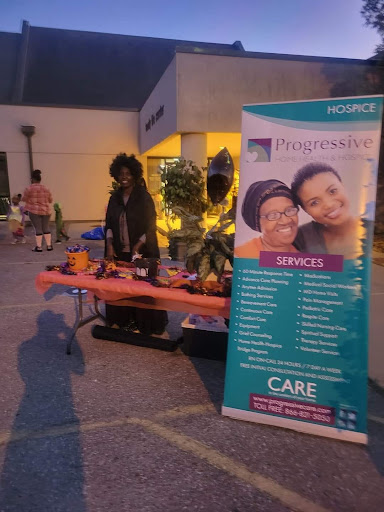
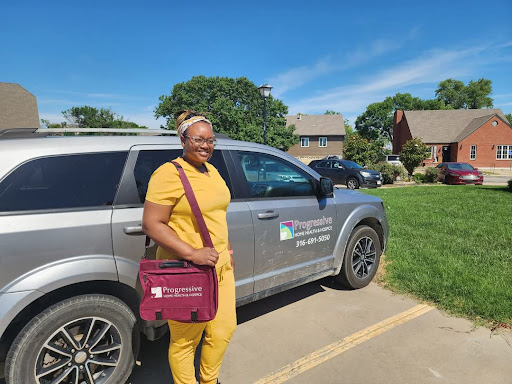
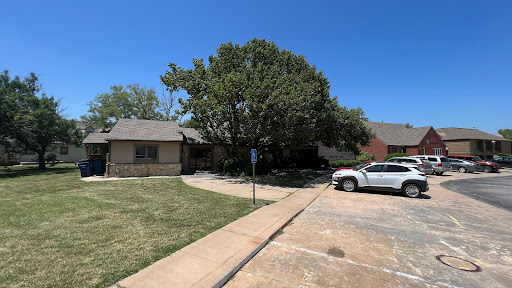
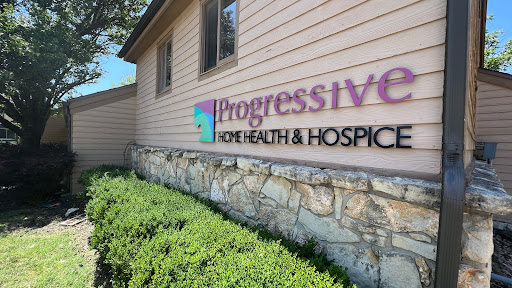
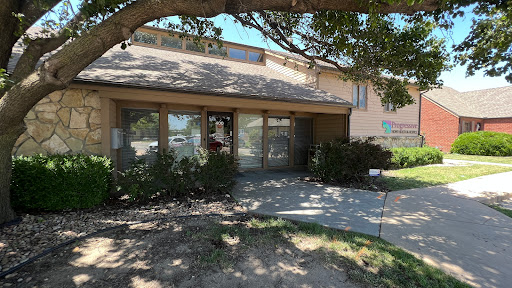
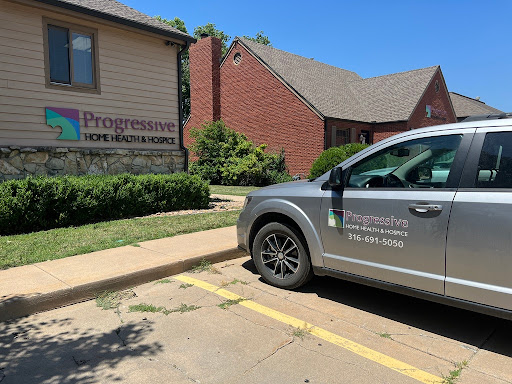
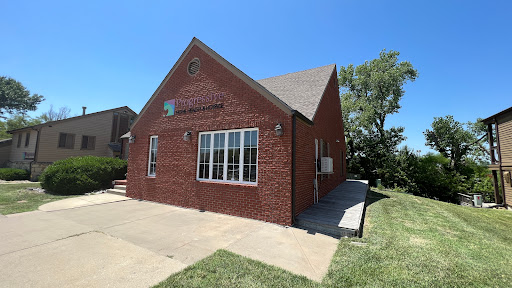
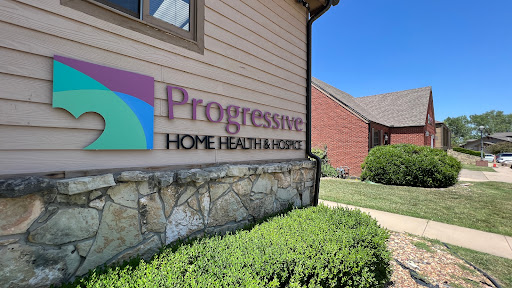
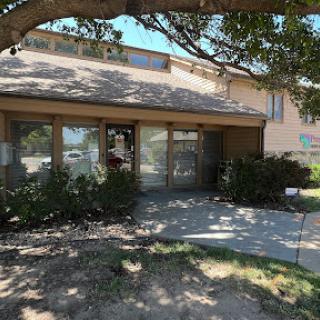
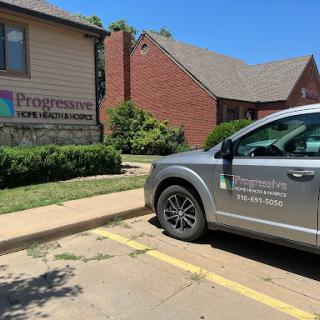
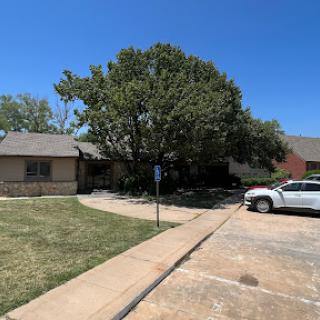
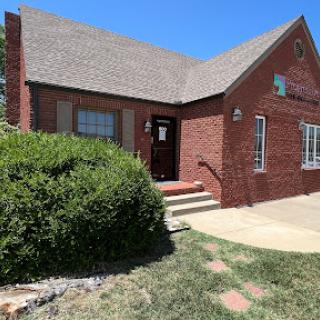
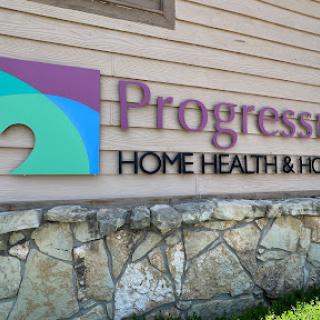
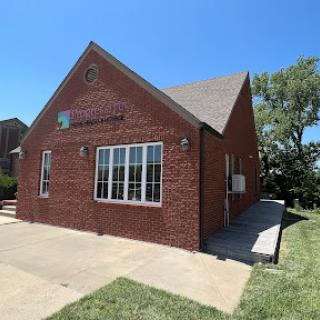
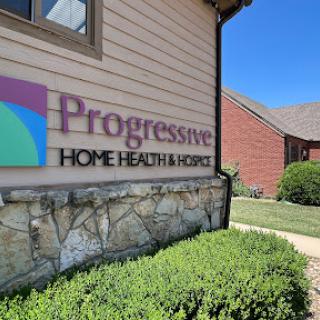
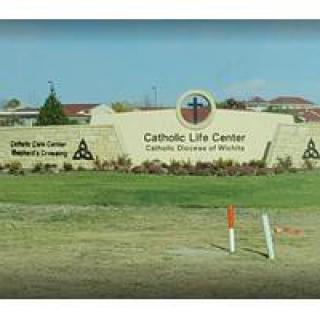
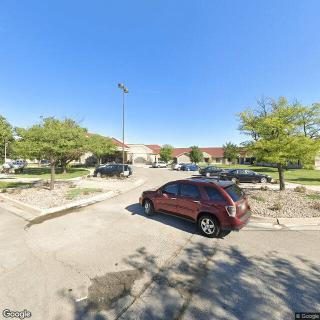
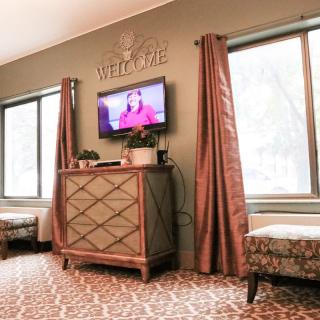
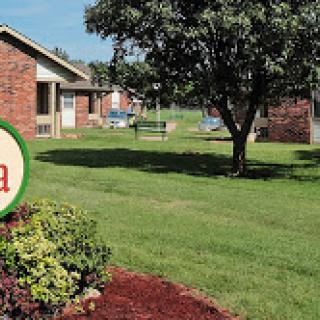
Progressive Home Health Care on seniors.fyi includes 10 photos including images showing landscaping, building, outdoor, healthcare, exterior, sidewalk, tree, entrance, and more.
Nearby Communities
Larksfield Place
Wichita, KS
4.5 from 84 reviews
$2,200 to $2,380 / month
Luxurious, spacious accommodations with abundant activities and friendly staff.
Larksfield Place Assisted Living
Wichita, KS
5 from 3 reviews
Strong amenities and care: restaurant-style dining, wellness/fitness centers, 24/7 supervision, transportation, and active social programs.
Omni Home Care
Bel Aire, KS
5 from 3 reviews
Close to healthcare, dining, and community amenities.
Golden Boomers Home Plus
Wichita, KS
4.4 from 26 reviews
All-inclusive assisted living with furnished apartments, meals, activities, and care coordination.
Catholic Care Center
N. Bel Aire, KS
3 from 56 reviews
Clean facilities, spacious apartments, friendly staff, and varied activities.
Catholic Care Community
Bel Aire, KS
3.1 from 66 reviews
$3,775 to $4,995 / month
Caring, friendly staff with engaging activities and effective rehabilitation services.
Sedgwick Plaza
Wichita, KS
4.4 from 126 reviews
$2,000 to $2,670 / month
Attentive, compassionate staff and a clean, activity-rich community.
Prairie Villa
Wichita, KS
4 from 29 reviews
Spacious, well-maintained apartments in a secure, landscaped setting with supportive on-site staff.
Homestead Estates of Wichita
Wichita, KS
4.2 from 76 reviews
$3,770 to $3,905 / month
Clean, welcoming environment with friendly, attentive staff, engaging activities, and ample on-site amenities.
Skilled nursing facilities (SNFs) provide high-level medical care and rehabilitation for short-term recovery, typically covered by Medicare after hospitalization, while nursing homes focus on ongoing custodial care for chronic conditions, mainly funded by Medicaid or private payments. The staffing and regulatory structures differ significantly between the two, necessitating clarity for families in choosing appropriate long-term care options.
Nursing home care costs in the U.S. vary significantly based on location, level of care, and amenities, with private room prices ranging from approximately $6,700 to over $30,000 monthly. Families need to explore various payment options and conduct thorough research to manage these expenses effectively.
Nonmedical home care provides assistance with daily activities and companionship for individuals wishing to maintain independence and quality of life at home, without medical intervention. Its growing popularity is driven by an aging population, the need for supportive environments for recovery, and the emotional benefits of caregiver companionship, while costs vary based on service frequency and location.
Get PricingAsk A QuestionSchedule A TourContact Senior Advisor
By clicking submit, you agree to our Partner's Terms of Use. You
also consent to receive calls and texts, which may be autodialed, from our Partner. Your consent is not a condition to
using our Partner's service. Please visit our Partner's Privacy Policy for information about their privacy practices.


 Wichita Mid-Continent (12 miles away)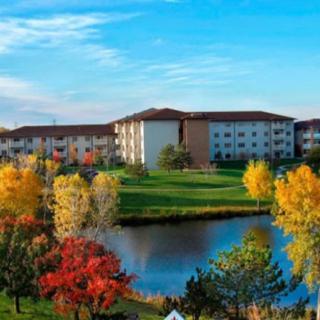
 Luxurious, spacious accommodations with abundant activities and friendly staff.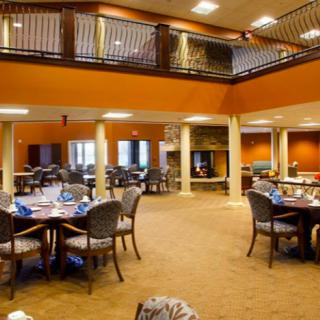

 Skilled Nursing Facilities vs. Nursing Homes: Making Sense of the Differences
 A Detailed Examination of Nursing Home Costs Across the U.S.
 Exploring Nonmedical Home Care: Understanding Services, Costs, and Financial Approaches