
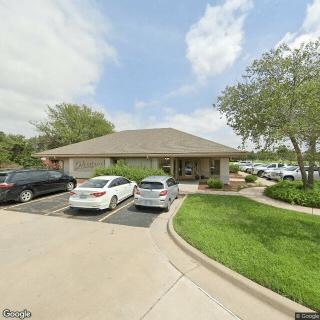
6953 East Kentford Circle, Wichita, KS 67226
For more information about senior living options: (866) 208-4318
Overall Review of Golden Boomers Home Plus
Pros
 The staff go above and beyond to ensure every resident feels valued, respected, and loved.
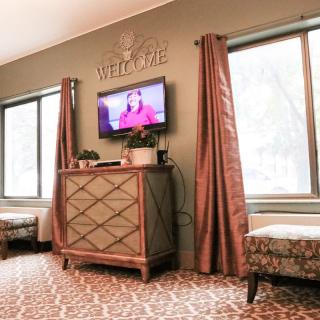
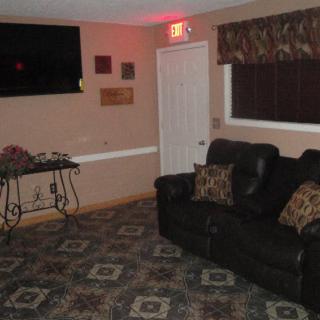
- The homes are clean, safe, and have a warm, home-like atmosphere that puts residents at ease.
- Care is personalized, top-notch, and delivered with genuine compassion.
- Management is caring, accessible, and maintains open communication with families, addressing concerns promptly.
- The staff build close, familial bonds with residents, treating them as if they were family.
- The facility offers home-cooked meals and a sincere, dedicated caregiving team.
- Golden Boomers is described as a wonderful, safe community with excellent amenities and a professional staff.
- Activities and outings are regularly organized, promoting residents' mental and physical well-being.
- Golden Boomers is repeatedly praised as the best choice for loved ones and a place where residents can thrive.
Cons
 Golden Boomers is the worst place.
- The owner is a greedy money-hungry woman who doesn’t care about the patients or the workers.
- She never can be reached when needed and her communication is horrible.
- They serve the residents old, expired food, and if there’s mold in the food they just pick around it and still serve it.
- The owner was the problem.
- She overpromised and underdelivered consistently.
- She was slow to answer questions by phone or text and was almost never present.
- Any issues were not dealt with in a timely manner and not verified by video through cameras.
Review
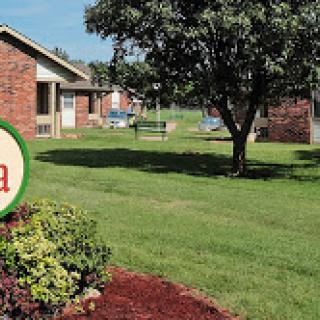
Golden Boomers Home Plus in Wichita is best suited for families seeking an intimate, home-like assisted living where care feels personal and consistently attentive. The two small-house campuses cultivate a warm, family atmosphere with on-site management and a palpable sense of community. Across reviews, the overall sentiment is that residents are valued, engaged, and well cared for, with home-cooked meals, regular activities, and a daily rhythm that resembles a welcoming household more than a clinical setting. This is a place where caregivers often form close bonds with residents, and where the environment supports meaningful social connections as a core part of daily life.
Those who should consider alternatives include families who require absolute governance clarity and rock-solid, timely communication from ownership. A notable thread in the feedback points to the owner being difficult to reach, slow to respond, or inconsistent in follow-through, with at least one reviewer alleging over-promising and under-delivering. Other red flags center on the perception of misalignment between what is promised and what is delivered, plus reports of supply gaps or food quality concerns. For families prioritizing transparent accountability, rigorous scheduling, and predictable problem-solving, exploring options with more centralized oversight or stricter governance may be prudent.
On the positive side, the strongest draw is the care culture itself. The facilities are described as clean and safe, with a genuine home-like feel and intimate bonds between staff and residents. Care plans feel personalized, and staff routinely go beyond the minimum to keep residents engaged, safe, and happy. Families repeatedly highlight the warmth, respect, and sense of belonging fostered by caregivers, along with meaningful activities and accessible management that creates a reassuring, almost family-first environment. The small-scale setting, two houses, facilitates frequent family contact and a sense of continuity in daily routines.
Yet the downsides do surface clearly in some reviews. The most concerning pattern centers on ownership and administrative responsiveness: poor communication, delayed issue resolution, and perceived dishonesty or mismanagement at the ownership level. Additional caveats include inconsistent provisioning, instances of delayed supplies or shortages, and mixed feedback on food quality, with some residents experiencing repetitive menus or food safety concerns. These elements underscore a real possibility that governance gaps can erode the otherwise warm caregiving environment, especially when fast, transparent problem-solving is needed.
Taken as a whole, the pros significantly offset the cons when leadership is engaged and responsive. Where on-site owners or managers are accessible, and where staff stability is strong, families report excellent care, deep staff-resident connections, and a sense of being truly heard. The home-like atmosphere and personalized attention often translate into higher satisfaction for both residents and their families, with a reliable cadence of activities and a welcoming community life. The key for success, then, is ensuring that governance and communication match the high caregiving standards experienced daily by residents.
For families weighing this community, the recommended course is practical and direct: visit both homes, observe resident-staff interactions, and speak with multiple staff members as well as the on-site leader(s). Ask explicit questions about how ownership communications are handled, response times, and the process for tracking and resolving issues. Request current dining menus, sourcing details, and a clear policy on supplies and daily provisioning. If governance transparency and timely, predictable communication are non-negotiable, a careful comparison with alternatives may be warranted. If those conditions can be verified, Golden Boomers Home Plus offers a compelling, heartfelt option that can feel like a true home rather than a facility.
 8 resident community capacity
 Assisted Living
 Cable or satellite TV
 Dining room
 Fully furnished
 Garden
 Housekeeping services
 Move-in coordination
 Outdoor space
 Telephone
 Wi-Fi/high-speed internet available
 Wichita Mid-Continent (11 miles away)
 24-hour supervision
 Activities of daily living assistance
 Assistance with bathing
 Assistance with dressing
 Assistance with transfers
 Diabetes diet
 Meal preparation and service
 Medication management
 Special dietary restrictions
 Transportation arrangement (medical)
 Transportation to doctors appointments




 When to Transition from Assisted Living to Memory Care: Key Indicators, Steps, and Finding the Right Community
 Assisted Living and Memory Care: Understanding Their Core Differences
 Beyond the Bingo Hall: 50+ Enriching Activities for Seniors in Assisted Living